
Choosing the right concrete isn’t just about price or availability—it’s about strength, durability, and long-term performance. One of the most common questions homeowners, builders, and contractors ask is: “What concrete PSI do I actually need?” If you’ve seen terms like 3000 PSI, 4000 PSI, or 5000 PSI and felt unsure which one applies to your project, you’re not alone.
In Edmonton’s demanding climate—where freeze-thaw cycles, heavy vehicles, and seasonal temperature swings are the norm—selecting the wrong concrete PSI can lead to cracking, premature wear, and costly repairs. This guide breaks down concrete PSI in plain language, compares 3000 vs 4000 vs 5000 PSI concrete, and helps you confidently choose the right mix for your project.
What Does PSI Mean in Concrete?
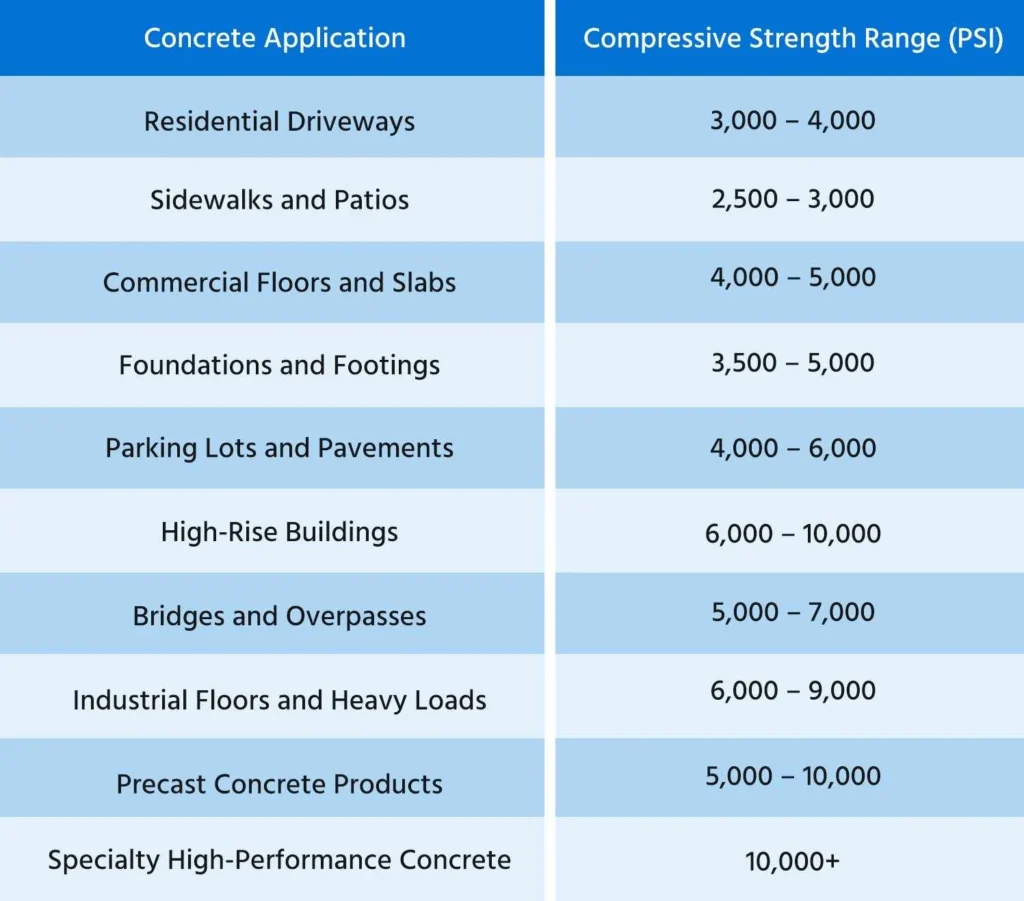
Definition of Concrete PSI
PSI stands for pounds per square inch, and in concrete, it refers to compressive strength. In simple terms, concrete PSI measures how much pressure hardened concrete can withstand before it fails. The higher the PSI number, the stronger the concrete.
For example, 4000 PSI concrete means that once fully cured, the concrete can withstand 4,000 pounds of pressure per square inch. This measurement is critical because concrete is strongest in compression, not tension.
Why PSI Matters for Durability and Safety
Concrete PSI directly affects how well your slab, driveway, or foundation performs over time. Using concrete with insufficient PSI can result in:
- Cracking under vehicle loads
- Surface scaling from freeze-thaw cycles
- Reduced lifespan and higher maintenance costs
- Structural concerns in load-bearing applications
On the other hand, selecting an appropriate PSI ensures your concrete is strong enough for its intended use—without paying extra for strength you don’t need.
How Concrete PSI Is Tested
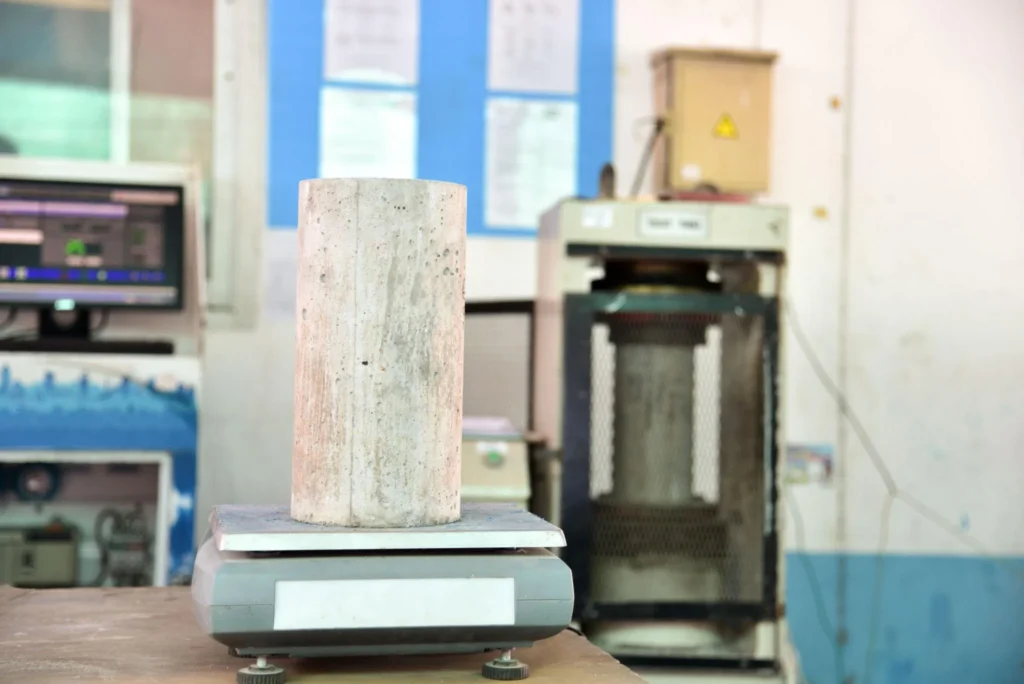
Concrete PSI is not guessed—it’s tested. During production, concrete samples are poured into cylinders and cured under controlled conditions. These samples are then tested at different intervals, most commonly:
- 7-day strength: Indicates early strength gain
- 28-day strength: Industry standard for rated PSI
According to the American Concrete Institute (ACI), most standard concrete mixes achieve approximately 65–75% of their final PSI within the first 7 days, with full strength reached around 28 days under proper curing conditions.
Key Factors That Affect Concrete PSI
Cement Content
Cement is the binding agent that gives concrete its strength. Generally, higher PSI concrete contains more cement per cubic meter. However, more cement alone does not guarantee better concrete—balance is key.
Water-to-Cement Ratio
The water-to-cement ratio is one of the most critical factors influencing PSI. Adding excess water makes concrete easier to place, but it also significantly weakens the final strength. Every additional litre of water reduces potential PSI and increases the risk of cracking.
Experienced concrete suppliers carefully control this ratio to ensure strength without sacrificing workability. Modern admixtures like plasticizers and superplasticizers allow concrete to remain workable without adding water—preserving both strength and durability. Learn more about how concrete admixtures improve performance.
Additionally, proper slump control during batching and delivery ensures your concrete arrives on site with the correct consistency and water content for optimal PSI development.
Aggregate Type and Size
Aggregates—such as gravel or crushed stone—make up roughly 60–75% of concrete by volume. The size, shape, and quality of aggregates influence:
- Compressive strength
- Durability
- Workability during placement
Well-graded aggregates contribute to higher PSI and better long-term performance.
Curing Conditions
Even the best concrete mix can underperform if it isn’t cured properly. Curing allows cement to hydrate fully, which is essential for strength development. In Edmonton, cold temperatures, wind, and low humidity can all slow or disrupt curing if not managed correctly.
For exterior concrete exposed to freeze-thaw cycles, proper curing must be combined with air entrainment to ensure long-term durability. Air-entrained concrete creates microscopic air pockets that protect against freeze-thaw damage—a critical feature for Edmonton’s climate. Without it, even high PSI concrete can deteriorate rapidly during winter months.
3000 PSI Concrete – Uses, Pros & Cons
What Is 3000 PSI Concrete?
3000 PSI concrete is commonly considered entry-level structural concrete. It provides adequate strength for light-duty residential applications where heavy loads are not expected.
Common Uses for 3000 PSI Concrete
This PSI level is typically used for:
- Residential sidewalks
- Patios and walkways
- Shed pads
- Light-use flatwork
For homeowners looking to pour a simple patio or walkway, 3000 PSI concrete can be a cost-effective and practical choice.
Advantages of 3000 PSI Concrete
- Lower cost compared to higher PSI mixes
- Easier to place and finish
- Sufficient for low-load residential projects
Limitations of 3000 PSI Concrete
While suitable for light use, 3000 PSI concrete has limitations:
- Not ideal for driveways or vehicle traffic
- Lower resistance to freeze-thaw cycles
- Shorter lifespan in harsh climates if not air-entrained
In Edmonton, using 3000 PSI concrete without proper air entrainment or base preparation can increase the risk of surface deterioration over time. For light-duty applications like patios and walkways, combining 3000 PSI with fiber mesh reinforcement can help control shrinkage cracks and improve surface durability without the need for higher-strength concrete.
4000 PSI Concrete – The Most Versatile Option
What Is 4000 PSI Concrete?
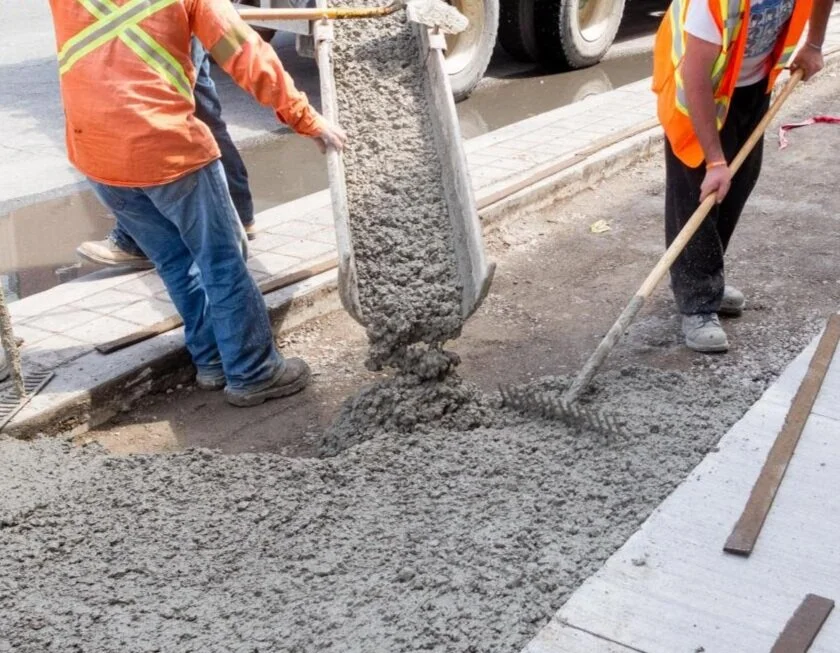
4000 PSI concrete is one of the most widely used concrete strengths for residential and light commercial projects. It offers a strong balance between cost, durability, and performance, making it a go-to choice for many contractors.
Best Uses for 4000 PSI Concrete
Common applications include:
- Residential driveways
- Garage slabs
- Basement floors
- Foundations
- Concrete steps, landings, and cribbing
For most Edmonton homes, 4000 PSI concrete provides the durability needed to handle vehicles, seasonal weather changes, and daily use.
Why 4000 PSI Is Popular in Edmonton
Edmonton’s freeze-thaw cycles place significant stress on concrete surfaces. According to industry data, concrete with higher compressive strength and proper air entrainment performs significantly better in cold climates.
4000 PSI concrete offers:
- Improved resistance to cracking
- Better freeze-thaw durability
- Longer service life for driveways and slabs
This is why many professionals recommend 4000 PSI concrete as the minimum standard for exterior flatwork in Alberta.
Cost vs Performance Balance
While 4000 PSI concrete costs slightly more than 3000 PSI, the long-term value often outweighs the initial price difference. Fewer repairs, better durability, and longer lifespan make it a smart investment for most residential projects.
Up next: In the second half of this guide, we’ll break down 5000 PSI concrete, compare all three PSI levels side-by-side, explain how Edmonton’s climate affects PSI selection, and help you avoid common mistakes when choosing concrete strength.
Not sure which PSI is right for your project? Talk to a local concrete professional who understands Edmonton conditions and can recommend the right mix for your specific needs.
5000 PSI Concrete – High-Strength Applications
What Is 5000 PSI Concrete?
5000 PSI concrete is considered high-strength concrete and is designed for applications where heavy loads, abrasion resistance, and long-term durability are critical. This type of concrete uses optimized mix designs, higher cement content, and tighter quality control to achieve superior compressive strength.
Typical Uses for 5000 PSI Concrete
Because of its strength and performance, 5000 PSI concrete is commonly used for:
- Commercial and industrial slabs
- Heavy equipment pads
- Loading docks and service yards
- Structural elements requiring higher load capacity
- High-traffic or high-impact areas
Advantages of 5000 PSI Concrete
- Exceptional compressive strength
- Superior resistance to wear and surface abrasion
- Longer service life under demanding conditions
In environments where concrete is exposed to frequent loading or mechanical stress, higher PSI concrete helps reduce cracking, spalling, and long-term deterioration.
When 5000 PSI Is Overkill
While 5000 PSI concrete offers outstanding performance, it is not always necessary. For most residential projects—such as patios, sidewalks, or standard driveways—this level of strength exceeds what is realistically required.
Higher PSI concrete also comes with:
- Increased material cost
- Reduced workability
- Greater importance on professional placement and finishing
Choosing 5000 PSI concrete should be based on actual performance needs, not the assumption that “stronger is always better.” For commercial and industrial applications requiring extreme durability and load capacity, explore our complete guide to high-strength concrete applications to determine if 5000+ PSI is the right choice for your project.
3000 vs 4000 vs 5000 PSI Concrete – Side-by-Side Comparison
Concrete PSI Comparison Table
| Concrete PSI | Typical Uses | Durability | Cost Range | Best For |
|---|---|---|---|---|
| 3000 PSI | Sidewalks, patios, walkways | Moderate | Lowest | Light residential use |
| 4000 PSI | Driveways, garages, foundations | High | Medium | Most Edmonton residential projects |
| 5000 PSI | Commercial slabs, heavy equipment pads | Very High | Highest | Heavy-duty and commercial applications |
Which PSI Should You Choose?
When selecting concrete PSI, consider the following factors:
- Load requirements: Vehicle traffic, equipment weight, and usage frequency
- Exposure: Weather, freeze-thaw cycles, moisture, and de-icing salts
- Budget: Initial cost versus long-term performance
- Longevity expectations: How long you want the concrete to last without repairs
For most homeowners in Edmonton, 4000 PSI concrete offers the best balance of strength, durability, and value.
How Edmonton’s Climate Impacts PSI Selection
Freeze-Thaw Cycles
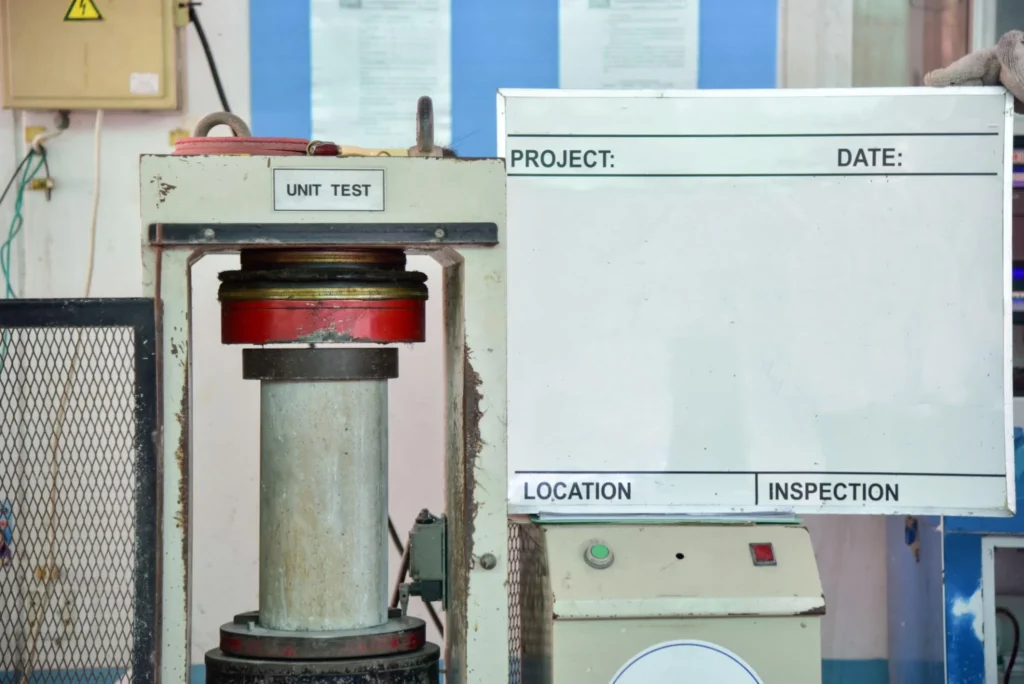
Edmonton experiences dozens of freeze-thaw cycles each year. When water enters concrete and freezes, it expands, creating internal pressure that can lead to cracking and surface scaling.
Higher PSI concrete—combined with proper air entrainment—provides improved resistance to this cycle, helping concrete last longer in Alberta’s climate.
Winter Pouring Considerations
Cold-weather concrete placement requires special planning. Lower temperatures slow hydration and strength gain, which can delay reaching target PSI.
Professional suppliers use:
- Cold-weather admixtures
- Controlled mix temperatures
- Proper curing and protection methods
Long-Term Performance in Alberta
While higher PSI concrete may cost more upfront, it often reduces long-term maintenance and replacement costs—making it a smarter investment for exterior flatwork in Edmonton.
Common Mistakes When Choosing Concrete PSI
Choosing PSI Based on Price Alone
Saving a small amount upfront by choosing lower PSI concrete can result in significantly higher repair costs later.
Adding Water on Site
Adding water to improve workability weakens concrete and reduces final PSI. This is one of the most common causes of premature concrete failure.
Ignoring Base Preparation
Even high PSI concrete can fail if placed on a poorly compacted base. Strength starts from the ground up.
Not Working With a Professional Supplier
Accurate batching, consistent mix design, and quality control are essential to achieving the desired PSI.
Why PSI Alone Isn’t Enough – Quality Matters Too
Mix Design Accuracy
Concrete strength depends on precise proportions of cement, aggregates, water, and admixtures. Professional mix design ensures consistency and reliability.
Modern Ready-Mix Equipment
Advanced batching systems help maintain uniform quality across every load—reducing variability and improving performance.
Consistency Across Loads
Consistent PSI from the first truck to the last is critical for large pours and structural integrity.
Why Choose Omega Ready Mix for Concrete in Edmonton
Local Experience You Can Trust
Omega Ready Mix understands Edmonton’s climate, soil conditions, and construction standards. That local knowledge translates into better recommendations and better concrete.
Modern Equipment and Quality Control
Using modern concrete production equipment and strict quality control processes, Omega Ready Mix delivers reliable PSI and consistent performance on every project.
Custom Concrete Solutions
From residential flatwork and driveways to cribbing and commercial pours, concrete mixes are tailored to meet the exact strength and performance requirements of your project.
Need help choosing the right PSI? The Omega Ready Mix team is ready to help you select the best concrete solution for your needs.
Frequently Asked Questions About Concrete PSI
Is 4000 PSI better than 3000 PSI for driveways?
Yes. For driveways in Edmonton, 4000 PSI concrete is generally recommended due to vehicle loads and freeze-thaw exposure.
How long does concrete take to reach full PSI strength?
Concrete typically reaches its rated PSI at 28 days, although it gains most of its strength within the first 7–14 days.
Can I walk on concrete before it reaches full PSI?
Light foot traffic is usually safe after 24–48 hours, but full strength takes several weeks.
Does higher PSI mean faster curing?
No. Higher PSI does not necessarily cure faster—it simply reaches a higher final strength when properly cured.
What PSI concrete is best for Edmonton winters?
For exterior applications, 4000 PSI air-entrained concrete is commonly the best choice for Edmonton’s climate.
The combination of adequate compressive strength and proper air entrainment provides:
- Superior freeze-thaw resistance
- Reduced surface scaling from de-icing salts
- Long-term durability under vehicle loads
Learn more about why air-entrained concrete is essential for Alberta conditions and how it protects your investment for decades.
For decorative applications like colored driveways or stamped patios, the same 4000 PSI air-entrained specification applies—with integral color pigments added during batching for consistent, fade-resistant results.
Final Thoughts – Choosing the Right Concrete PSI
Understanding concrete PSI helps you make informed decisions that protect your investment. While 3000 PSI concrete works well for light residential projects, 4000 PSI concrete is the most versatile and reliable option for most Edmonton applications. For heavy-duty or commercial use, 5000 PSI concrete delivers unmatched strength and durability.
The right PSI, combined with quality materials and professional placement, makes all the difference.
Planning a concrete project in Edmonton? Contact Omega Ready Mix today to get expert advice and a concrete solution built to last.