Concrete cracking is one of the most common concerns for homeowners, builders, and contractors in the Edmonton area. Whether you’re pouring a new driveway, garage slab, sidewalk, or interior floor, the question always comes up: how do you control cracks and improve durability? One popular solution is fiber mesh in concrete. But what exactly does it do, when should it be used, and when is it not enough on its own?
In this in-depth guide, we break down everything you need to know about fiber mesh in concrete—from how it works and the different types available, to real-world applications and best practices for Edmonton’s demanding freeze-thaw climate. This article is written from hands-on industry experience supplying ready-mix concrete to residential and commercial projects across Alberta.
What Is Fiber Mesh in Concrete?
Definition of Fiber Reinforced Concrete
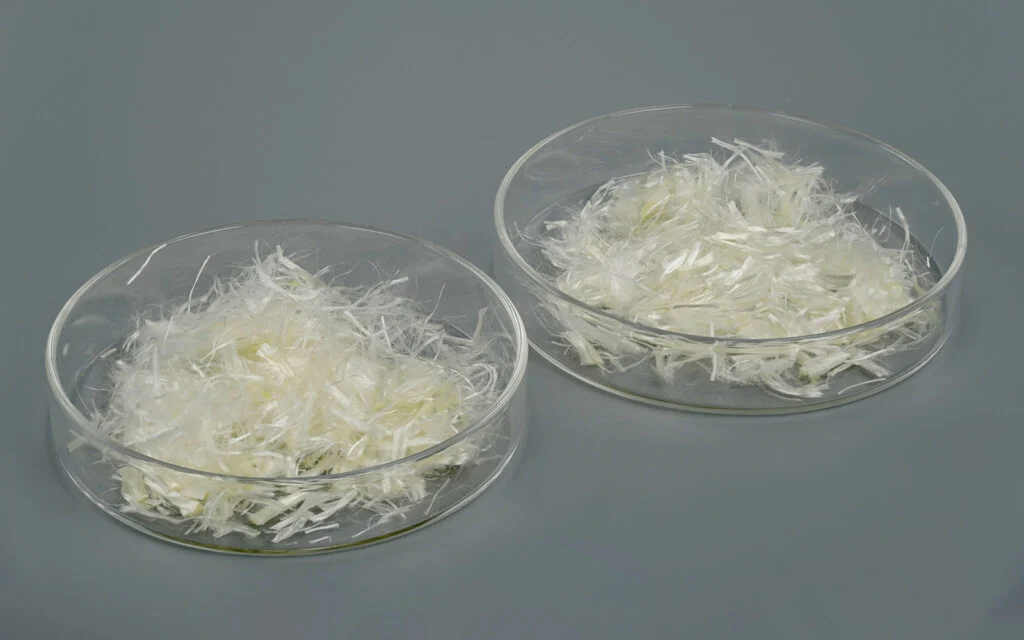
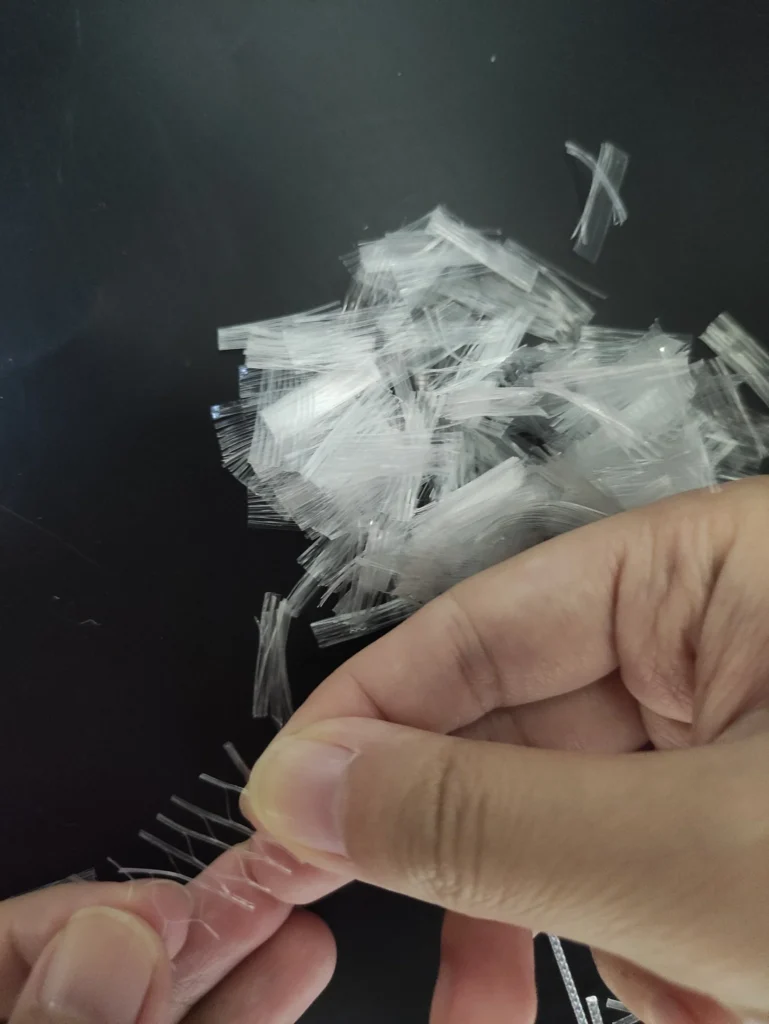
Fiber mesh in concrete refers to small, discrete fibers that are mixed directly into fresh concrete at the batch plant or on site. Once distributed throughout the mix, these fibers create a three-dimensional reinforcement network within the concrete matrix. This type of concrete is commonly called fiber reinforced concrete (FRC).
Unlike traditional reinforcement such as rebar or welded wire mesh, fiber mesh in concrete does not sit in one specific location within the slab. Instead, it is evenly dispersed throughout the entire volume of concrete, helping control early-age cracking as the concrete cures and gains strength.
It’s important to clarify an often-misunderstood point: fiber mesh is primarily used for crack control, not for increasing structural load capacity. It reduces the formation and width of shrinkage cracks, but it does not replace structural reinforcement where load-bearing performance is required.
A Brief History of Fiber Mesh Use
Fibers have been used to reinforce building materials for thousands of years—straw-reinforced clay bricks are a classic example. In modern concrete construction, fiber reinforcement became more widely adopted in the late 20th century as synthetic materials such as polypropylene became affordable, consistent, and easy to batch.
Today, fiber mesh in concrete is commonly specified for residential slabs, sidewalks, driveways, garage floors, and decorative concrete. In Edmonton, where temperature swings and freeze-thaw cycles put extra stress on concrete surfaces, fiber reinforcement has become a standard option for improving long-term performance.
Types of Fiber Mesh Used in Concrete
Synthetic (Polypropylene) Fiber Mesh
Synthetic polypropylene fibers are by far the most common type of fiber mesh used in residential and light commercial concrete. These fibers are thin, lightweight, and corrosion-resistant, making them ideal for Alberta’s moisture-heavy environment.
Polypropylene fibers work by:
- Reducing plastic shrinkage cracking during the first few hours after placement
- Limiting micro-crack formation as concrete dries and cures
- Improving surface durability and impact resistance
Because they do not rust or degrade over time, synthetic fibers are especially well-suited for exterior flatwork such as driveways, sidewalks, patios, and garage slabs.
Typical Dosage Rates
Most ready-mix suppliers add synthetic fiber mesh in concrete at a rate of approximately 0.6–1.0 kg per cubic meter of concrete, depending on the application and project requirements. Accurate dosing at the batch plant ensures consistent performance and avoids finishing issues on site.
Steel Fiber Reinforcement
Steel fibers are thicker, heavier, and significantly stronger than synthetic fibers. They are typically used in industrial or commercial applications where higher load resistance and improved post-crack performance are required.
Common uses include:
- Warehouse and industrial slabs
- Heavy-duty shop floors
- Pavements subjected to frequent vehicle traffic
While steel fibers can sometimes reduce the amount of conventional rebar needed, they are more expensive and are rarely used for standard residential concrete projects in Edmonton.
Glass and Specialty Fibers
Glass fibers and other specialty blends are used in niche applications such as GFRC (glass fiber reinforced concrete), architectural panels, and decorative features. These fibers provide high tensile strength and allow for thinner, lighter concrete elements, but they are not typically used in standard flatwork or driveways.
Why Fiber Mesh Is Used in Concrete
Shrinkage Crack Control
All concrete shrinks as it cures. This shrinkage can lead to random cracking, especially during the plastic stage when the concrete is still fresh. Fiber mesh in concrete helps control this process by bridging micro-cracks before they can grow larger.
According to industry studies, plastic shrinkage cracking can be reduced by up to 90% when synthetic fibers are properly dosed and evenly distributed. This is particularly valuable in Edmonton’s dry summer conditions, where wind and low humidity can accelerate surface moisture loss.
Improved Surface Durability
Fiber-reinforced concrete tends to have tougher, more impact-resistant surfaces. This is beneficial for garage floors, sidewalks, and driveways that are exposed to foot traffic, vehicles, and seasonal freeze-thaw cycles.
By limiting micro-cracks, fiber mesh in concrete also helps reduce surface scaling and spalling over time—two common issues in northern climates where de-icing salts are frequently used.
Even Reinforcement Distribution
One of the biggest advantages of fiber mesh in concrete is uniform reinforcement. Traditional wire mesh can end up lying too low in the slab if not properly supported, reducing its effectiveness. Fiber mesh, on the other hand, reinforces the entire concrete mass from top to bottom.
This consistent distribution is especially useful for thin slabs and residential flatwork where precise placement of wire mesh can be difficult and time-consuming.
Fiber Mesh vs Rebar vs Wire Mesh
Key Differences Explained
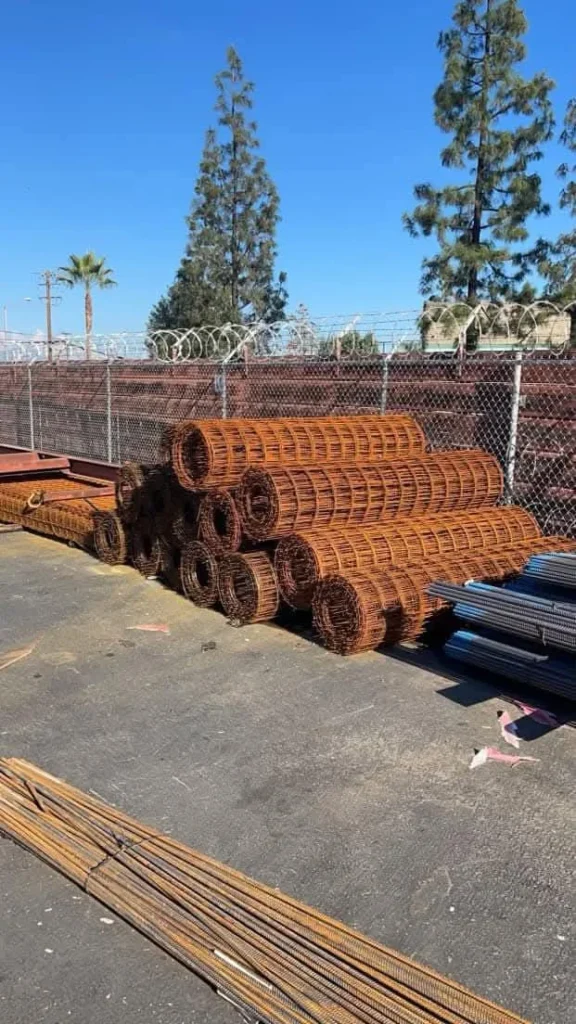
Choosing the right reinforcement method depends on the purpose of the slab. Fiber mesh, rebar, and wire mesh all serve different roles:
| Reinforcement Type | Main Purpose | Best Use Case |
|---|---|---|
| Fiber Mesh | Crack control | Driveways, sidewalks, garage slabs |
| Wire Mesh | Crack control (limited) | Light residential slabs |
| Rebar | Structural strength | Footings, foundations, load-bearing slabs |
Fiber mesh in concrete is not a structural replacement for rebar. Instead, it complements proper slab design by controlling shrinkage and improving surface performance.
Can Fiber Mesh Replace Rebar?
In most residential flatwork applications, fiber mesh in concrete can replace wire mesh, but it cannot replace rebar in structural elements. For example, a driveway or garage slab may use fiber mesh alone, while a thickened edge or footing will still require rebar to meet code and engineering requirements. The concrete mix should also meet appropriate PSI strength ratings based on the application and load requirements.
Best practice often involves combining reinforcement methods—using rebar where strength is needed and fiber mesh in concrete throughout the concrete for crack control and durability.
When Fiber Mesh in Concrete Is the Right Choice
Residential Concrete Flatwork
Fiber mesh in concrete is an excellent choice for most residential flatwork projects in the Edmonton area. These include concrete driveways, sidewalks, garage slabs, basement floors, and patios. In these applications, the primary concern is controlling shrinkage cracks rather than supporting heavy structural loads.
For example, a standard residential driveway experiences daily temperature changes, vehicle traffic, and exposure to moisture and de-icing salts. Fiber mesh in concrete helps minimize early cracking and improves surface durability, which directly contributes to a longer-lasting driveway with fewer visible defects.
Decorative Concrete Applications
Fiber mesh in concrete is commonly used in decorative concrete finishes such as broom-finished slabs, exposed aggregate, and stamped concrete. Because decorative surfaces are highly visible, even small cracks can detract from appearance.
By controlling micro-cracking, fiber mesh in concrete helps preserve the visual quality of decorative concrete. This is especially important for homeowners investing in premium finishes where aesthetics matter just as much as performance.
Edmonton Climate Considerations
Edmonton’s climate presents unique challenges for concrete. Large temperature swings, freeze-thaw cycles, and dry summer winds all increase the risk of cracking. Fiber mesh provides added insurance during the critical early curing period when concrete is most vulnerable.
While fiber mesh alone will not prevent freeze-thaw damage caused by improper air entrainment or poor curing, it plays a valuable role in a well-designed concrete mix tailored to local conditions.
When Fiber Mesh Is Not Enough
Structural Slabs and Load-Bearing Applications
Fiber mesh in concrete should not be relied on as the sole reinforcement for structural elements. Footings, foundations, grade beams, and load-bearing slabs require rebar designed according to engineering specifications and local building codes.
In these cases, fiber mesh may still be added to the concrete mix as a secondary reinforcement to control shrinkage cracking, but it does not replace steel reinforcement designed to carry loads.
Heavy Equipment and Commercial Loads
Areas subjected to heavy trucks, equipment, or high point loads—such as industrial yards or commercial loading zones—typically require engineered reinforcement solutions. These often include rebar, thickened slabs, or steel fibers designed for high-performance applications.
Best Practice: Combining Fiber Mesh and Rebar
In many projects, the best solution is a hybrid approach. Rebar provides structural strength where required, while fiber mesh enhances crack control throughout the slab. This combination delivers both durability and code-compliant performance.
How Fiber Mesh Is Added to Ready-Mix Concrete
Batching at the Concrete Plant
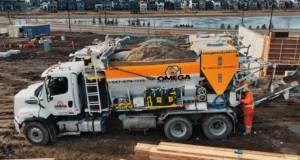
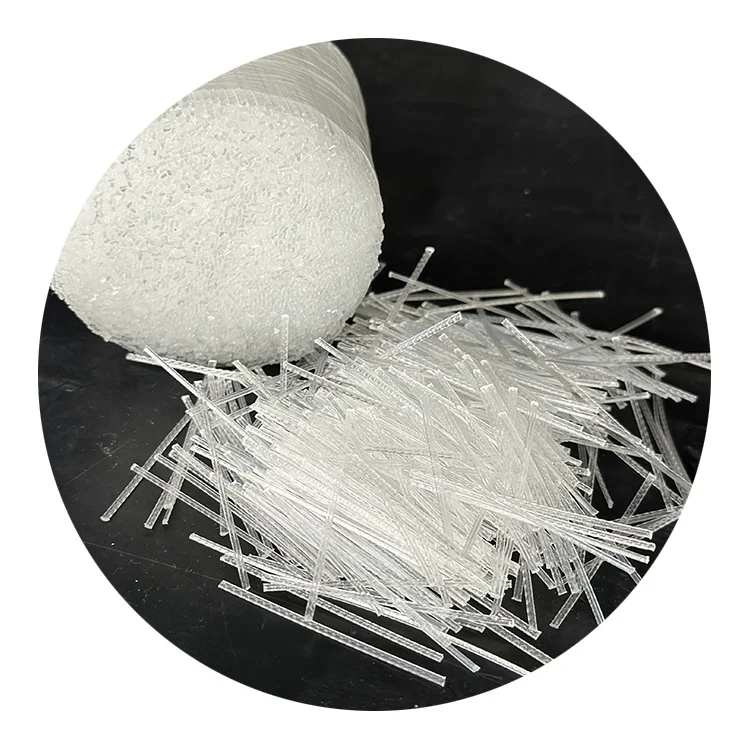
For consistent results, fiber mesh is typically added at the concrete batch plant. This ensures precise dosing and even distribution throughout the mix. Modern batching systems allow suppliers to control fiber content accurately, eliminating guesswork on site. Custom-mixed concrete with fiber reinforcement can be precisely tailored to your project’s specific requirements.
On-Site Mixing vs Central Mix
Whether using central-mix trucks or volumetric mixers, proper mixing time is essential to fully disperse fibers. Poor mixing can lead to clumping, which reduces effectiveness and complicates finishing.
Finishing Considerations
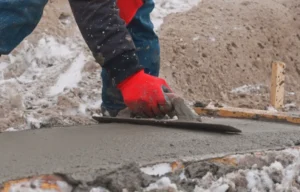
When placed and finished correctly, fiber mesh in concrete should not be visible on the surface. Occasional “fiber hairing” can occur, but experienced finishers know how to minimize this through proper timing, floating, and troweling techniques.
Cost of Fiber Mesh in Concrete (Edmonton Perspective)
Typical Cost Per Cubic Meter
The added cost of fiber mesh is relatively modest compared to the overall cost of concrete. In most residential applications, fiber mesh adds only a small amount per cubic meter, making it a cost-effective upgrade for crack control.
Labor and Time Savings
Because fiber mesh is mixed directly into the concrete, it eliminates the need to place and tie wire mesh on site. This reduces labor time and minimizes the risk of reinforcement being improperly positioned during the pour.
Long-Term Value
By reducing early cracking and improving surface durability, fiber mesh can lower long-term maintenance and repair costs. For homeowners, this translates into better value and peace of mind.
Real-World Applications from Edmonton Projects
Residential Driveway Example
A typical Edmonton driveway poured with fiber-reinforced concrete benefits from reduced plastic shrinkage cracking during hot, dry summer pours. Homeowners often notice fewer surface imperfections and better long-term performance compared to non-reinforced slabs.
Garage Slab Case Study
Garage slabs frequently combine fiber mesh with rebar at thickened edges. This approach provides crack control across the slab while ensuring structural support where vehicles enter and exit.
Small Commercial Flatwork
For light commercial projects such as walkways and service pads, fiber mesh offers a practical balance between performance and cost, especially when speed and efficiency are priorities.
Common Myths About Fiber Mesh
“Fiber Mesh Makes Concrete Structural”
This is one of the most common misconceptions. Fiber mesh improves crack control and toughness, but it does not replace engineered steel reinforcement in structural applications.
“Fibers Always Stick Out of the Surface”
When concrete is properly mixed and finished, fiber mesh should not be visible. Surface issues are usually the result of improper finishing techniques rather than the fibers themselves.
“Fiber Mesh Is a Cheap Shortcut”
When specified correctly, fiber mesh is a professional-grade solution supported by decades of research and field use. Problems arise only when it is used incorrectly or as a substitute for required structural reinforcement.
Building Code and Best Practices in Alberta
General Code Guidance
Alberta building codes focus on structural performance rather than specific reinforcement products. Engineers and inspectors typically require rebar for structural elements, while fiber mesh is accepted as a crack-control measure in non-structural slabs.
Following Engineer Specifications
If a project includes engineered drawings, those specifications always take priority. Fiber mesh should be viewed as a complement—not a replacement—to code-compliant reinforcement.
Frequently Asked Questions About Fiber Mesh in Concrete
Does fiber mesh prevent cracks completely?
No concrete is completely crack-free. Fiber mesh significantly reduces the number and size of shrinkage cracks, but it does not eliminate cracking entirely.
Can I use fiber mesh for my driveway?
Yes. Fiber mesh is commonly used in residential driveways and performs well when combined with proper base preparation, jointing, and curing.
Is fiber mesh better than wire mesh?
For many residential applications, fiber mesh offers more consistent crack control than wire mesh because it is evenly distributed throughout the slab.
Can fiber mesh and rebar be used together?
Absolutely. This combination is often the best solution, providing both structural strength and improved crack control.
Final Thoughts: Is Fiber Mesh Right for Your Project?
Fiber mesh in concrete is a proven, cost-effective way to improve crack control and surface durability—especially for residential and light commercial flatwork in Edmonton. While it does not replace rebar in structural applications, it plays an important role in modern concrete mix design.
Choosing the right reinforcement starts with understanding your project requirements and working with experienced concrete professionals who know local conditions.
Planning a concrete project in the Edmonton area? Speak with a knowledgeable concrete supplier to ensure your mix design—including fiber mesh, air entrainment, and strength—is tailored to your specific needs. The right concrete, delivered at the right time, makes all the difference.