

Self Consolidating Concrete Calgary
High-performance SCC that flows into place and consolidates without vibration. Cost-effective, time-saving, and delivers superior surface finish with the strength of conventional concrete — without extra water or segregation issues.
SCC vs Traditional Concrete
See why Self Consolidating Concrete is the smart choice for complex projects.
Traditional Concrete
Conventional placement method
- Requires mechanical vibration for consolidation
- Additional labor for vibration equipment
- Risk of honeycombing and voids
- Difficulty in congested reinforcement areas
- Noisy jobsite from vibration equipment
- Surface finish depends on vibration quality
- Slower placement in complex forms
Self Consolidating Concrete
High-performance solution
- Consolidates under its own weight automatically
- Reduced labor costs — no vibration crews
- Excellent void resistance and density
- Flows around congested rebar effortlessly
- Quieter, safer work environment
- 50%+ faster placement possible
- Consistent Class A surface finish
Benefits of Self Consolidating Concrete
Cost-effective and time-saving for a wide variety of applications.
Cost-Effective
Reduced labor costs with no vibration equipment or crews needed.
Time-Saving
Faster placement with 50%+ reduction in pour times.
Superior Finish
Consistent Class A surface finish without bug holes.
No Segregation
Maintains homogeneity without water addition.
Complex Forms
Fills intricate shapes and tight spaces completely.
Congested Rebar
Flows around dense reinforcement without voids.
Quieter Jobsite
No noisy vibration equipment needed.
High Strength
Same or better strength as conventional concrete.
SCC Applications
Ideal for projects where conventional concrete placement is challenging.
Architectural Concrete
Exposed concrete walls, columns, and features requiring Class A finish without surface defects.
Congested Reinforcement
Areas with dense rebar, post-tensioning cables, or embedded items where vibration is difficult.
Precast Elements
Precast panels, beams, and architectural elements requiring consistent quality and finish.
Complex Formwork
Intricate shapes, tight corners, and forms where mechanical vibration access is limited.
Bridge & Infrastructure
Bridge decks, piers, and infrastructure elements with complex geometry or heavy reinforcement.
High-Rise Construction
Columns, walls, and core elements in tall buildings where pump placement is essential.
SCC Specifications
High-performance properties designed for demanding applications.
Simple 4-Step Process
From order to perfect SCC placement — efficient and hassle-free.
Consultation
Discuss project requirements, specifications, and placement conditions.
Mix Design
Custom SCC formulation tailored to your specific application needs.
Quality Testing
Slump flow, T50, and segregation tests ensure proper flow characteristics.
Placement
Self-consolidating pour without vibration for perfect results.
SCC Project Gallery
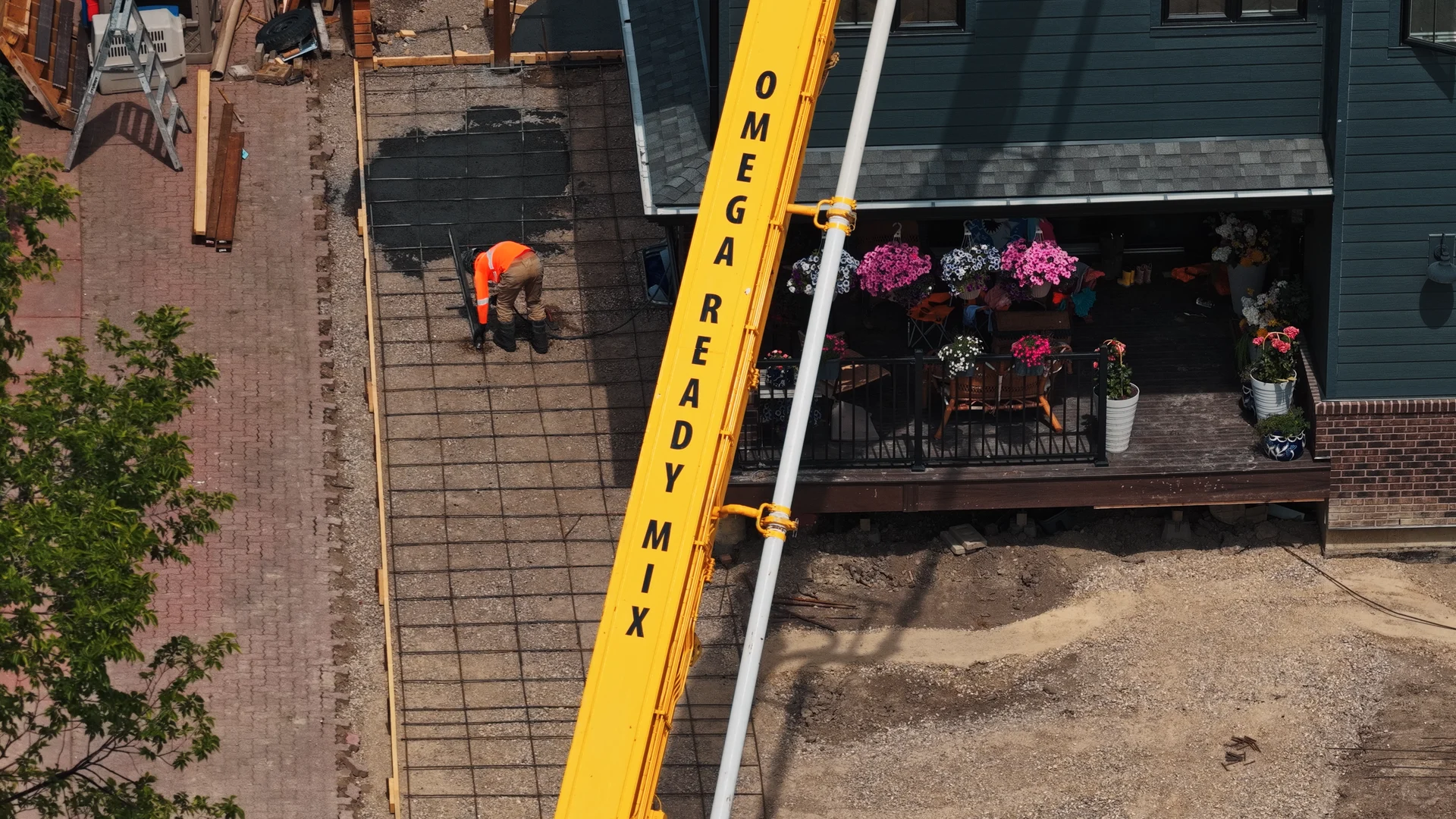
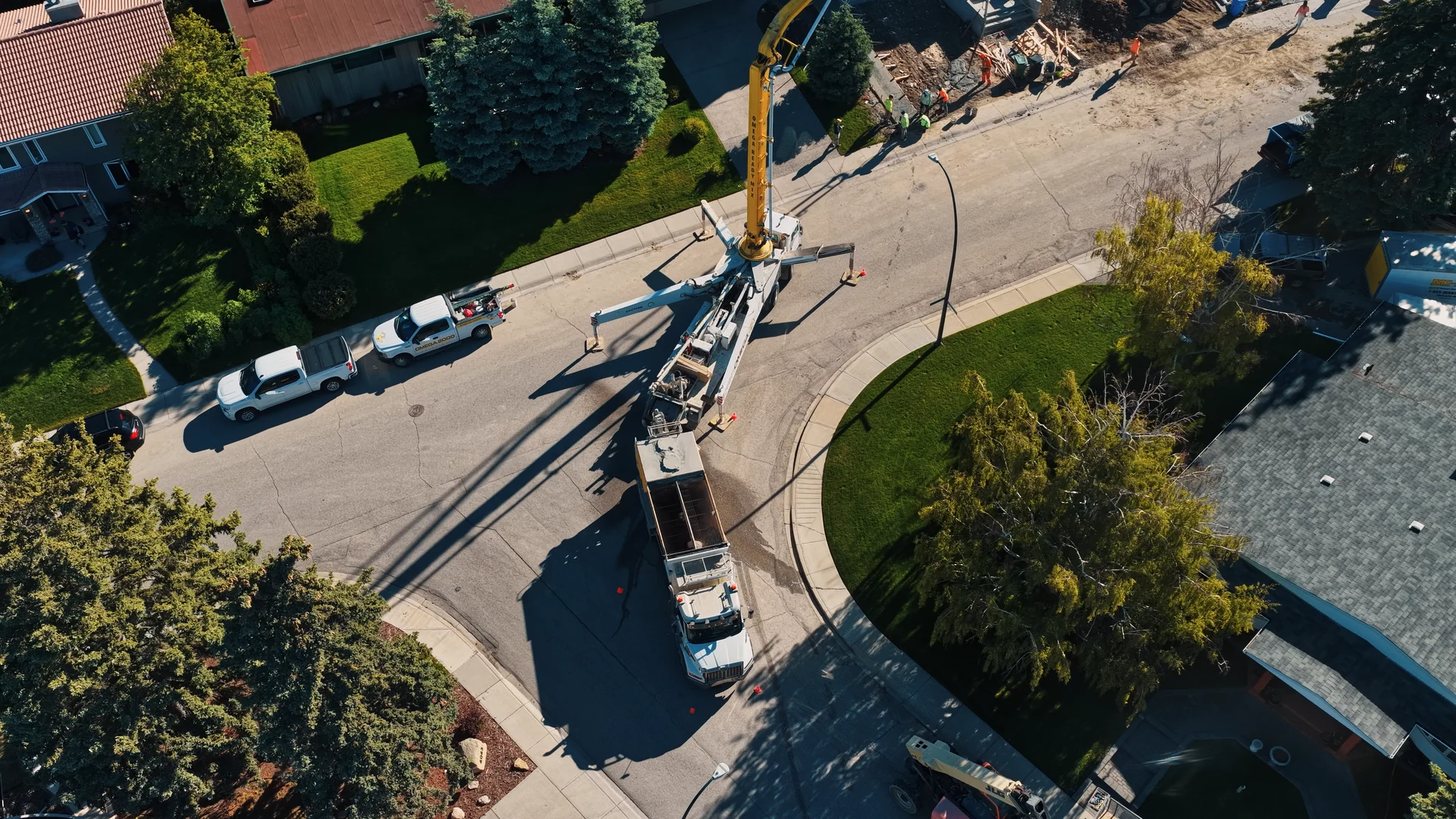
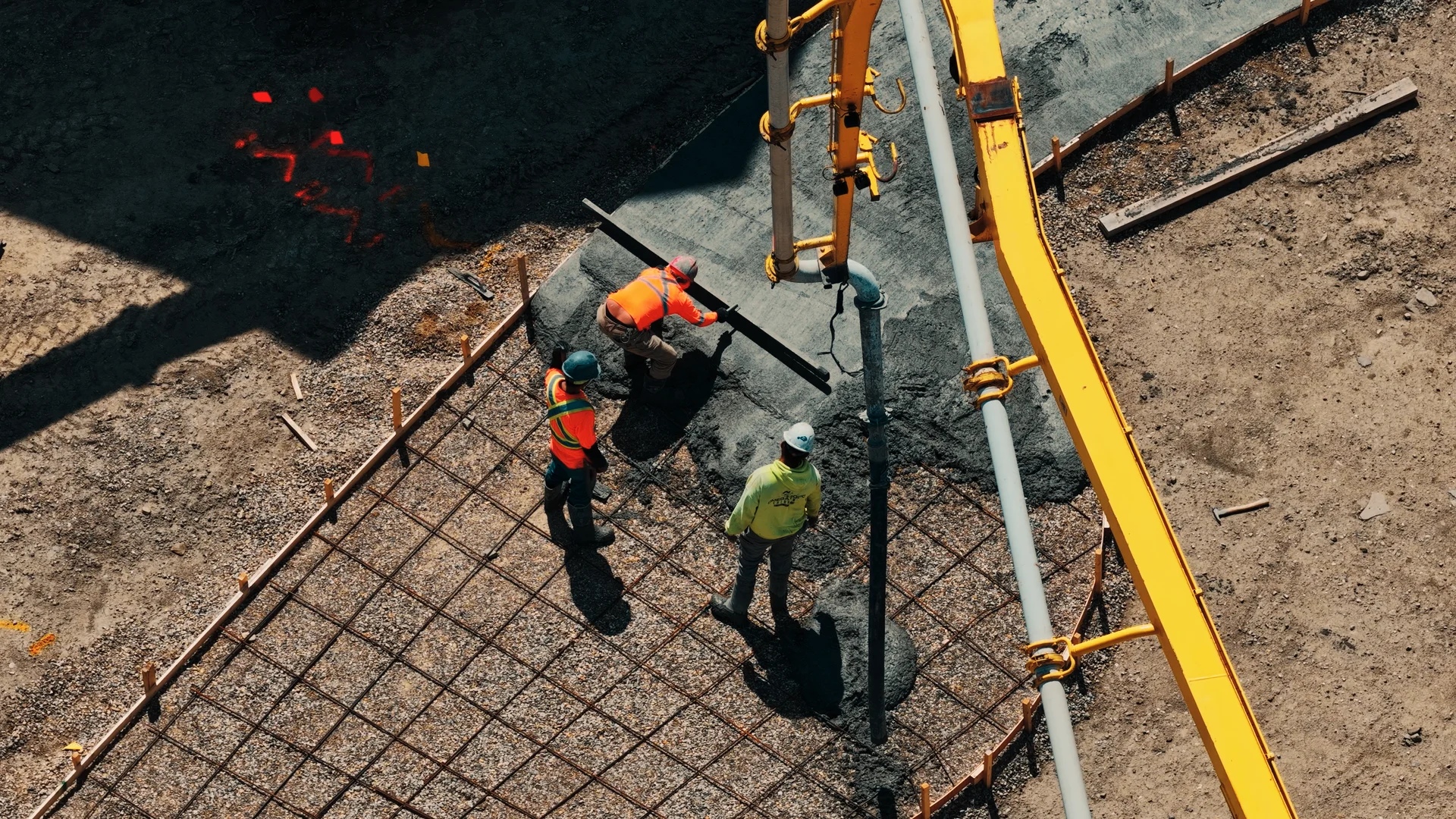
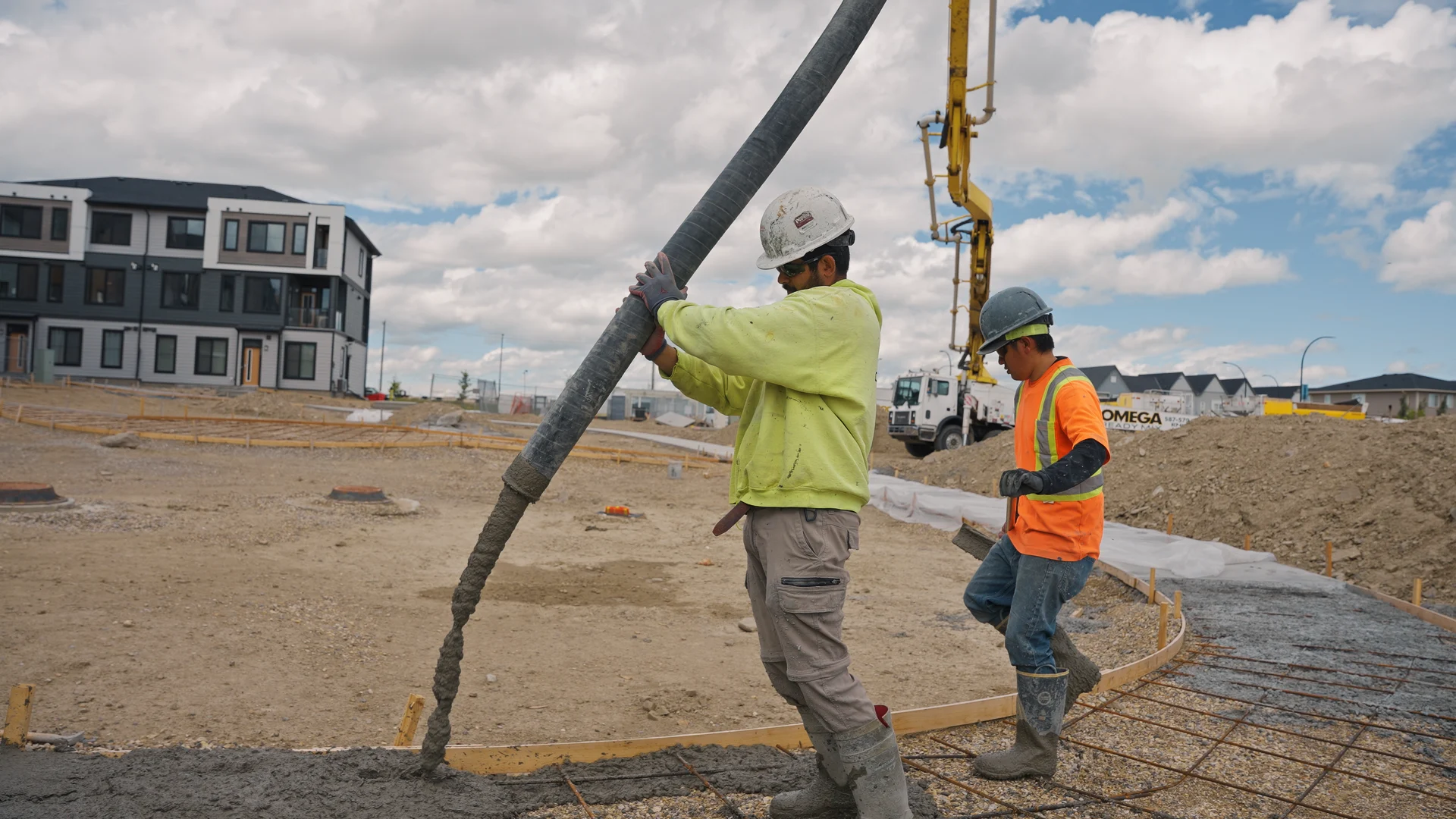
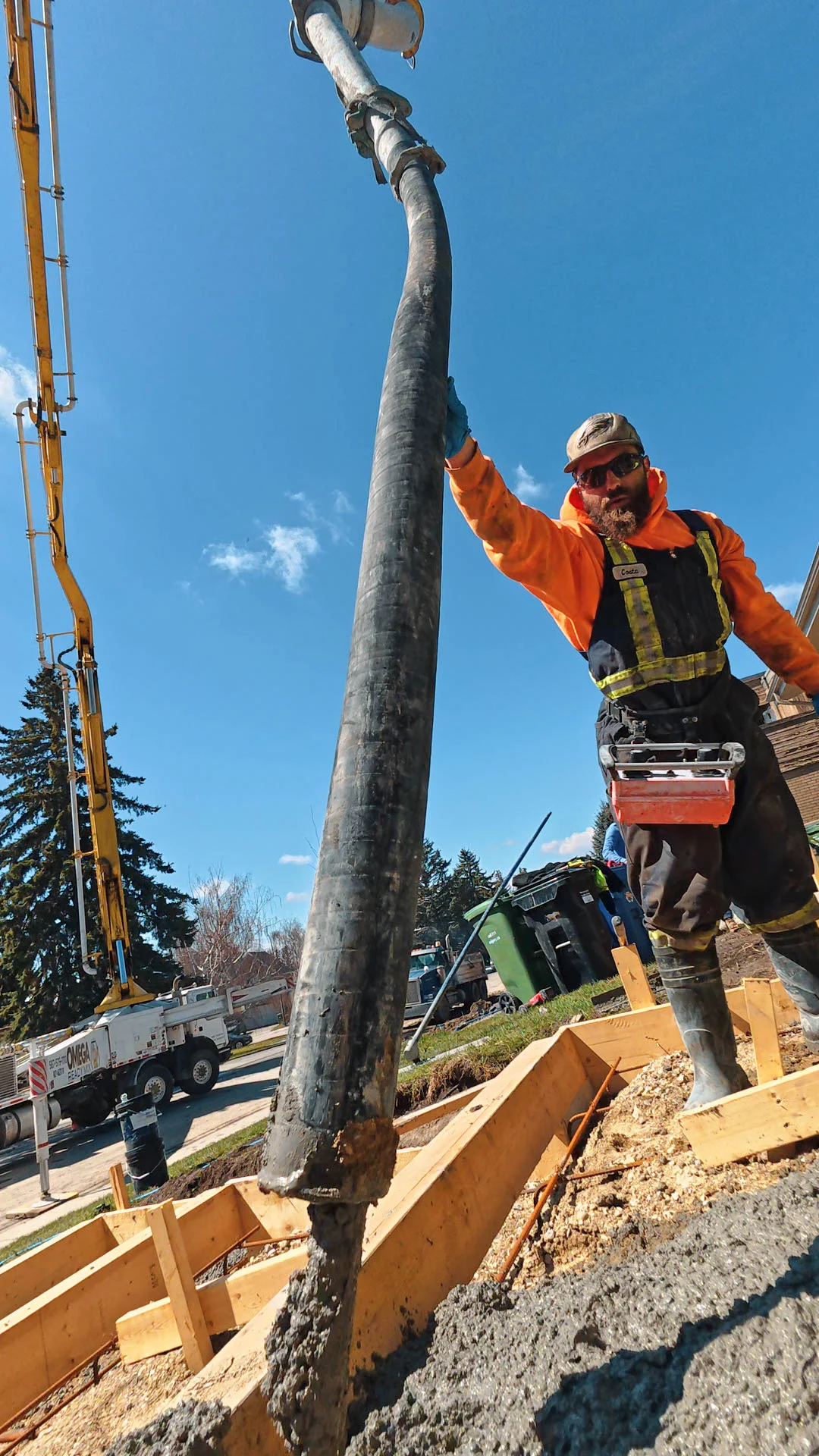
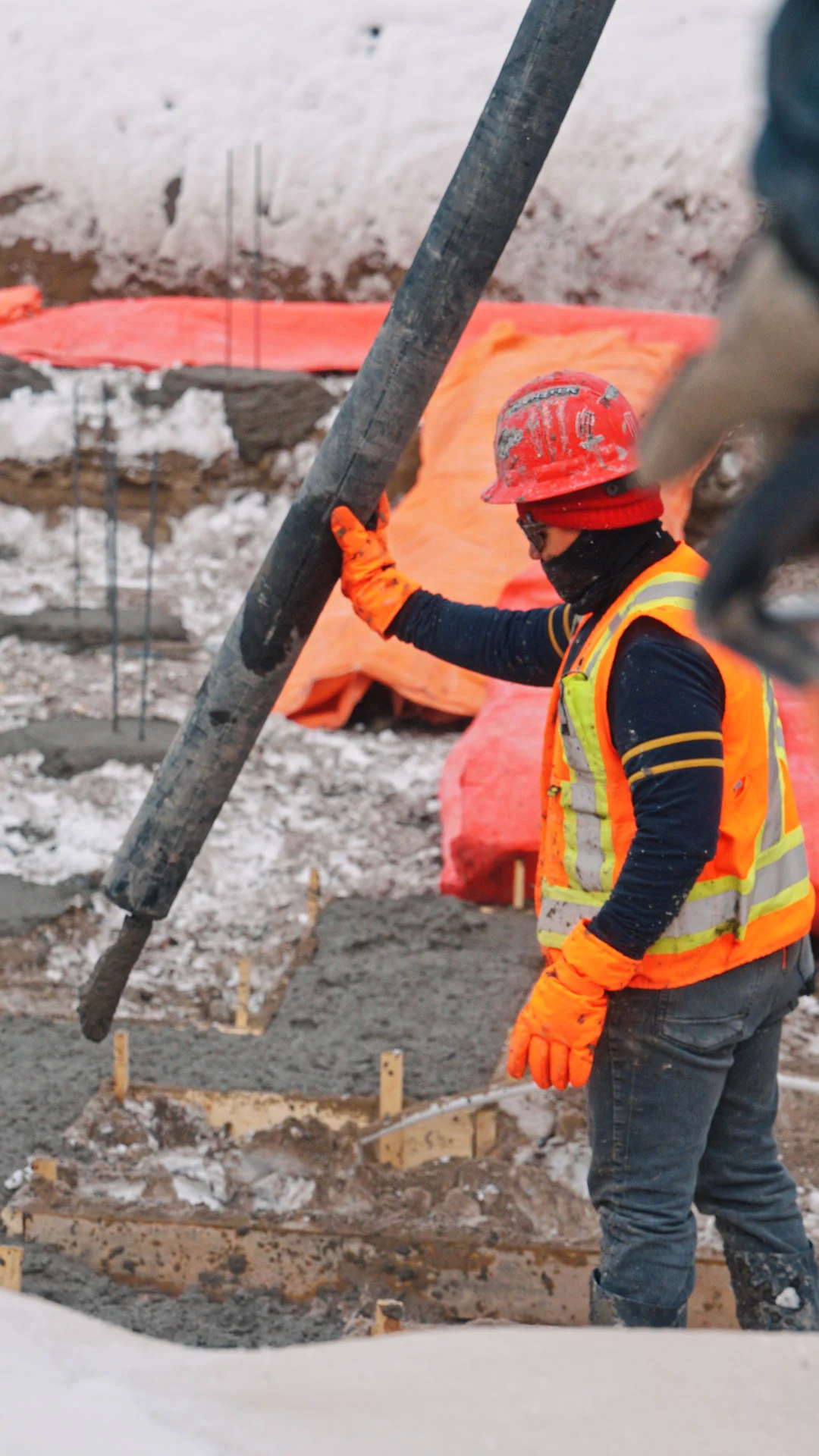
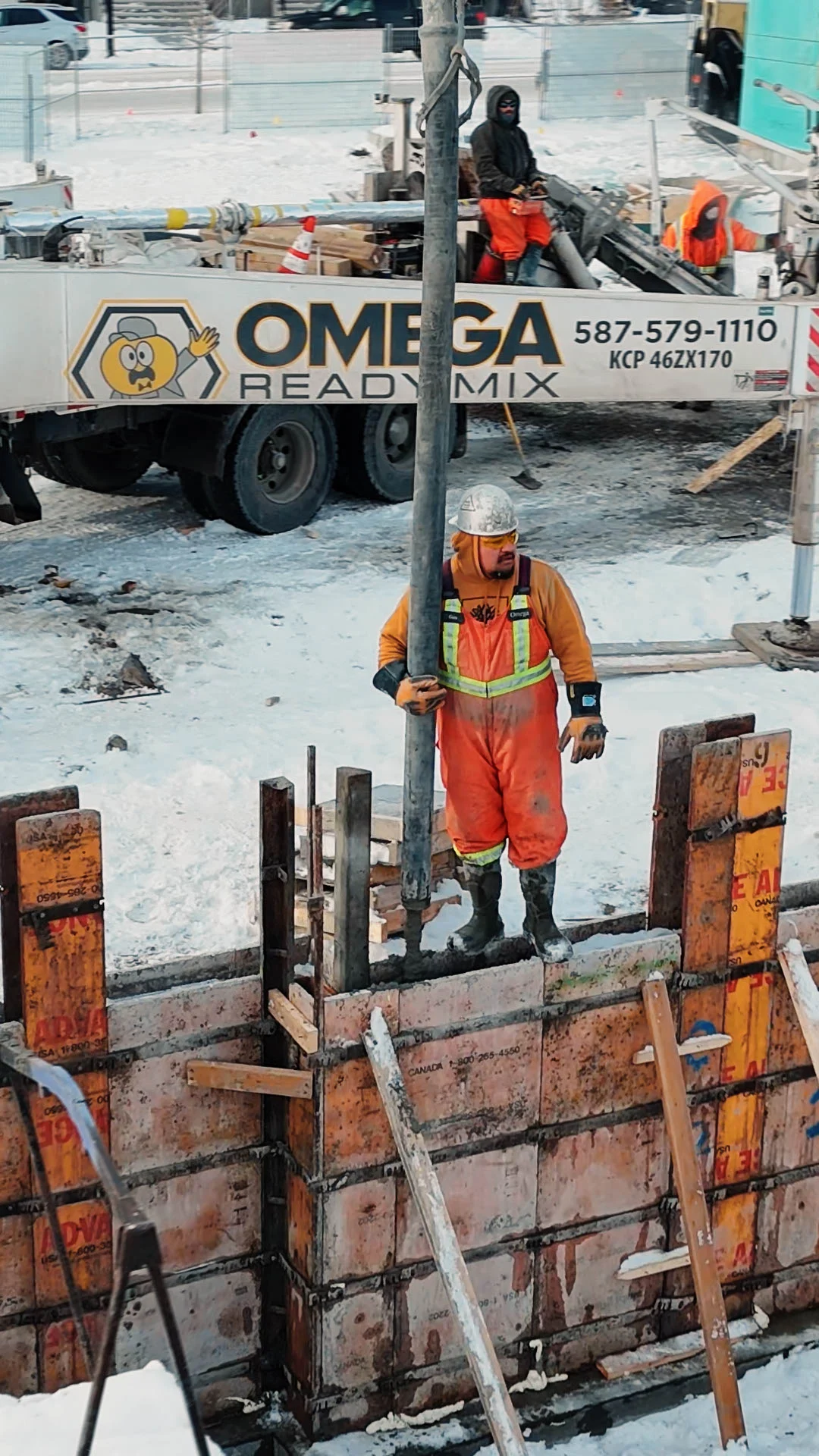
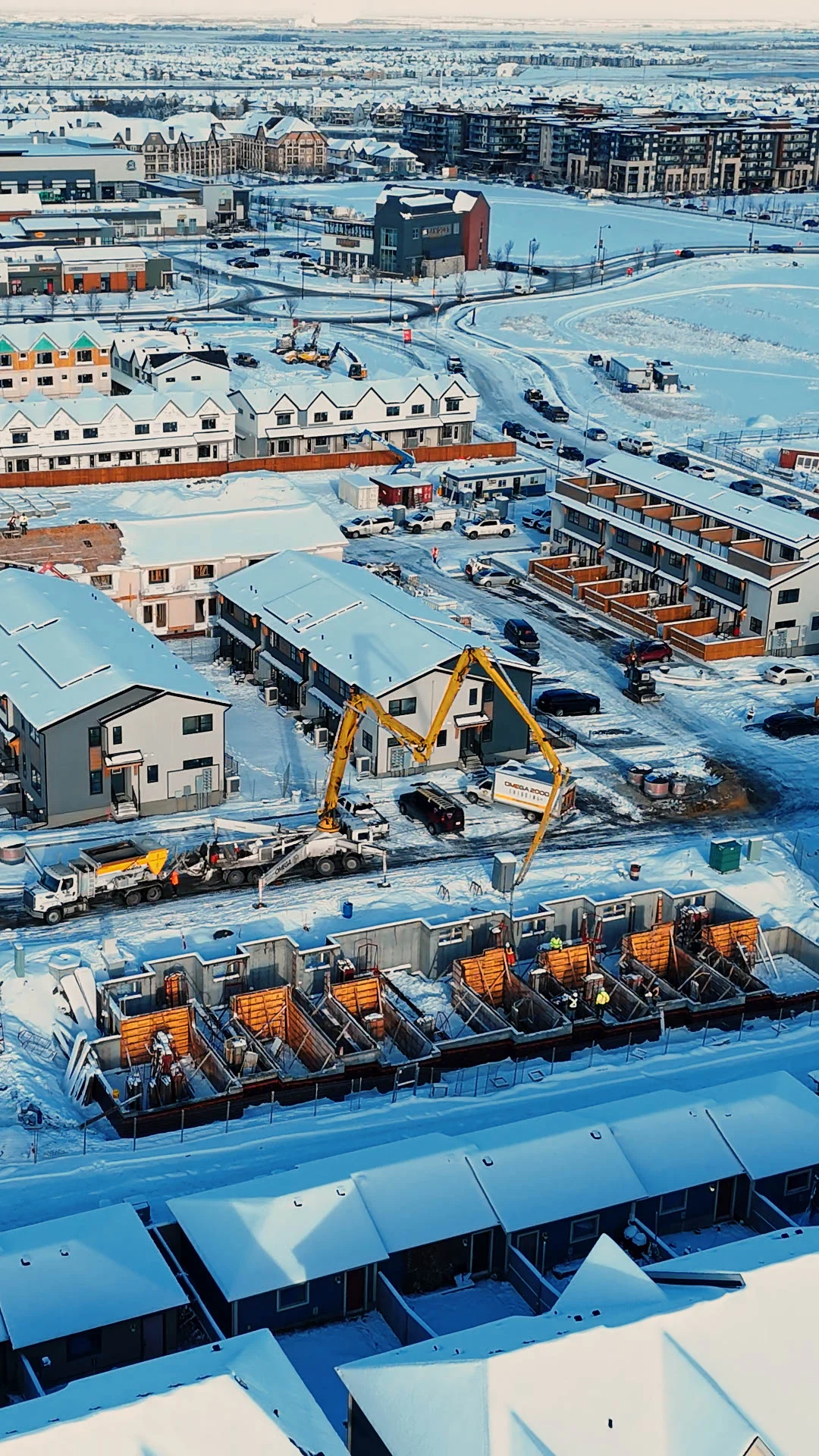
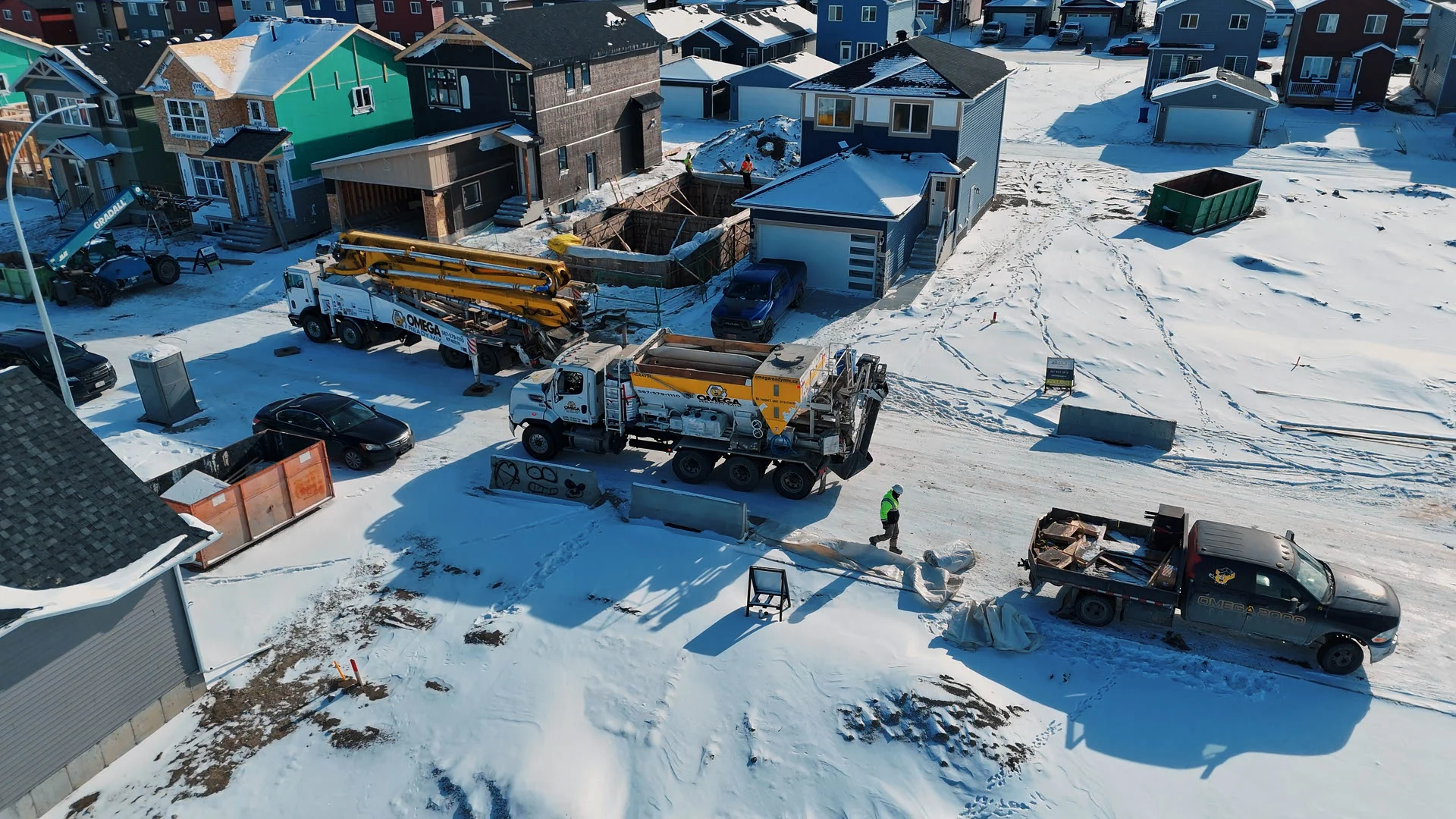
Real Self Consolidating Concrete placements across Calgary and Alberta. Complex forms, congested rebar, Class A finishes.
Frequently Asked Questions
Everything you need to know about Self Consolidating Concrete.
Self Consolidating Concrete — also called self-compacting concrete — is a high-performance mix that flows into place and consolidates under its own weight, without any mechanical vibration. It uses specialized admixtures (superplasticizers and viscosity modifiers) to stay fluid and homogeneous during placement.
Typical SCC achieves 550–750mm slump flow, meaning it spreads like a thick liquid but resists segregation of aggregate from paste.
SCC delivers several advantages: no vibration required, which cuts labor costs and eliminates equipment; 50%+ faster placement in complex forms; Class A architectural finish without honeycombing or bug holes; excellent flow around congested rebar without voids; and a quieter, safer jobsite.
The trade-off is a higher material cost per cubic metre, but the labor, time, and quality savings usually more than offset it on complex or architectural projects.
SCC is at least as strong — and often stronger — than conventional concrete of the same grade. Typical SCC mixes reach 30–50 MPa compressive strength, with a low water-to-cement ratio (0.35–0.45) and superior consolidation resulting in denser, void-free hardened concrete.
Because SCC eliminates honeycombing and voids that plague vibrated concrete in congested areas, the in-place strength is often more consistent throughout the pour.
SCC makes the most sense when any of these apply: the project has architectural exposed concrete requiring a Class A finish; there is congested reinforcement, post-tensioning cables, or embedded items that make vibration difficult or impossible; the formwork has complex geometry, tight corners, or narrow sections; or noise restrictions limit vibration equipment on site.
For simple slabs and standard structural work, conventional concrete is usually more cost-effective.
They look similar in the fresh state — both flow into place — but they serve completely different purposes. SCC is structural concrete reaching 30–50 MPa strength, designed to carry loads in walls, columns, beams, and slabs. Flowable fill (CLSM) is low-strength backfill material at 0.3–2.0 MPa, designed to be excavatable and used for filling trenches, voids, and around utilities.
Rule of thumb: if it holds up a building or bridge, use SCC. If it fills a hole around a pipe, use flowable fill.
Ready To Start Your Project?
Contact us today to discuss your custom concrete needs. Our expert team is ready to help you find the perfect mix for renovation, expansion, or new construction.