

Read Our Blogs
Tailored concrete solutions for every need. Stay informed with expert tips, industry guides, and construction insights delivered fresh from Calgary's trusted concrete supplier.
 Bryan Regular
More Posts
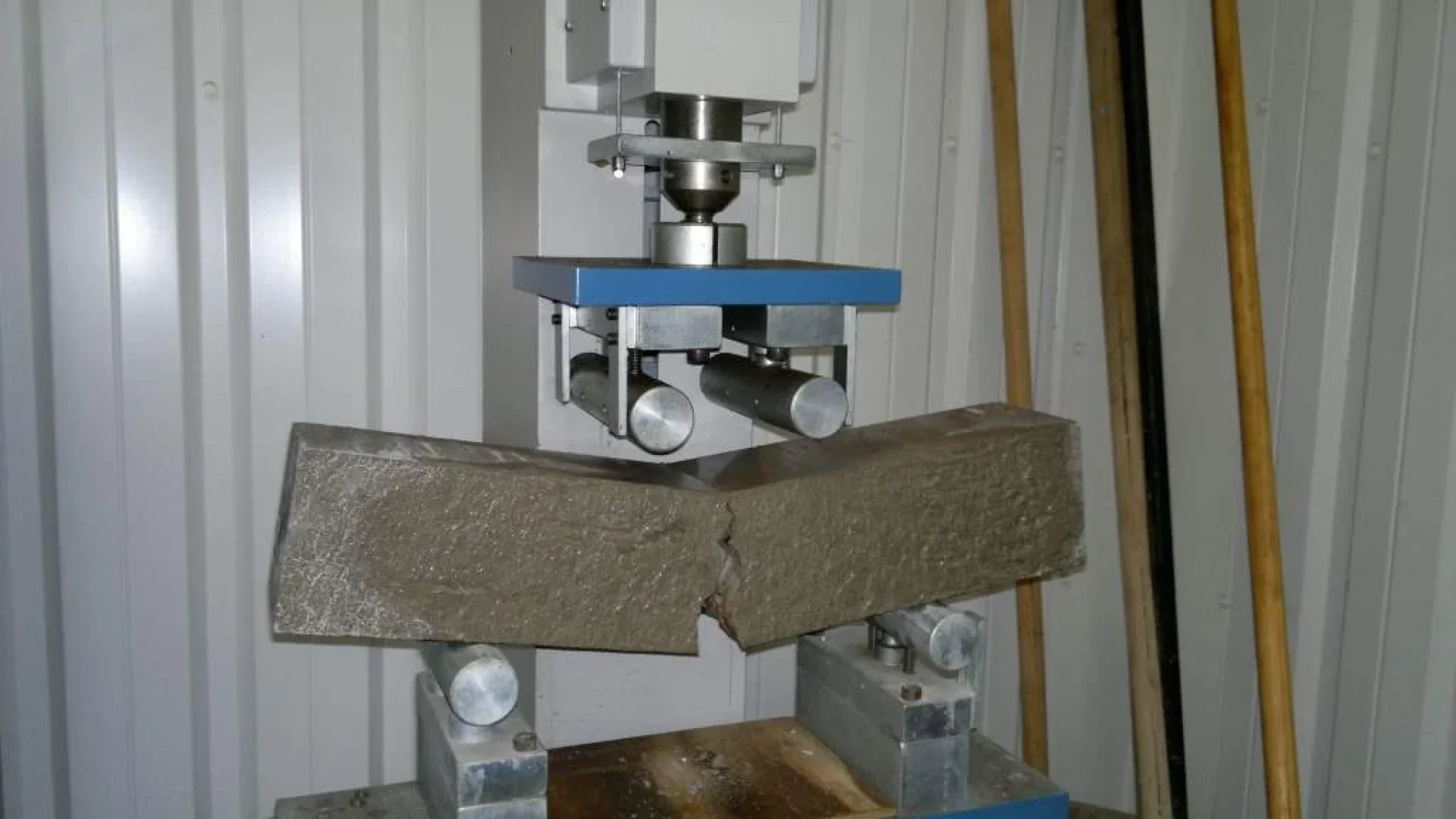
What a flexural strength spec line commits you to on a Calgary pour: beam methods, the 10 to 15 percent
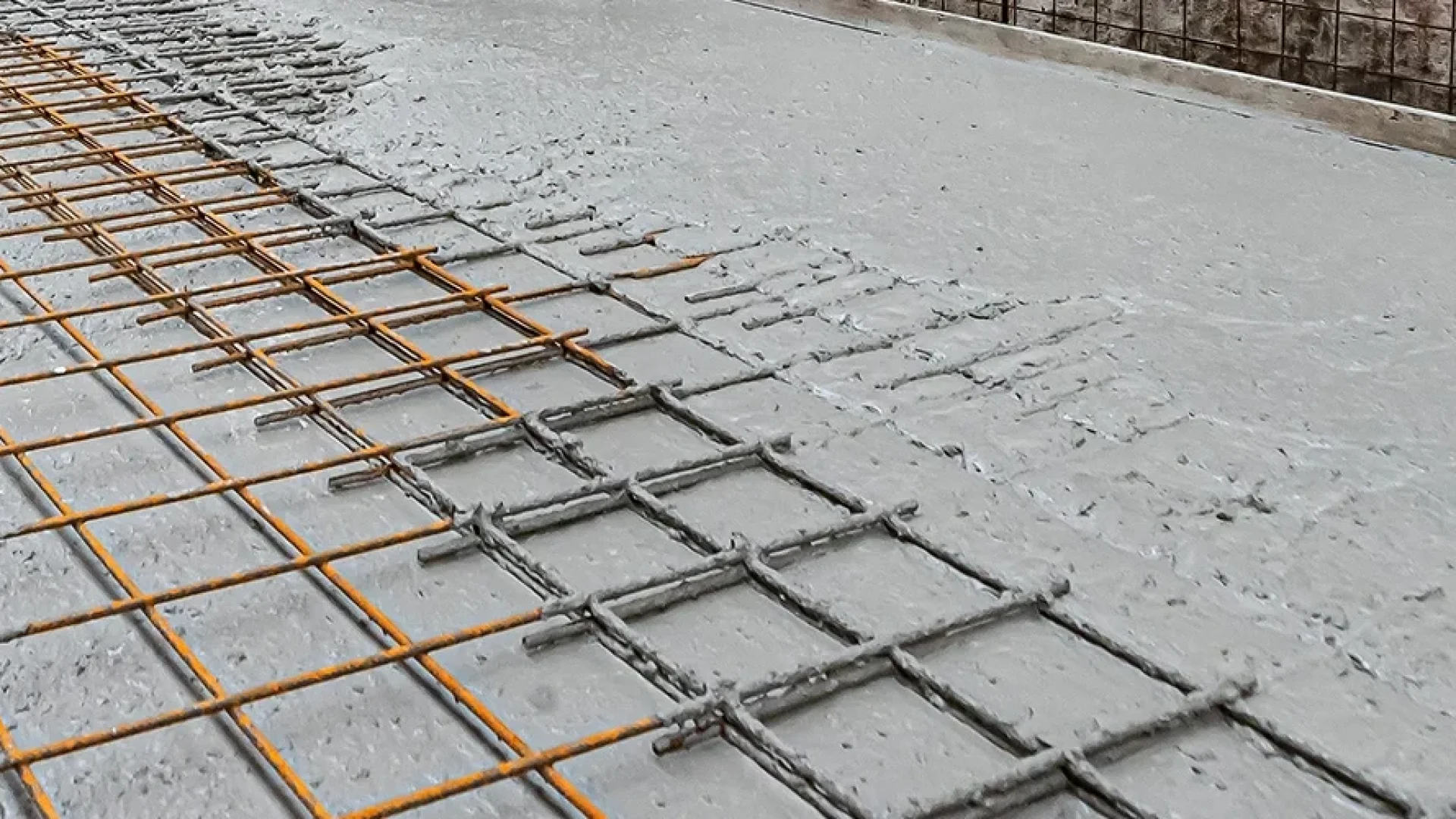
SCC is accepted on four numbers, not one: slump flow, VSI, J-ring and segregation. What each proves on an Alberta
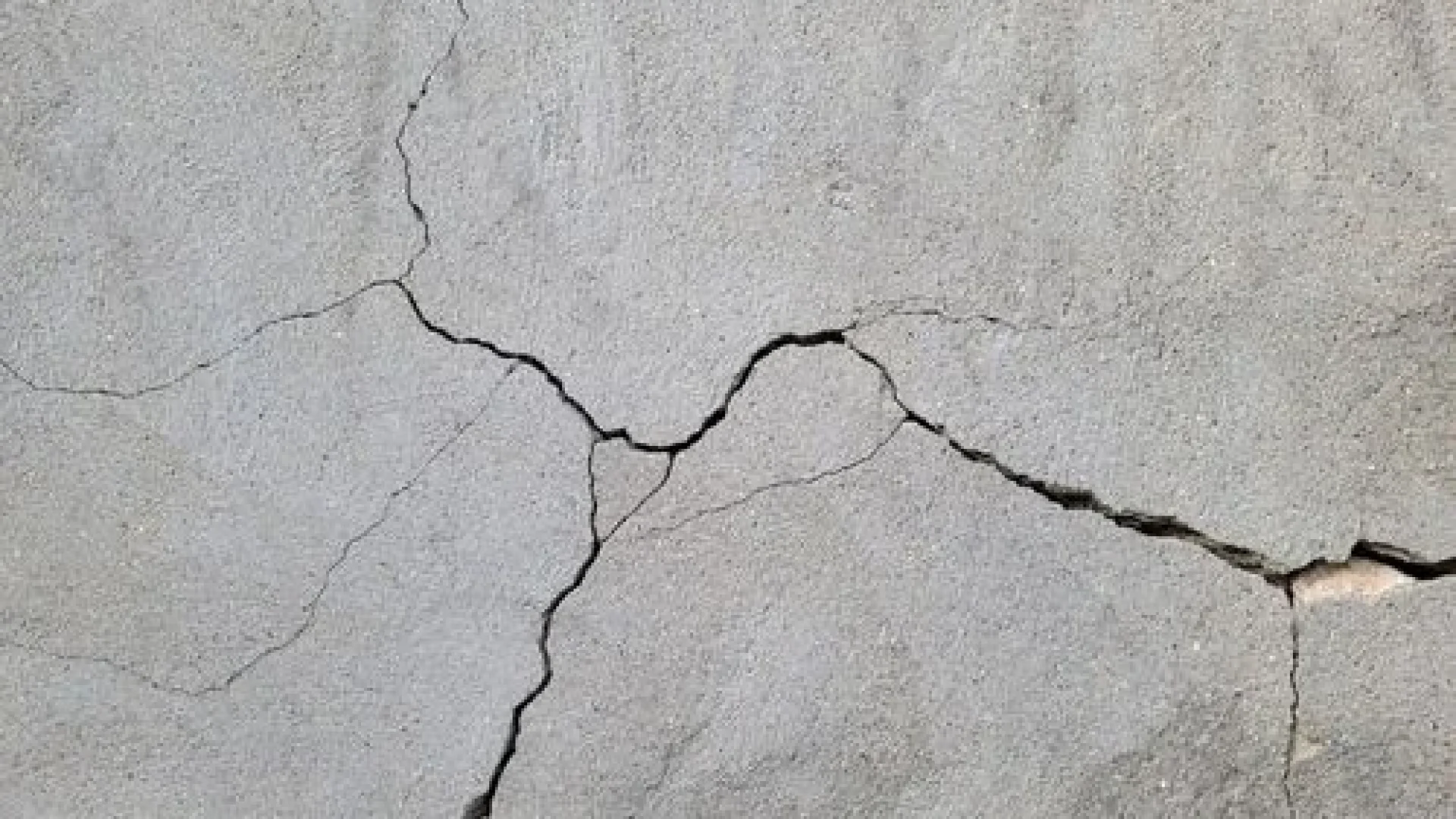
What ASTM C157 measures, how a microstrain shrinkage limit is written into a concrete spec, and what a mix can
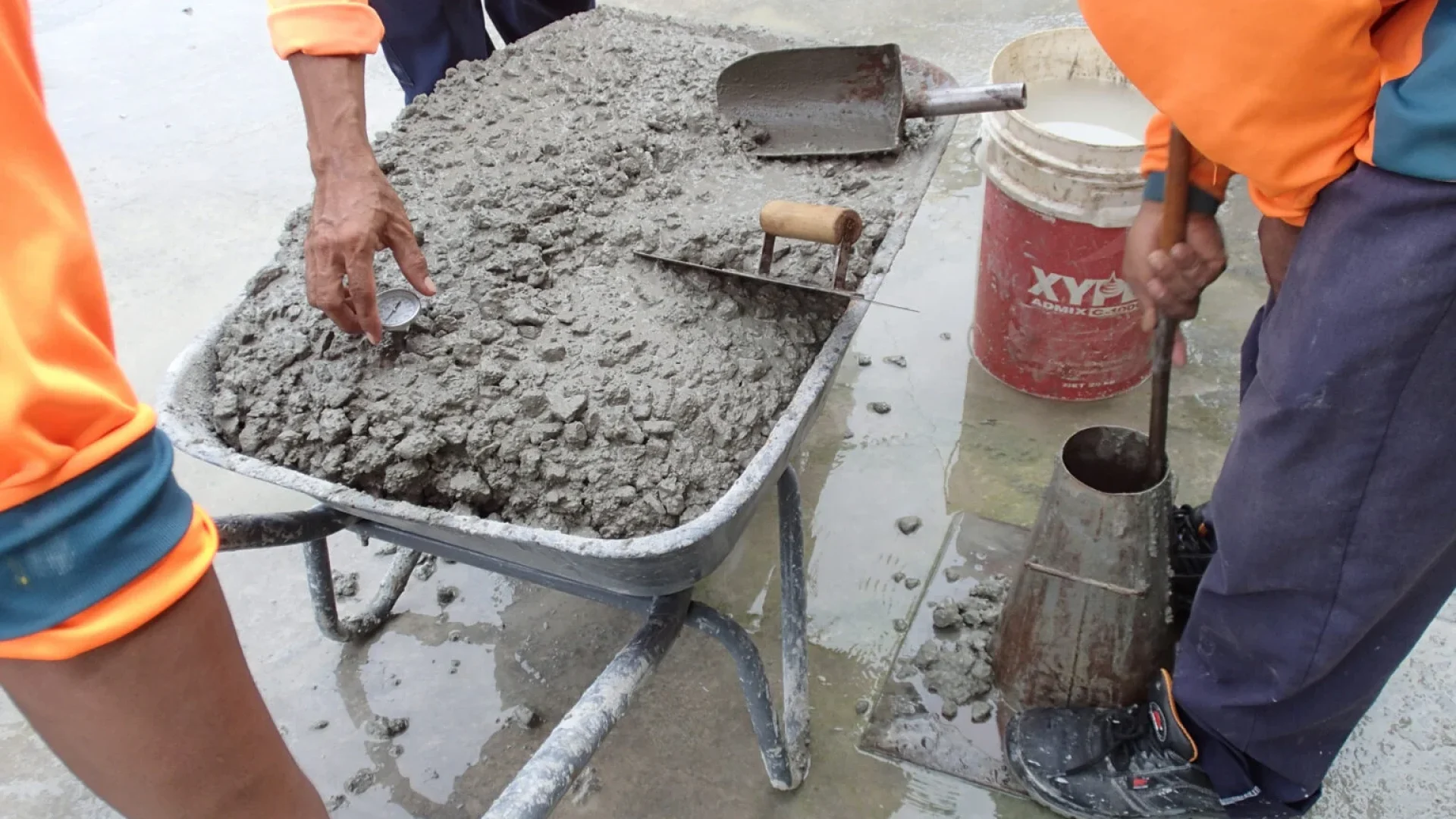
Where the sample has to come from, the time limits that start the moment you take it, and how a
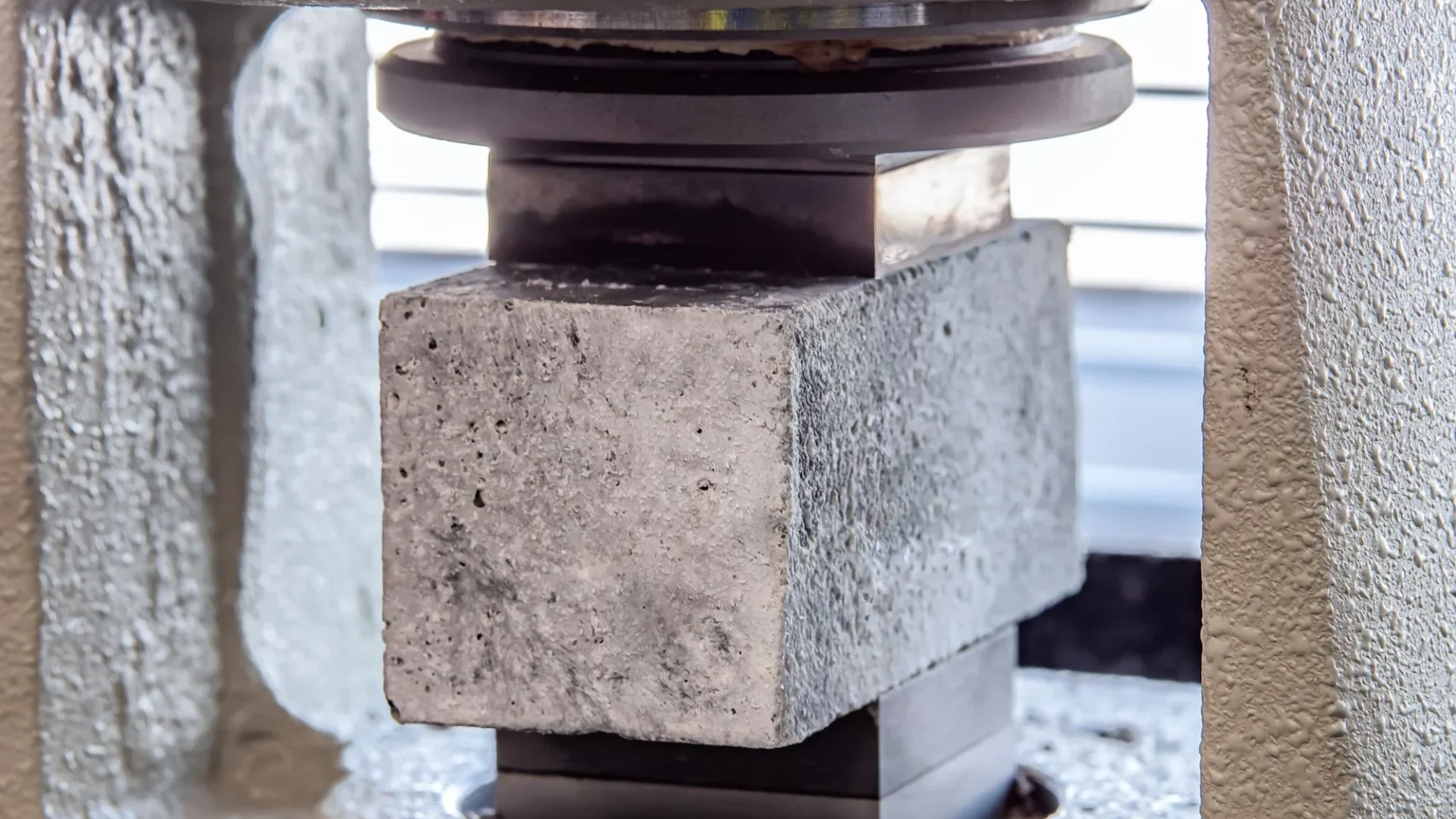
Why a concrete plant proportions for more strength than your spec asks, how the margin is calculated from standard deviation,
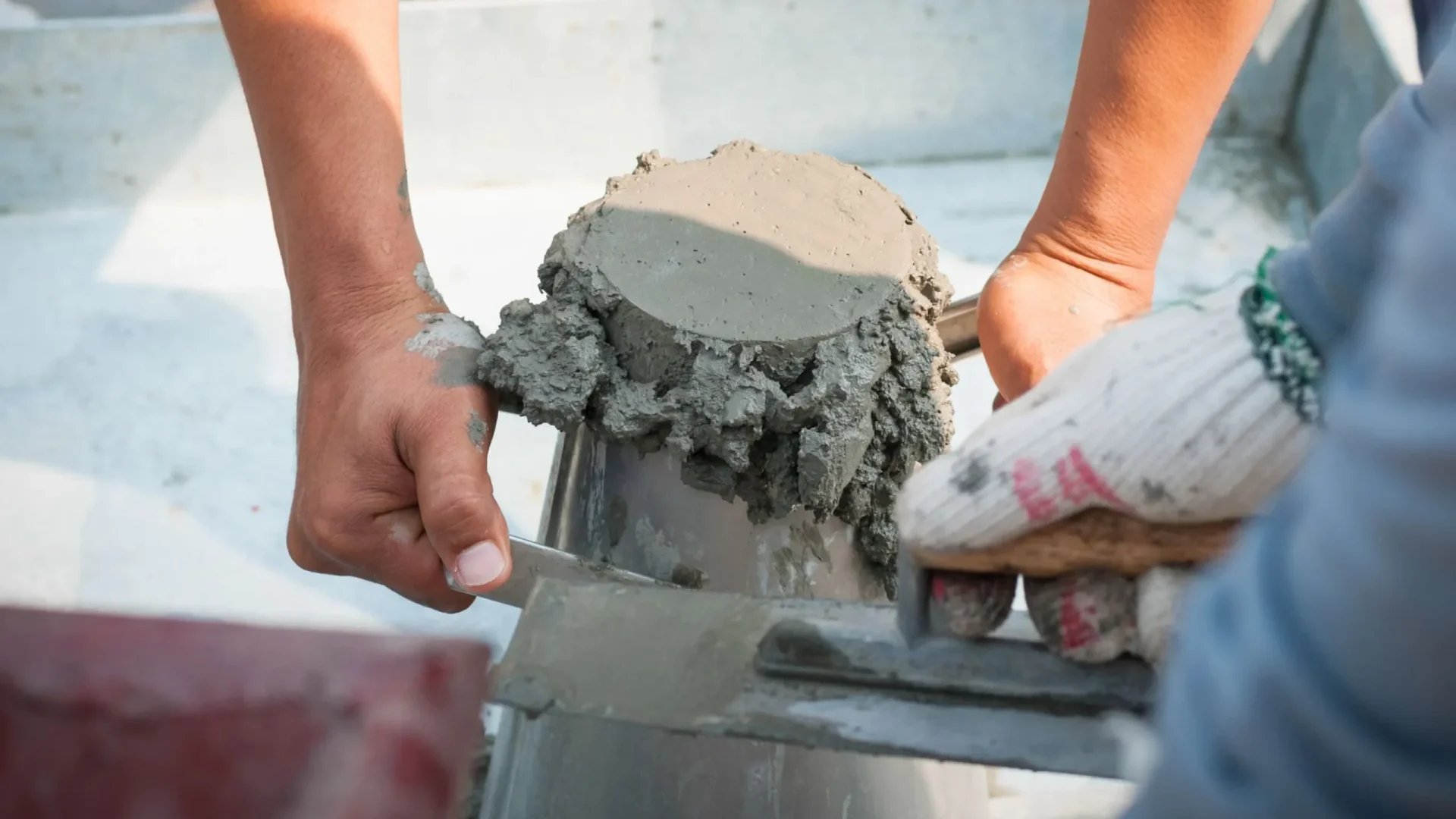
What the mixer uniformity test checks, which CSA A23.1 clause Alberta points to, the blade wear criterion, and the slump
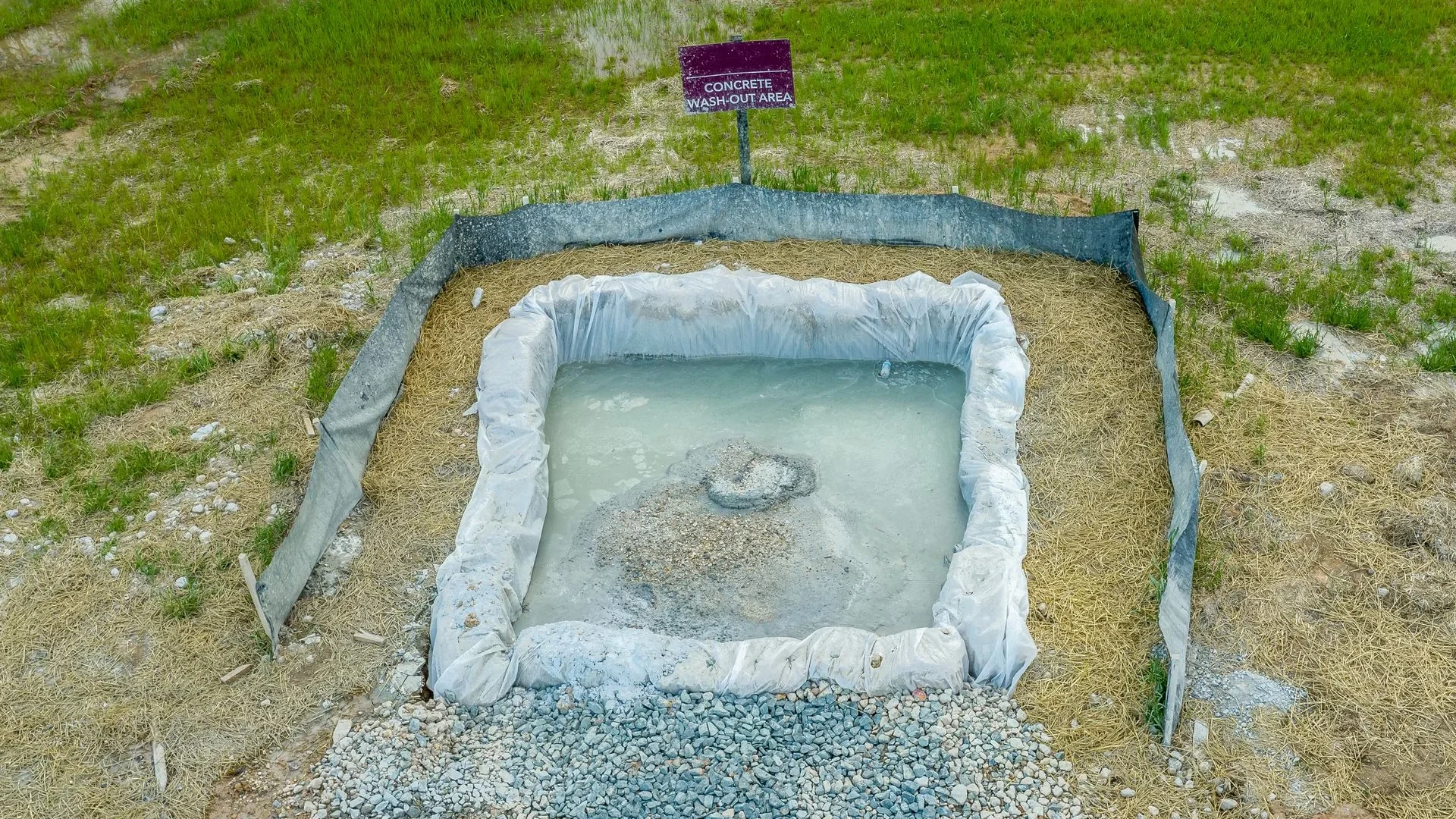
Chute rinse water is caustic and cement is a prohibited storm drain discharge in Calgary. Here is where washout water
Wet concrete is a strong alkali, not an irritant. Here is the pH chemistry, why the burn is late and
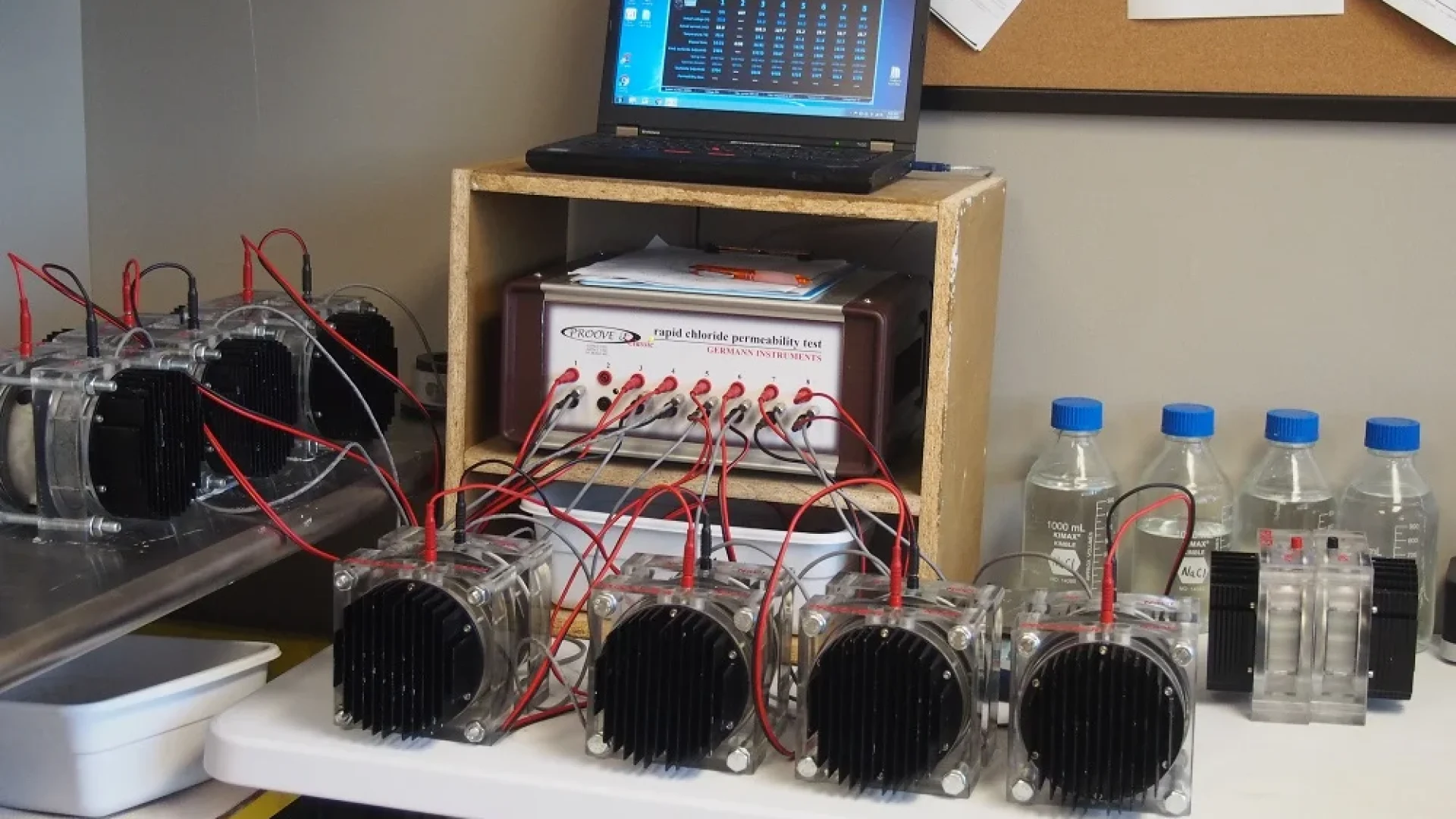
What ASTM C1202 coulombs actually measure, the CSA A23.1 and Alberta Transportation limits, and why test age decides whether a
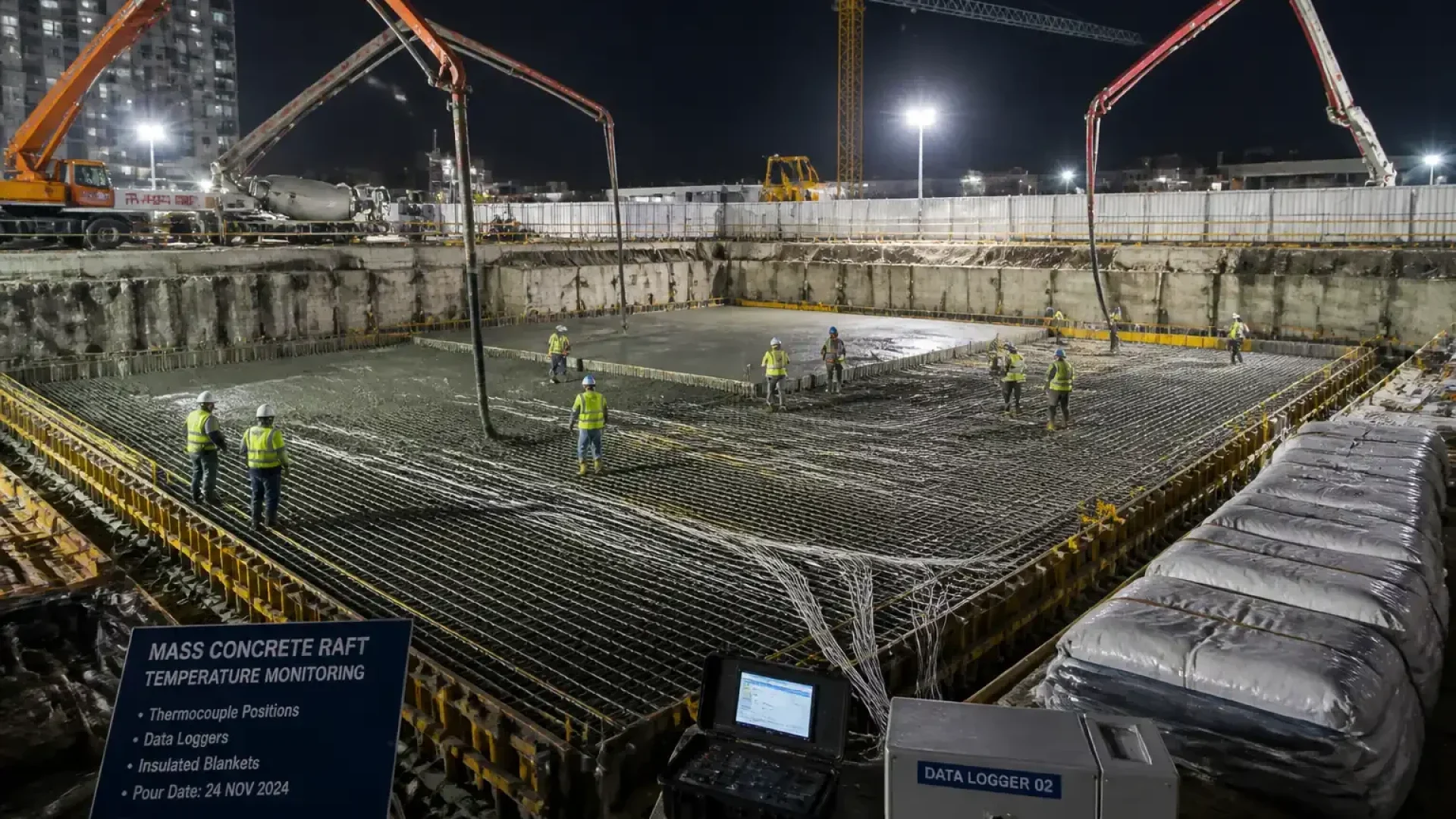
Mass Concrete Thermal Control in Alberta: Why the Differential Is a Winter Problem, Not a Summer One
When a pour becomes mass concrete, the 71C and 20C limits that govern it, and why Alberta blows the differential
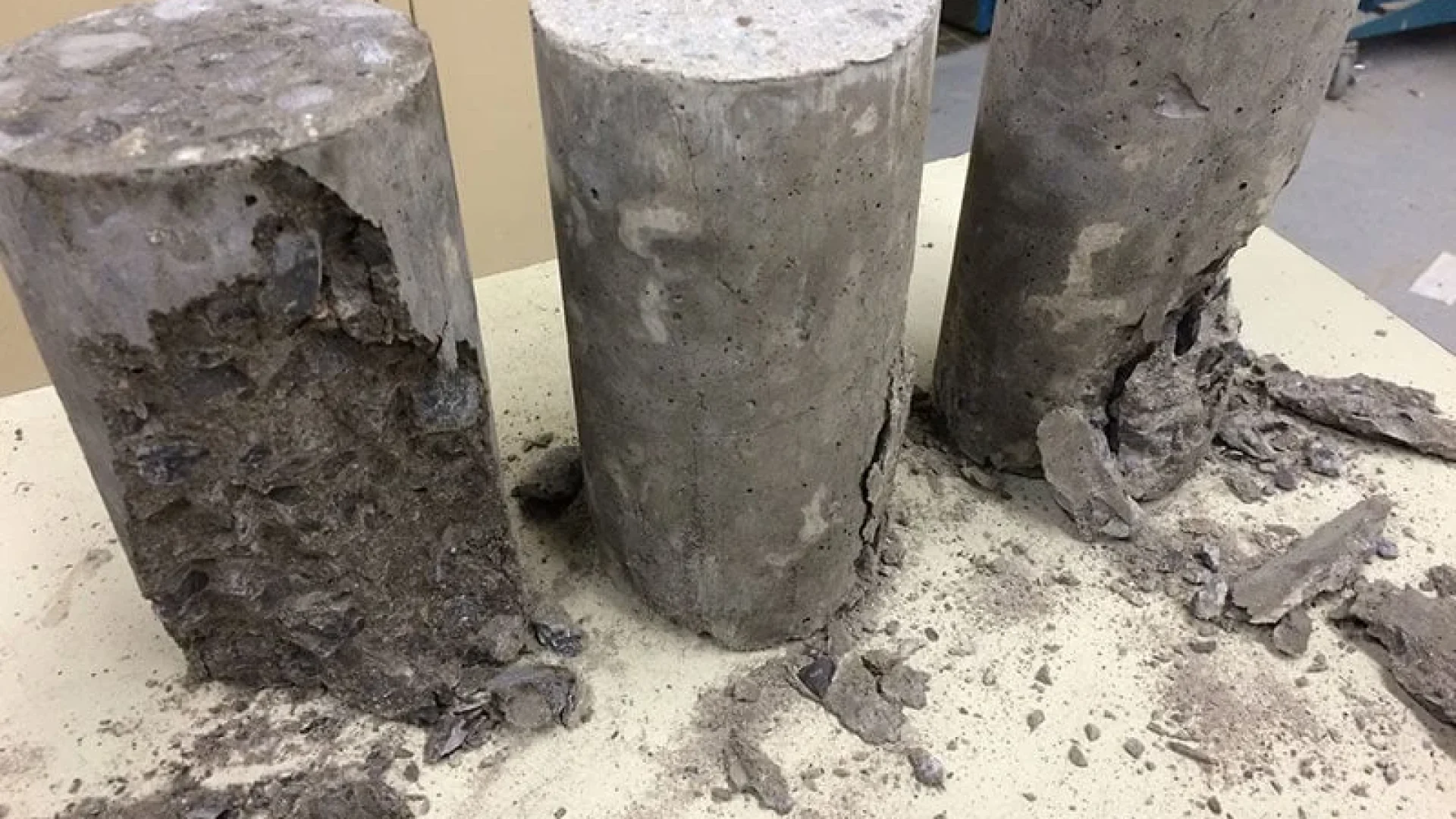
A 28-day break below spec is not automatically a failed pour. What the acceptable test result is, when cores are
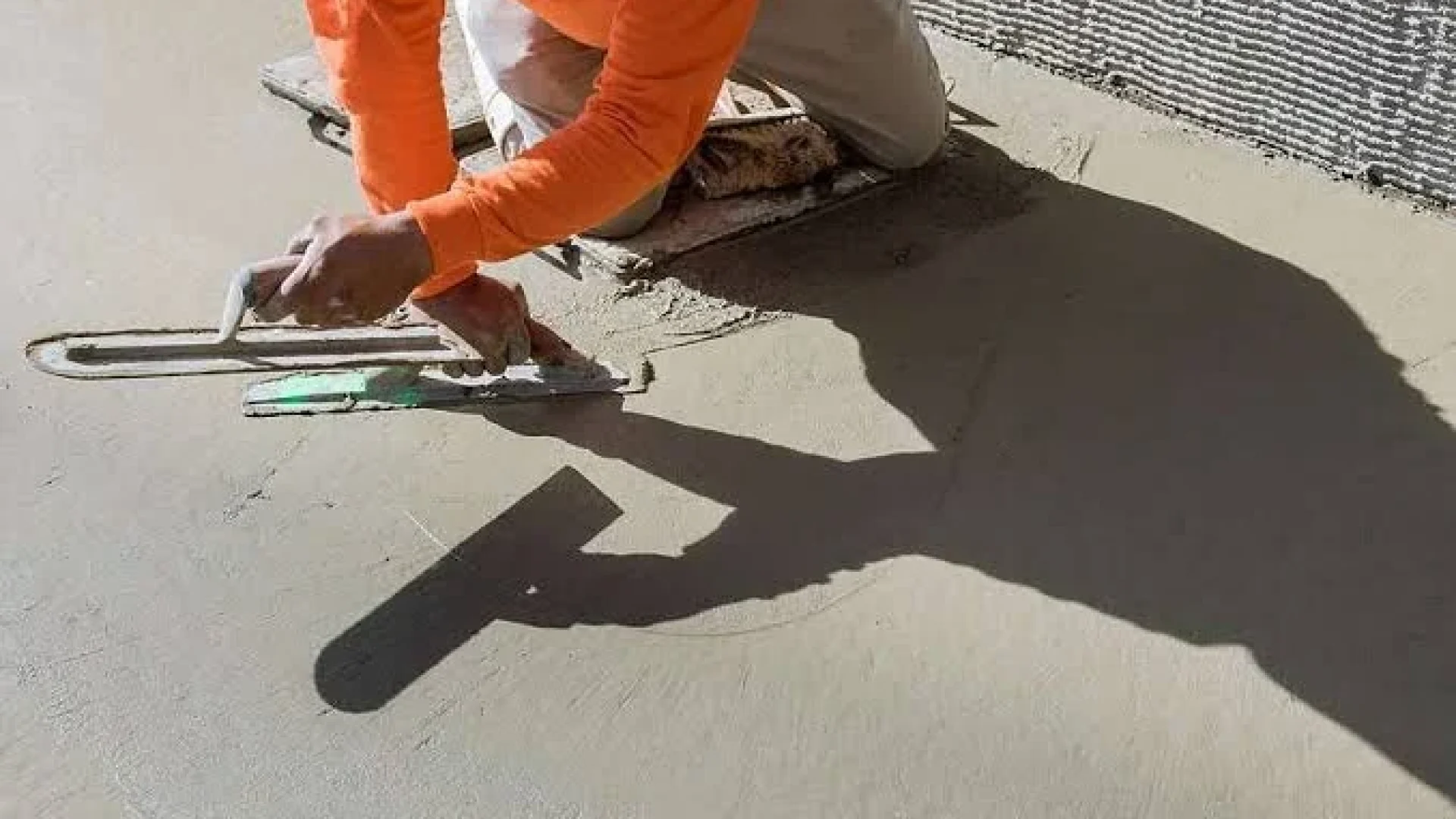
What ASTM C403 measures, the two penetration thresholds that define initial and final set, and the two field decisions the