
Modern concrete is no longer just a simple mix of cement, sand, aggregate, and water. Today, performance-driven construction—especially in climates like Edmonton, Alberta—demands more control, durability, and predictability. This is where concrete admixtures come in. Whether you’re pouring a residential driveway, commercial slab, or structural foundation, the right admixtures can significantly improve strength, workability, and long-term performance.
At Omega Ready Mix, we work daily with builders, contractors, and homeowners across the Edmonton area, tailoring concrete mixes to real-world conditions. From freeze-thaw resistance to faster setting times, admixtures help ensure concrete performs as intended—on pour day and decades later.
In this in-depth guide, we’ll break down what concrete admixtures are, the main types available, and why they play such a critical role in modern ready-mix concrete applications.
What Are Concrete Admixtures?
Definition of Concrete Admixtures
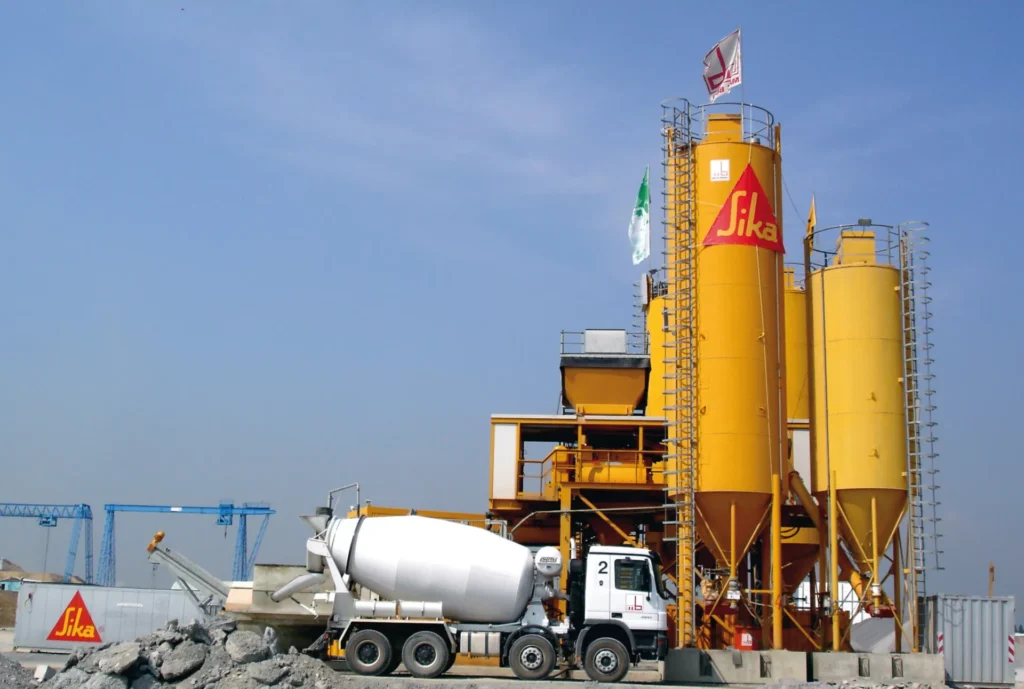
Concrete admixtures are natural or manufactured materials added to concrete before or during mixing to modify its properties. Unlike cement or aggregates, admixtures are typically used in small quantities, but their impact on concrete performance is significant.
Admixtures are introduced at the batch plant or directly into the ready-mix truck under controlled conditions. Precision matters—too little may provide no benefit, while too much can negatively affect strength or set time. This is why professional batching systems and experienced operators are essential.
According to the American Concrete Institute (ACI), admixtures are used to “enhance fresh and hardened concrete properties under specific conditions,” making them a standard component of modern concrete design rather than an optional add-on.
Why Admixtures Are Essential in Modern Concrete
Construction today is faster, more regulated, and more performance-driven than ever before. Admixtures help concrete meet these demands by addressing challenges such as:
- Cold-weather placement and curing
- Extended haul times to job sites
- Higher strength and durability requirements
- Reduced water usage for sustainability
In regions like Edmonton, where concrete must withstand extreme temperature swings and freeze-thaw cycles, admixtures are not a luxury—they are a necessity. Properly designed admixture systems help reduce cracking, scaling, and premature deterioration, protecting both the structure and the investment.
Main Types of Concrete Admixtures
Chemical Admixtures
Chemical admixtures are the most commonly used category in ready-mix concrete. They primarily affect the properties of concrete while it is fresh, though many also influence long-term performance.
Air-Entraining Admixtures
Air-entraining admixtures intentionally introduce microscopic air bubbles into the concrete. These tiny voids provide space for water to expand when it freezes, significantly improving freeze-thaw durability.
In Alberta’s climate, air entrainment is critical for exterior concrete such as driveways, sidewalks, and patios. Without it, concrete is far more likely to experience surface scaling and cracking after repeated winters. For a comprehensive look at how air-entrained concrete protects against freeze-thaw damage, see our complete guide to air-entrained concrete in Calgary and Edmonton.
Typical benefits include:
- Improved resistance to freeze-thaw damage
- Reduced surface scaling
- Improved workability during placement
Industry standards, including guidance from the American Concrete Institute (ACI), recommend air-entrained concrete for exterior flatwork exposed to moisture and freezing temperatures.
Water-Reducing Admixtures (Plasticizers)
Water-reducing admixtures—often called plasticizers—allow concrete to achieve the same workability with less water. Reducing water content is one of the most effective ways to increase concrete strength and durability.
For example, a driveway mix using a water reducer can be easier to place and finish while still achieving higher compressive strength than a traditional high-water mix. Learn more about how PSI specifications affect concrete performance in our complete guide to 3000 vs 4000 vs 5000 PSI concrete.
Key advantages include:
- Higher strength without increasing cement content
- Improved surface finish
- Reduced permeability and shrinkage
Water reducers also help maintain proper slump control throughout delivery and placement. By reducing the temptation to add water on site, these admixtures preserve both workability and final compressive strength—two factors that are often in conflict without modern chemical admixtures.
High-Range Water Reducers (Superplasticizers)
High-range water reducers, commonly known as superplasticizers, provide a dramatic increase in flow without adding water. These admixtures are often used for high-performance or heavily reinforced concrete.
Superplasticizers are especially valuable for:
- Dense rebar placements
- Complex formwork
- High-strength structural applications
They also reduce labor time by making concrete easier to place and consolidate, improving both efficiency and finish quality.
Accelerating Admixtures
Accelerators speed up the setting and early strength gain of concrete. This is particularly useful during cold weather pours or when fast turnaround times are required.
In Edmonton, accelerators are commonly used in early spring and late fall to help concrete reach sufficient strength before temperatures drop overnight.
Common benefits include:
- Faster finishing times
- Earlier form removal
- Reduced risk of early-age freezing
Retarding Admixtures
Retarding admixtures slow down the setting process, giving crews more time to place and finish concrete. They are especially helpful for large pours, hot weather, or long haul distances from the batch plant to the job site.
For larger commercial slabs or projects with complex scheduling, retarders help prevent cold joints and ensure consistent finishing quality.
Mineral (Supplementary Cementitious) Admixtures
Fly Ash
Fly ash is a byproduct of coal combustion and is commonly used to replace a portion of Portland cement in concrete mixes. When properly proportioned, fly ash improves workability and long-term strength while reducing heat of hydration.
From a sustainability perspective, fly ash also lowers the carbon footprint of concrete by reducing cement demand.
Slag Cement
Slag cement enhances durability, sulfate resistance, and long-term strength. It is frequently used in infrastructure and commercial applications where longevity is critical.
Concrete containing slag cement often exhibits a smoother finish and improved resistance to aggressive environmental conditions.
Silica Fume
Silica fume is an ultra-fine material used in high-performance concrete. It significantly reduces permeability and increases compressive strength, making it ideal for industrial floors and structural elements requiring exceptional durability.
Benefits of Using Concrete Admixtures

Improved Strength and Long-Term Durability
By controlling water content, air structure, and hydration, admixtures help concrete achieve higher compressive strength and resist long-term deterioration. This translates into fewer repairs and a longer service life.
Enhanced Workability and Finish Quality
Admixtures improve flow and consistency, making concrete easier to place, consolidate, and finish. This not only saves labor time but also results in smoother, more professional surfaces.
Cold Weather and Freeze-Thaw Protection
Air-entraining and accelerating admixtures are essential tools for producing concrete that survives Alberta’s harsh winters. Properly designed mixes reduce cracking, scaling, and surface damage caused by freeze-thaw cycles.
Controlled Setting Times for Better Scheduling
Whether you need concrete to set faster or slower, admixtures provide control. This flexibility allows contractors to pour confidently despite changing weather, site logistics, or project timelines.
Together, these benefits make concrete admixtures a cornerstone of modern, high-quality ready-mix concrete—especially for demanding environments like Edmonton and surrounding areas.
Common Applications of Concrete Admixtures
Residential Concrete Projects
In residential construction, concrete admixtures are most commonly used to improve durability, finish quality, and seasonal reliability. Homeowners may not always realize it, but the performance of their driveway, patio, or garage slab depends heavily on the admixtures used in the mix.
Typical residential applications include:
- Driveways: Air-entrained concrete resists freeze-thaw damage and surface scaling.
- Patios and walkways: Water reducers improve finish quality and reduce cracking.
- Garage slabs: Controlled set times and improved strength support vehicle loads.
For Edmonton homeowners, admixtures help ensure exterior concrete survives harsh winters while maintaining appearance and structural integrity year after year.
Commercial and Industrial Applications
Commercial and industrial projects place higher demands on concrete performance. These applications often involve heavier loads, tighter schedules, and stricter specifications.
Concrete admixtures are widely used in:
- Parking lots and loading areas
- Commercial slabs-on-grade
- Foundations and structural elements
Superplasticizers, slag cement, and retarders are frequently specified to improve workability, strength, and placement control on large or complex pours.
Specialized Applications in Edmonton
Certain local construction needs require highly customized concrete mixes. For example, YEG cribbing and specialty foundations often benefit from admixtures that enhance early strength, reduce permeability, or improve placement consistency in tight forms.
These applications highlight why one-size-fits-all concrete rarely delivers optimal results.
Concrete Admixtures for Edmonton and Alberta Conditions
Freeze-Thaw Resistance
Edmonton experiences dozens of freeze-thaw cycles each year. Without proper air entrainment, concrete exposed to moisture can deteriorate rapidly. Air-entraining admixtures create microscopic air pockets that relieve internal pressure as water freezes and expands.
This is one of the most important durability factors for exterior concrete in Alberta.
Cold-Weather Placement Strategies
Cold weather poses challenges for concrete setting and strength development. Accelerating admixtures help concrete reach early strength faster, reducing the risk of freezing damage during curing.
At professional batch plants, admixtures are often combined with heated aggregates and controlled mix temperatures to maintain consistent quality even in cooler months.
Long-Haul and On-Site Placement Considerations
Some projects require longer travel times from the batch plant to the job site. Retarding admixtures slow hydration, preventing premature setting and ensuring the concrete remains workable upon arrival.
This is especially valuable for larger pours or sites with limited access where placement may take longer than expected.
How Omega Ready Mix Designs Admixture-Optimized Concrete
Modern Batch Plant Technology
Precision matters when working with admixtures. At Omega Ready Mix, modern batching systems accurately measure and dispense admixtures to ensure consistent results from load to load.
This level of control reduces variability and helps deliver predictable performance on every project.
Experienced Technical Team
Concrete performance isn’t just about materials—it’s about experience. Our team understands local building practices, environmental conditions, and real-world placement challenges across the Edmonton area.
This hands-on expertise allows us to recommend admixture combinations that align with both project requirements and site conditions.
Custom Mix Designs for Every Project
No two projects are exactly the same. Residential flatwork, commercial slabs, and specialty applications all benefit from tailored concrete mixes.
By adjusting admixture types and dosages, we help ensure concrete performs exactly as needed—from finish quality to long-term durability.
Choosing the Right Concrete Mix for Your Project
Questions to Ask Before Ordering Concrete
Before ordering concrete, consider the following:
- Will the concrete be exposed to freezing and moisture?
- Is early strength gain important for scheduling?
- How far is the job site from the batch plant?
- Are there finish or appearance requirements?
These factors directly influence which admixtures should be included in the mix.
Why One-Size-Fits-All Concrete Doesn’t Work
Generic concrete mixes may appear cheaper upfront, but they often lead to long-term issues such as cracking, surface damage, or premature failure.
An engineered mix using the right admixtures delivers better value by extending service life and reducing maintenance costs.
Frequently Asked Questions About Concrete Admixtures
Are concrete admixtures safe?
Yes. Concrete admixtures are widely tested and regulated. When used correctly by professional suppliers, they are safe and effective for residential and commercial construction.
Do admixtures increase the cost of concrete?
Some admixtures add a small upfront cost, but they often reduce overall project expenses by improving durability, reducing repairs, and minimizing labor time.
Can multiple admixtures be used together?
Yes. Many concrete mixes use multiple admixtures simultaneously. Proper mix design ensures compatibility and optimal performance.
Are admixtures required for exterior concrete in Edmonton?
While not always legally required, air-entraining admixtures are strongly recommended for exterior concrete exposed to freeze-thaw cycles.
Who decides which admixtures are used?
Admixture selection is typically determined by the concrete supplier in consultation with contractors, engineers, or homeowners based on project needs.
Conclusion: Smarter Concrete Starts with the Right Admixtures
Concrete admixtures play a vital role in modern construction, improving strength, durability, workability, and climate resistance. In demanding environments like Edmonton, the right admixtures are essential for producing concrete that performs reliably over time.
By understanding the types, benefits, and applications of concrete admixtures, builders and homeowners can make informed decisions that protect their investment and ensure long-term success.
Get Expert Concrete Solutions from Omega Ready Mix
Whether you’re planning a driveway, patio, commercial slab, or specialty project, Omega Ready Mix delivers concrete engineered for Edmonton conditions. Our experienced team and modern equipment ensure consistent quality, performance, and reliability on every pour.
Contact Omega Ready Mix today to request a quote or speak with a concrete specialist about the right mix design for your project.