Concrete no longer has to be plain, dull, or purely functional. Across Calgary and Southern Alberta, homeowners and builders are increasingly choosing colored concrete to elevate driveways, patios, walkways, and commercial spaces without sacrificing durability. The challenge? Many people are unsure which coloring options exist, how they perform in Calgary’s harsh freeze-thaw climate, and whether the added cost is truly worth it.
This guide breaks down everything you need to know about colored concrete in Calgary—from how it’s made, to the most popular coloring methods, to real-world applications you’ll see across residential and commercial projects. Drawing on real industry experience and proven concrete supply practices, this article is designed to help you make confident, informed decisions before you pour.
What Is Colored Concrete?
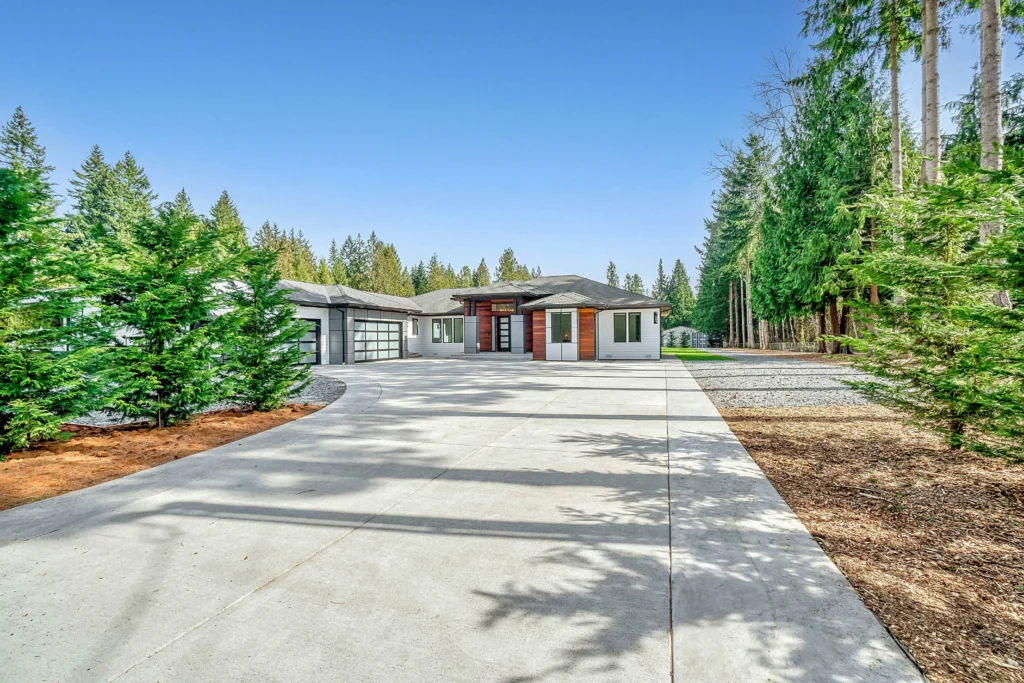
Colored concrete is exactly what it sounds like: concrete that has been intentionally tinted or treated to achieve a specific color or visual effect. Unlike paint or surface coatings that sit on top, many decorative concrete systems integrate color directly into the concrete or chemically bond with the surface, making them far more durable and long-lasting.
In Calgary, where concrete must withstand extreme temperature swings, de-icing salts, and UV exposure, the method used to add color is just as important as the color itself.
How Colored Concrete Is Made
There are several proven ways to add color to concrete, each suited to different budgets, aesthetics, and performance requirements:
- Integral pigments added directly into the concrete mix at the batch plant
- Surface-applied stains that chemically react or penetrate the concrete
- Dyes that soak into the surface for vibrant, modern tones
- Stamped and textured systems that combine color with pattern
Professional concrete suppliers carefully measure pigments and control mix designs to ensure consistency. Even small variations in batching, water content, or curing conditions can affect final color, which is why experience and quality control matter.
Why Colored Concrete Is Popular in Calgary
Concrete with integral color has gained traction across Calgary for both practical and aesthetic reasons:
- It enhances curb appeal without the maintenance issues of pavers or bricks
- It integrates seamlessly with modern and traditional architecture
- It performs well under heavy loads and freeze-thaw cycles when poured with proper PSI ratings
- It offers long-term value compared to decorative overlays
According to industry data from the National Ready Mixed Concrete Association, integrally concrete with integral color retains its appearance for decades when properly placed and sealed—making it a strong choice for high-visibility exterior surfaces.
Types of Colored Concrete Options in Calgary
Not all decorative concrete is created equal. Choosing the right option depends on how the surface will be used, your design goals, and your tolerance for maintenance over time.
Integral Color Concrete (Mixed-In Pigment)
Integral color concrete is produced by adding mineral-based pigments directly into the concrete during batching. This means the color runs through the entire slab—not just the surface.
This method is commonly used for driveways, sidewalks, garage slabs, and commercial flatwork throughout Calgary.
Advantages of Integral Color Concrete
- Uniform, consistent color throughout the slab
- Color remains visible even if the surface wears slightly
- Excellent UV stability and fade resistance
- Low long-term maintenance requirements
Limitations to Consider
- Higher upfront cost than plain grey concrete
- Color changes after placement are difficult
- Requires precise batching and placement control
From a performance standpoint, integral color is often considered the most durable solution for Calgary’s climate because it doesn’t rely on surface treatments alone.
Concrete Stains
Concrete stains are applied to cured concrete and penetrate the surface to create rich, natural-looking color variations. They are popular for decorative patios, walkways, and feature slabs.
Acid-Based Concrete Stains
Acid stains react chemically with the cement paste, producing earthy, marbled tones. Because the reaction depends on the concrete’s composition, no two slabs look exactly the same.
- Unique, natural appearance
- Excellent for decorative outdoor spaces
- Limited color palette (earth tones)
Water-Based Concrete Stains
Water-based stains offer a wider range of predictable colors and more uniform results. They are often chosen when design consistency matters.
- Broader color selection
- More consistent outcomes
- Typically easier to apply and control
Concrete Dyes
Concrete dyes penetrate deeply into the surface and are known for their vibrant, modern colors. While they are commonly used indoors, they can also be applied outdoors when properly sealed.
Dyes are ideal for homeowners looking for bold design statements but require careful UV protection in Calgary’s sunny summers.
Colored Stamped Concrete
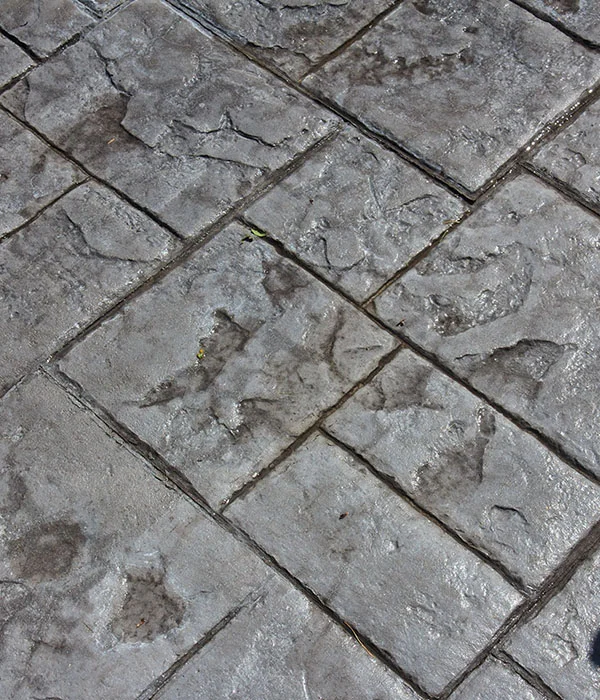
Stamped colored concrete combines integral color or surface coloring with textured patterns that mimic stone, brick, slate, or even wood.
This option is frequently used for patios, entryways, and high-end residential projects where appearance is a top priority. When installed correctly, stamped colored concrete delivers a premium look with the strength of concrete.
Popular Colored Concrete Applications in Calgary
Colored concrete is versatile and adaptable, making it suitable for a wide range of residential and commercial applications across Calgary.
Colored Concrete Driveways
Driveways are one of the most common uses for colored concrete. Integral color is particularly effective here because it holds up well under vehicle traffic, snow clearing, and de-icing salts.
Lighter shades can reduce heat absorption in summer, while darker tones help mask tire marks and everyday wear.
Patios, Walkways, and Outdoor Living Spaces
For patios and walkways, homeowners often choose stained or stamped colored concrete to create visual interest without introducing joints that can shift or settle over time.
Slip resistance, drainage, and proper sealing are especially important in these areas to ensure year-round safety.
Commercial and Municipal Uses
Colored concrete is widely used in commercial developments, sidewalks, plazas, and retail environments throughout Calgary. It helps define spaces, improve wayfinding, and create durable surfaces that meet municipal standards.
In these projects, consistent batching, on-time delivery, and quality control are critical—making professional concrete supply a key success factor.
Colored Concrete Cost in Calgary (2025 Pricing Guide)
One of the most common questions homeowners and builders ask is how much colored concrete costs compared to standard grey concrete. The short answer is that colored concrete does cost more upfront—but the long-term value, durability, and visual impact often justify the investment.
Average Colored Concrete Cost Per Square Foot
| Type of Colored Concrete | Estimated Cost (CAD / sq ft) |
|---|---|
| Integral Color Concrete | $10 – $15 |
| Concrete Stain | $6 – $12 |
| Concrete Dye | $7 – $14 |
| Stamped Colored Concrete | $15 – $25+ |
These ranges reflect typical residential and light commercial projects in Calgary. Larger pours, simpler finishes, and consistent batching often reduce the per-square-foot cost.
Key Factors That Affect Colored Concrete Pricing
- Pigment type and dosage: Darker or richer colors require more pigment
- Surface preparation: Especially important for stains and dyes
- Finishing complexity: Stamped or decorative textures increase labor
- Sealing requirements: High-quality sealers add cost but extend lifespan
- Project size and access: Small or hard-to-access pours cost more per square foot
According to Concrete Canada, decorative concrete typically adds 10–30% to the total project cost but can increase perceived property value far beyond that margin.
Colored Concrete vs Other Decorative Concrete Options
Before committing to colored concrete, many property owners compare it to other decorative surfaces. Understanding these differences helps ensure you choose the right solution for Calgary’s climate.
Colored Concrete vs Concrete Pavers
- Colored concrete offers a seamless surface with fewer joints
- Pavers may shift or settle during freeze-thaw cycles
- Concrete generally requires less long-term maintenance
While pavers allow easy replacement of individual units, colored concrete provides superior load capacity and cleaner aesthetics for driveways and large slabs.
Colored Concrete vs Exposed Aggregate
- Colored concrete focuses on color and tone
- Exposed aggregate emphasizes texture and grip
- Both perform well in winter when properly sealed
In many projects, homeowners combine both—using colored concrete for large areas and exposed aggregate for borders or accents.
Durability and Performance in Calgary’s Climate
Calgary’s climate demands concrete that can handle extreme conditions. Colored concrete, when properly designed and supplied, performs just as well as standard concrete.
Freeze-Thaw Resistance
Air-entrained concrete is essential in Alberta. Proper air content allows moisture to expand during freezing without damaging the slab. Coloring pigments do not compromise freeze-thaw performance when mixed correctly.
UV Stability and Color Fading
Integral color concrete offers the best resistance to fading because the pigment runs through the entire slab. Surface-applied stains and dyes benefit greatly from high-quality UV-resistant sealers.
Slip Resistance and Safety
Contrary to common concerns, colored concrete can be finished with broom textures, non-slip additives, or stamped patterns that provide excellent traction year-round.
Maintenance and Long-Term Care
Maintaining colored concrete is straightforward and cost-effective compared to many decorative alternatives.
Sealing Requirements
- Exterior slabs typically need resealing every 2–4 years
- Penetrating sealers offer subtle protection
- Topical sealers enhance color depth and sheen
Cleaning and Seasonal Care Tips
- Avoid harsh de-icing salts during the first winter
- Use mild detergents for cleaning
- Pressure wash gently to protect the sealer
With proper care, colored concrete surfaces can maintain their appearance for decades.
Common Mistakes to Avoid with Colored Concrete
Inconsistent Batching and Supply
Color variation often results from inconsistent batching or water addition on site. Working with a professional concrete supplier ensures pigment accuracy and mix consistency across the entire pour.
Skipping Test Samples
Concrete color looks different when wet, dry, and sealed. Test panels help set realistic expectations and avoid costly surprises.
Poor Timing and Weather Planning
Temperature, wind, and sunlight all affect curing and final color. Experienced crews plan pours carefully to minimize these risks.
Why Professional Concrete Supply Matters
Colored concrete leaves little room for error. Precision batching, controlled delivery, and proper scheduling directly impact the final appearance.
Color Consistency at Scale
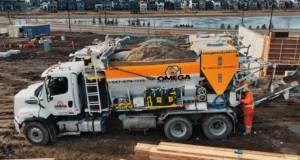
Modern ready-mix and volumetric equipment allows precise pigment dosing, ensuring consistent color from the first truck to the last.
On-Time Delivery and Placement
Timely concrete delivery reduces cold joints and color variation—especially critical for large decorative pours.
Why Choose Omega Ready Mix for Colored Concrete
At Omega Ready Mix, we combine technical expertise with modern equipment to supply high-quality colored concrete across Alberta.
- Experienced team serving residential and commercial projects
- Accurate batching and quality-controlled mix designs
- Reliable delivery for flatwork, driveways, and decorative concrete
- Local knowledge of Calgary and Edmonton climate conditions
Our approach focuses on consistency, performance, and long-term value—so your concrete looks as good years from now as it does on pour day.
Frequently Asked Questions About Colored Concrete
How long does colored concrete last?
When properly installed and maintained, colored concrete can last 30 years or more, matching or exceeding the lifespan of standard concrete.
Will colored concrete fade over time?
Integral color resists fading exceptionally well. Surface treatments may fade slightly but can be refreshed with resealing.
Is colored concrete slippery?
No. Finish texture and sealers can be tailored to provide excellent slip resistance.
Can existing concrete be recolored?
Yes. Stains and dyes can be applied to existing slabs if the surface is in good condition.
Is colored concrete worth the extra cost?
For many homeowners and builders, the improved appearance, durability, and reduced maintenance make it a worthwhile investment.
Final Thoughts: Is Colored Concrete Worth It in Calgary?
Colored concrete offers a powerful combination of durability, design flexibility, and long-term value—especially in Calgary’s demanding climate. By choosing the right coloring method and working with a professional concrete supplier, you can achieve a surface that performs reliably while elevating the look of your property.
Planning a colored concrete project? Contact Omega Ready Mix today to discuss your design goals, get expert guidance, and request a tailored concrete supply quote for your next pour.