In a city like Calgary—where extreme temperature swings, heavy structural loads, and demanding building codes are part of everyday construction—standard concrete often isn’t enough. From high-rise commercial towers to industrial slabs supporting constant equipment traffic, builders increasingly need materials that go beyond the basics. That’s where high-strength concrete applications in Calgary come into play.
High-strength concrete isn’t just about achieving higher compressive strength. It’s about durability, long-term performance, and confidence that a structure will hold up for decades in Alberta’s challenging environment. In this guide, we’ll explore what high-strength concrete really is, why it matters in Calgary, and where it’s most commonly used—backed by real-world construction experience and industry best practices.
What Is High-Strength Concrete?
Definition and Compressive Strength Explained
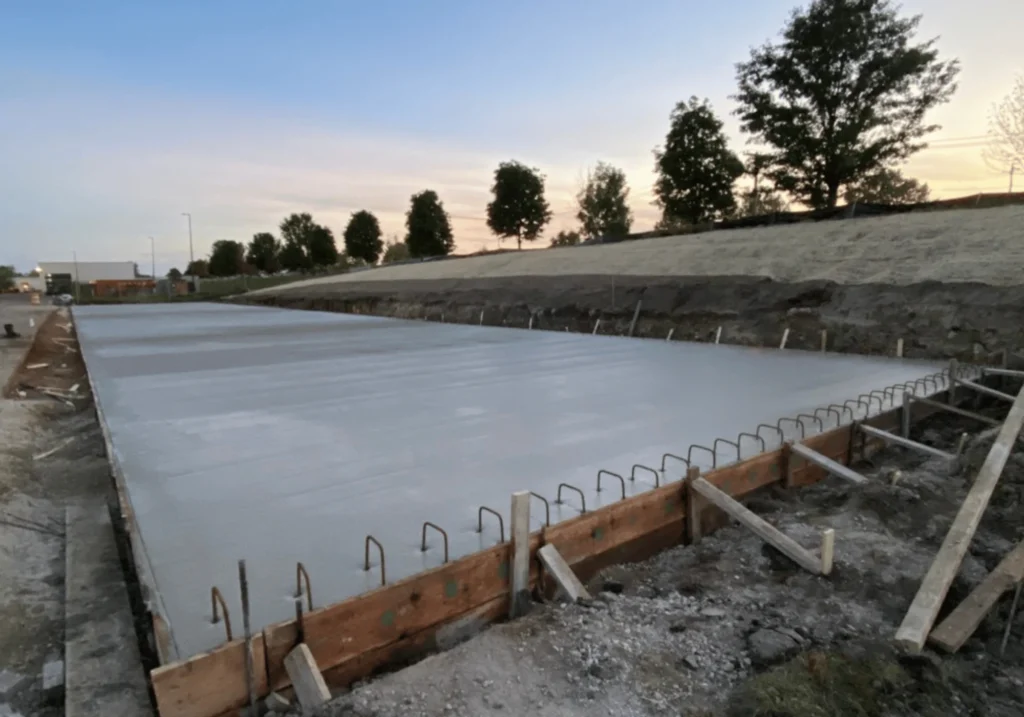
While standard residential concrete typically ranges from 20–30 MPa (3,000–4,500 PSI), high-strength concrete usually starts at around 40 MPa (6,000 PSI) and can exceed 80 MPa (11,600+ PSI) for specialized structural applications.
For a detailed comparison of standard residential concrete strengths, see our comprehensive guide to 3000 vs 4000 vs 5000 PSI concrete and when each specification is appropriate for your project.
Compressive strength measures how much load a concrete element can withstand before failing. In practical terms, higher compressive strength allows engineers and builders to:
- Support heavier loads with smaller structural members
- Reduce cracking under stress
- Increase safety margins in critical structures
According to the American Concrete Institute (ACI), high-strength concrete is commonly used when structural efficiency, durability, or long-span design is required—especially in commercial and infrastructure projects.
Key Components of High-Strength Concrete
Achieving high strength isn’t about adding more cement alone. It requires a carefully engineered mix design where every component plays a role:
- High-quality cement: Often Type GU or specially blended cement with consistent performance.
- Optimized aggregates: Well-graded, clean aggregates with high crushing resistance.
- Supplementary Cementitious Materials (SCMs): Fly ash, slag, or silica fume to improve strength and reduce permeability.
- Advanced admixtures: High-range water reducers (superplasticizers) that increase workability without adding water.
When produced correctly by an experienced supplier like, these components work together to deliver consistent strength, durability, and placement performance—even under tight construction schedules.
Why High-Strength Concrete Is Essential in Calgary
Climate and Freeze-Thaw Resistance
Calgary experiences hundreds of freeze-thaw cycles over the lifespan of a structure. Water that penetrates low-quality concrete can freeze, expand, and cause internal cracking—leading to surface scaling, spalling, and long-term structural damage.
High-strength concrete typically has lower permeability, meaning less water can enter the matrix. This significantly improves resistance to:
- Freeze-thaw damage
- De-icing salts used on roads and parking structures
- Moisture-related deterioration
In Alberta’s climate, durability isn’t a luxury—it’s a requirement.
Load Demands in Urban and Industrial Projects
As Calgary continues to grow vertically and industrial facilities become more equipment-intensive, load demands increase. High-strength concrete is often specified for:
- High-rise columns and core walls
- Parking structures with constant vehicle traffic
- Industrial slabs supporting forklifts, racking systems, and heavy machinery
Using higher-strength mixes allows engineers to design slimmer structural elements without sacrificing safety, which can translate into more usable space and material efficiency.
Compliance With Alberta Building Codes
Modern building codes emphasize performance, safety, and longevity. High-strength concrete helps meet and exceed these requirements by providing predictable structural behavior and long-term durability.
From a lifecycle perspective, investing in high-strength concrete can reduce maintenance costs and extend service life—an important consideration for developers, municipalities, and asset owners alike.
Common High-Strength Concrete Applications in Calgary
Commercial Buildings
Commercial construction is one of the most common areas where high-strength concrete applications in Calgary are specified. Office towers, mixed-use developments, and large retail buildings all benefit from higher compressive strength.
Structural Columns and Beams
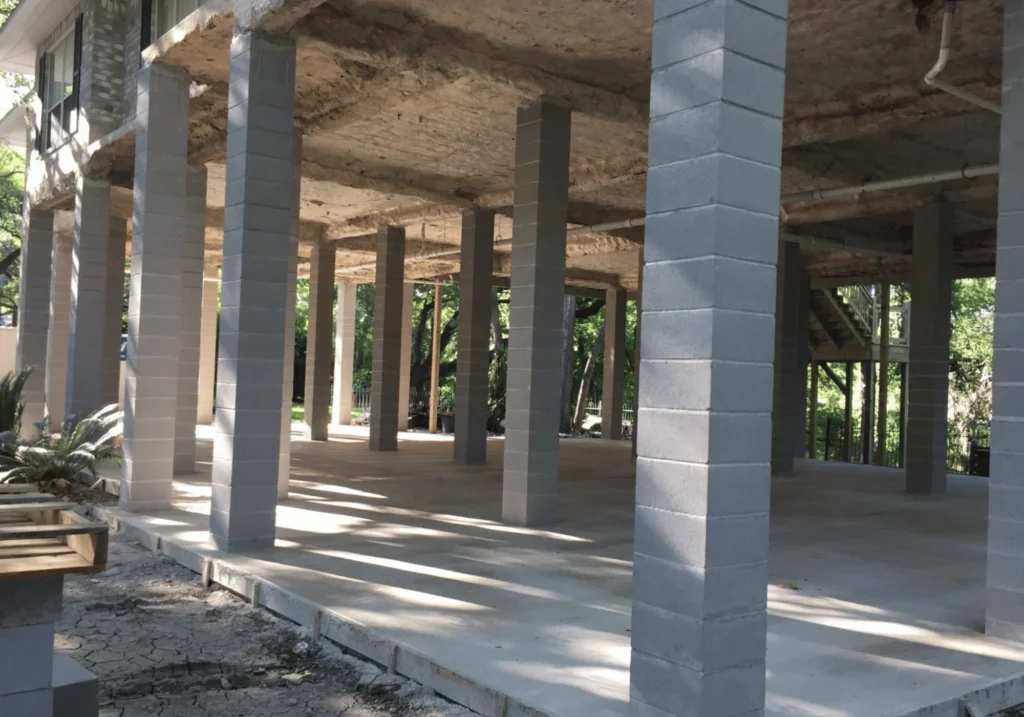
High-strength concrete is frequently used in columns and beams where load concentration is highest. By increasing compressive strength, engineers can:
- Reduce column sizes
- Increase floor-to-ceiling heights
- Improve overall structural efficiency
This is especially valuable in downtown Calgary projects, where maximizing rentable space directly impacts project economics.
Industrial Facilities
Industrial buildings demand concrete that can handle constant abuse. Warehouses, logistics hubs, and manufacturing plants rely on high-strength concrete for both structural elements and floor systems.
Heavy-Duty Slabs and Foundations
High-strength industrial slabs are designed to withstand:
- Heavy forklift and pallet jack traffic
- Point loads from racking systems
- Abrasion from continuous operations
In these environments, standard concrete can crack or deteriorate prematurely, leading to costly repairs and downtime. High-strength concrete combined with steel fiber reinforcement helps avoid these issues by delivering superior load resistance and post-crack performance.
Infrastructure Projects
Calgary’s infrastructure relies heavily on high-strength concrete to support long spans, heavy traffic loads, and long-term durability. Bridges, overpasses, retaining walls, and municipal structures often specify higher compressive strengths to meet safety and longevity requirements.
Long-Span and High-Load Applications
In bridge decks and overpasses, high-strength concrete allows for longer spans with fewer supports. This reduces material usage while improving structural efficiency. Its low permeability also helps protect reinforcing steel from corrosion caused by moisture and de-icing chemicals—one of the leading causes of premature infrastructure failure in cold climates.
Specialized Residential Uses
While high-strength concrete is more common in commercial and industrial projects, it is increasingly used in high-end residential construction across Calgary. Custom homes with large open spans, walkout basements, and structural retaining walls often benefit from higher-strength mixes.
In these applications, high-strength concrete provides added peace of mind—especially for homeowners investing in long-term property value and structural integrity.
Benefits of High-Strength Concrete Over Standard Mixes
Superior Structural Performance
One of the most significant advantages of high-strength concrete is its ability to carry greater loads with less material. This improved performance results in:
- Higher load-bearing capacity
- Reduced deflection under stress
- Improved resistance to cracking
For engineers and builders, this translates into safer, more efficient structural designs.
Durability and Service Life
High-strength concrete typically has a denser internal structure, which reduces permeability and limits the ingress of water and aggressive chemicals. Studies published by the Portland Cement Association show that lower-permeability concrete significantly improves resistance to freeze-thaw damage and corrosion of reinforcing steel.
In Calgary’s climate, this durability advantage can add decades to a structure’s service life.
Cost Efficiency Over Time
While high-strength concrete may have a higher upfront material cost, it often delivers lower total lifecycle costs. Reduced maintenance, fewer repairs, and longer replacement intervals can make it a more economical choice over the life of a building or structure.
Mix Design Considerations for High-Strength Concrete
Balancing Strength and Workability
As compressive strength increases, workability often decreases. Proper mix design is critical to ensure the concrete can still be placed, consolidated, and finished effectively on site.
This balance is typically achieved through:
- Precise water-to-cement ratios
- Advanced superplasticizers
- Carefully selected aggregate sizes
Curing and Quality Control
Curing plays a vital role in achieving target strength. Inadequate curing can prevent high-strength concrete from reaching its designed performance, regardless of mix quality.
Best practices include controlled moisture retention, temperature management, and regular strength testing through cylinder or core samples.
Plant-Optimized Production and Consistency
Consistency is critical for high-strength concrete. Precise batching, quality control protocols, and experienced production teams help ensure every load meets specifications. This level of control is especially important on large or technically demanding projects.
High-Strength Concrete Supply Challenges and Solutions
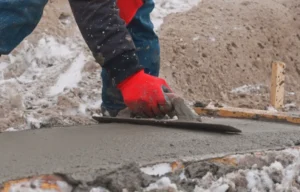
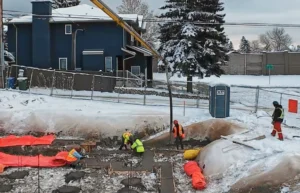
Cold Weather Placement
Cold weather is one of the biggest challenges for concrete placement in Calgary. Low temperatures slow hydration and can compromise early strength development.
Solutions include:
- Heated aggregates and mixing water
- Cold-weather admixtures
- Insulated formwork and curing blankets
Logistics and Scheduling
High-strength concrete often requires precise scheduling to maintain workability and placement quality. Delays can impact finishability and final strength.
Reliable delivery coordination and clear communication between supplier and contractor are essential for success.
The Importance of an Experienced Supplier
High-strength concrete is not a one-size-fits-all product. Experienced suppliers understand how to tailor mix designs to specific applications, weather conditions, and structural requirements—reducing risk and improving outcomes on site.
High-Strength Concrete vs Standard Concrete
| Category | Standard Concrete | High-Strength Concrete |
|---|---|---|
| Typical Strength | 20–30 MPa | 40–80+ MPa |
| Durability | Moderate | High |
| Permeability | Higher | Lower |
| Best Use Cases | Residential flatwork | Commercial, industrial, infrastructure |
| Lifecycle Cost | Lower upfront, higher maintenance | Higher upfront, lower long-term cost |
Frequently Asked Questions About High-Strength Concrete
What PSI is considered high-strength concrete?
High-strength concrete typically starts around 6,000 PSI (40 MPa) and can exceed 11,000 PSI (80 MPa) for specialized applications.
Is high-strength concrete more expensive?
Yes, the upfront cost is usually higher due to specialized materials and mix design. However, the long-term durability and reduced maintenance often offset the initial investment.
Can high-strength concrete be used in winter?
Absolutely. With proper mix adjustments, heating, and curing practices, high-strength concrete can be successfully placed during Calgary’s winter months.
How long does high-strength concrete take to cure?
Initial set times are similar to standard concrete, but full strength development may continue for 28 days or longer, depending on the mix design and curing conditions.
Is high-strength concrete necessary for every project?
Not always. It is best suited for projects with high loads, durability requirements, or structural efficiency goals. A professional assessment can determine whether it’s the right choice.
Why Choose Omega Ready Mix
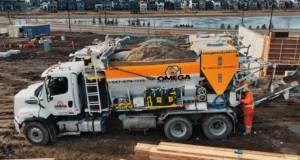
High-strength concrete requires precise batching, quality control, and experienced technical support. At Omega Ready Mix, our custom mixed concrete services are designed specifically for Calgary’s demanding commercial and industrial applications.
Final Thoughts: Is High-Strength Concrete Right for Your Calgary Project?
High-strength concrete applications in Calgary play a critical role in modern construction—from commercial towers and industrial facilities to infrastructure and specialized residential builds. Its superior strength, durability, and long-term value make it an essential solution for demanding environments.
When used appropriately and supplied by an experienced provider, high-strength concrete delivers performance you can rely on for decades.
Considering high-strength concrete for your next project? Speak with a professional concrete supplier to evaluate your structural requirements, climate considerations, and long-term goals—so you can build with confidence from the ground up.