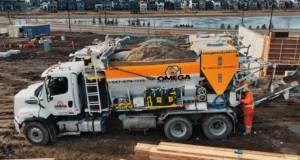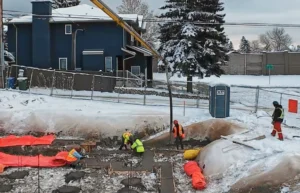
If you’re planning a new build in Inglewood or a renovation in Mount Royal, you’ve likely heard the term “green building” buzzing around. Navigating Calgary’s specific codes and concrete requirements can feel like a maze, especially with the city’s ambitious climate goals. Whether you’re a homeowner in Aspen Woods or a developer in the East Village, understanding these rules is key to a successful, compliant project. This guide breaks down exactly what you need to know about sustainable building in Calgary and how it impacts your concrete choices, from the mix design to the permit office.
Overview of Green Building in Calgary
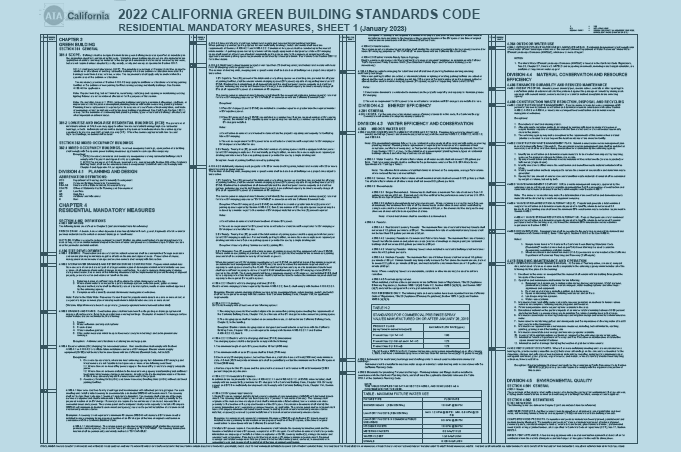
Calgary’s green building framework isn’t a single document but a layered set of codes and bylaws. It starts with national standards, gets filtered through provincial amendments in the Alberta Building Code, and then gets specific with City of Calgary initiatives. For anyone sourcing concrete for a Beltline condo project or a Tuscany home, this hierarchy directly affects your specifications and costs. The goal is a unified push toward energy efficiency, reduced waste, and lower carbon emissions for the long haul.
Bottom line: Your project’s sustainability starts with the codebook, and in Calgary, that means meeting standards that go beyond the basics.
To explore national green building standards and certifications, visit the Alberta’s official building code requirements
National Energy Code of Canada for Buildings
The NECB is the federal baseline for energy performance in new buildings and major renovations. It sets minimum standards for things like insulation, windows, and lighting efficiency to reduce operational energy use. For concrete work, this often means specifying higher-performing building envelopes, which can influence foundation and wall assembly designs. While it’s a national standard, Alberta adopts it with its own specific tweaks and timelines, so it’s the starting point for any Calgary build.
Alberta Building Code 9.36 Requirements
This is where provincial law gets specific. Section 9.36 of the Alberta Building Code mandates energy efficiency for housing and small buildings. It addresses thermal performance, airtightness, and mechanical systems. In practical terms for concrete, this code impacts foundation insulation requirements—like needing continuous insulation on the exterior of basement walls in many Calgary neighbourhoods to prevent thermal bridging. This isn’t just a suggestion; it’s a legal requirement to pass inspection and get an occupancy permit.
Sustainable Building Practices and Trends
Sustainable building in Calgary has moved far beyond just adding extra insulation. It’s a holistic approach that considers materials, construction processes, and the long-term environmental footprint of a structure. From the clay soils in Legacy to the windy ridges in Coventry Hills, local conditions shape which sustainable practices offer the best return. The trend is moving towards buildings that are not just less bad for the environment, but actively good—generating energy, improving air quality, and using resources responsibly.
Eco-Friendly Building Materials
The choice of materials is the first major step toward a greener build. This means looking beyond traditional options to sources with lower embodied carbon—the total greenhouse gas emissions from manufacturing and transport. Locally-sourced materials are a huge win, reducing transportation miles. For framing, this could mean opting for Alberta-grown wood certified by the Forest Stewardship Council (FSC) instead of steel shipped from overseas, depending on the structural and design requirements.
Sustainable Concrete and Innovative Materials
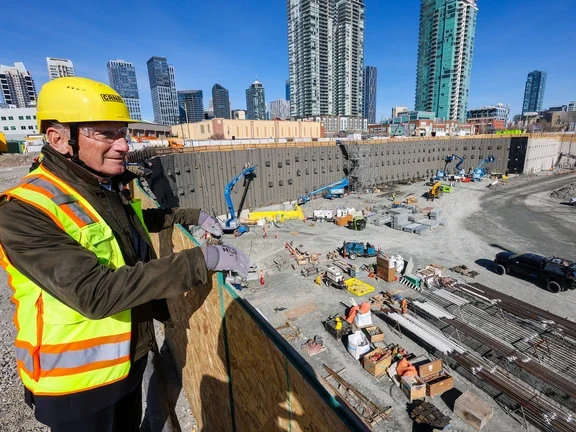
Concrete is the most used man-made material globally, so making it sustainable is critical. Here in Calgary, leading suppliers like OmegaReadyMix are at the forefront of this shift. Sustainable concrete practices include using supplementary cementitious materials (SCMs) like fly ash or slag, which replace a portion of carbon-intensive Portland cement. This not only reduces the mix’s carbon footprint but can also improve its long-term durability against Calgary’s freeze-thaw cycles, making it a smart choice for driveways in Dalhousie or patios in McKenzie Towne.
Recycled Steel, Bamboo, and Other Materials
Innovation extends to other key materials. Recycled steel, for instance, uses significantly less energy to produce than virgin steel and is readily available. Bamboo is gaining traction as a rapidly renewable resource for flooring and cabinetry, though its sourcing and treatment are important for durability in our dry climate. Even insulation has evolved, with options like cellulose (made from recycled paper) or mineral wool offering high performance with recycled content.
City of Calgary Green Building Programs
To accelerate change, the City of Calgary has created specific programs that incentivize and fast-track high-performance building projects. These initiatives are designed to make it easier and sometimes faster for builders and developers who commit to going beyond the minimum code. If you’re undertaking a project near the University District or in the downtown core, tapping into these programs can provide tangible benefits, from reduced permit wait times to recognition that adds market value to your property.
Green Buildings Priority Stream
This program prioritizes the review of development and building permit applications for projects targeting recognized third-party certifications like LEED Gold or Net Zero Energy. Essentially, if you commit to building green, the City moves your application to the front of the line. For large projects with tight timelines, this can be a massive advantage, helping to keep construction schedules on track and financing costs in check.
Permit Acceleration for High-Performance Buildings
Complementing the Priority Stream, this offering provides dedicated support and streamlined pathways for projects that achieve exceptional energy performance. It often involves pre-application meetings with City sustainability experts to smooth out potential compliance issues before formal submission. This proactive approach helps avoid costly redesigns or delays later in the process, ensuring your high-performance vision makes it from blueprint to reality without unnecessary holdups.
Sustainable Technologies Permitting Matrix
New technologies can sometimes face permitting hurdles because they don’t fit neatly into existing code categories. The City’s Sustainable Technologies Permitting Matrix is a guide that clarifies the approval pathway for innovative systems, such as greywater recycling or advanced renewable energy installations. This tool reduces uncertainty for builders who want to incorporate cutting-edge, sustainable features into their Calgary projects, providing a clear roadmap for compliance.
Sustainable Building Guidance and Policies
Beyond permits and programs, the City provides comprehensive guidance documents and forward-looking policies to shape Calgary’s built environment. These resources are invaluable for architects, builders, and developers during the planning stages. They reflect lessons learned from past projects and set the direction for future code advancements, helping you build not just for today’s standards, but for tomorrow’s expectations.
Sustainable Building Guidance Document
This is the City’s official “how-to” manual for sustainable building. It offers best practices, technical details, and case studies relevant to Calgary’s climate and market. It covers everything from integrated design processes and site selection to specific material recommendations. For anyone pouring a foundation in Rocky Ridge or framing a roof in Bridgeland, this document helps translate high-level sustainability goals into actionable, on-site construction details.
Evolving City Needs, Lessons Learned, and Code Advancements
The City’s approach to green building is not static. It evolves based on new data, technological advancements, and lessons learned from completed projects. This continuous improvement cycle means building codes get updated, programs get refined, and guidance becomes more precise. Staying informed on these trends is crucial for any professional in the Calgary construction sector to ensure future-proof designs and avoid obsolescence.
“3T” Sustainable Building Policy

A cornerstone of Calgary’s strategy is the “3T” policy: Target, Track, and Transact. It sets clear performance Targets for City-owned buildings, Tracks their energy and water use for accountability, and uses mechanisms like green leases to enable financial Transactions that reward efficiency. While primarily for municipal assets, this policy framework signals the City’s serious commitment and often trickles down to influence standards and expectations for private sector developments across the city.
Zero Carbon and Energy Efficiency Standards
The ultimate goal of modern green building is to eliminate fossil fuel use and associated greenhouse gas emissions. Calgary has aligned with national ambitions to reach net-zero emissions, creating a clear trajectory for the construction industry. For concrete, this means mixes must become lower carbon. For the whole building, it means designs must achieve unprecedented levels of energy efficiency, often integrating renewable energy generation on-site.
This shift isn’t a distant future concept; it’s shaping the specifications for projects being designed in Calgary today.
Zero Carbon Building Standards
Developed by the Canada Green Building Council, the Zero Carbon Building (ZCB) Standard is a rigorous performance-based certification. It requires a building to have zero carbon balance associated with its operations, achieved through extreme energy efficiency and on-site renewable energy. For a commercial project on Macleod Trail or a multi-family building in West Hillhurst, targeting ZCB certification is a powerful statement of leadership and future resilience.
Zero Carbon Emission Buildings by 2030
Canada’s national commitment is for all new buildings to be net-zero energy ready by 2030. “Net-zero energy ready” means a building is so efficient that it could achieve net-zero energy status with the simple addition of a renewable energy system, like solar panels. This deadline is driving rapid innovation in building science, insulation, window technology, and high-efficiency mechanical systems, all of which must be coordinated from the earliest design phases.
GHG Emissions Reduction During Construction and Operation
Sustainability encompasses the entire building lifecycle. Reducing emissions during construction involves strategies like using electric equipment, optimizing material deliveries to minimize truck idling, and strictly managing construction waste for recycling. Operational reductions are achieved through the building’s design and systems. The concrete foundation and structure play a key role here through thermal mass—helping to regulate indoor temperatures and reduce the load on heating and cooling systems.
Compliance and Certification
How do you prove your building is truly green? Compliance with code is the legal minimum, but third-party certification provides verification, recognition, and often, market advantage. Navigating these certification pathways requires planning and documentation from day one. Whether you’re a homeowner in Evergreen wanting a high-performance home or a contractor building a warehouse in the Foothills Industrial Park, understanding these systems is essential.
LEED Certification and Innovation Credits
LEED (Leadership in Energy and Environmental Design) is the most widely recognized green building certification system globally. Projects earn points across categories like Sustainable Sites, Water Efficiency, and Materials & Resources. Using regional materials, like concrete from a local plant, or recycled content can earn valuable points. Innovation credits are also available for pioneering new techniques, such as using a particularly innovative low-carbon concrete mix from a supplier like OmegaReadyMix.
Green Education Programs
Compliance and certification rely on knowledgeable professionals. Organizations like the Canada Green Building Council offer training and accreditation, such as the LEED Green Associate credential. These programs ensure designers, builders, and tradespeople understand the principles and practices of sustainable construction. Having accredited professionals on your team in Calgary greatly increases the likelihood of a smooth, successful green building project.
Meeting Sustainable Building Restrictions
“Restrictions” here refer to the mandatory requirements woven into zoning bylaws, development permits, and the building code itself. For example, a development permit in a community like Currie Barracks might have specific sustainability conditions attached. Meeting these isn’t optional; it’s a condition of approval. This makes early engagement with the City and careful review of all permit conditions absolutely critical to avoid costly revisions or work stoppages.
FAQ: Calgary Green Building and Concrete
You’ve got questions, we’ve got straight answers. Here are the most common things Calgary builders and homeowners ask about green codes and concrete.
Does using green building practices actually cost more upfront?
There can be a modest premium for some high-performance materials or systems, typically in the range of 2-5% for a certified green build. However, this is offset by significant long-term savings on utility bills and maintenance costs. More importantly, integrated design—where the architect, engineer, and builder collaborate early—often finds efficiencies that keep costs very competitive while boosting performance. The key is to factor sustainability in from the very first sketch, not as an add-on later.
Can I use traditional concrete and still meet green standards?
Yes, but not by sticking with a standard 100% Portland cement mix. To contribute to green standards like LEED or meet aggressive carbon targets, you’ll need to specify a greener concrete mix. This almost always involves using Supplementary Cementitious Materials (SCMs) like fly ash or slag, which reduce the carbon footprint. Discussing mix designs with your concrete supplier during the planning phase is essential to ensure compliance and optimal performance for your specific application in Calgary’s climate.
What’s the single most impactful green feature for a Calgary home?
For our climate, it’s a highly insulated, airtight building envelope. This includes a well-insulated foundation with proper drainage, high-performance windows, and meticulous air sealing. A superior envelope reduces heating and cooling demand more than any other single factor, making the home more comfortable, durable, and cheap to operate. Pair this with a high-efficiency heat source, like a cold-climate heat pump, and you’re well on your way to a top-performing green home.
How do I find a contractor in Calgary who knows green building?
Look for professionals with specific credentials, such as LEED Accredited Professional (AP), Passive House Certified Tradesperson, or who are members of organizations like the Canadian Home Builders’ Association (CHBA) and participate in their Net Zero Home Labelling Program. Ask for examples of past green projects they’ve completed locally and request references. A truly knowledgeable contractor will be able to clearly explain how they’ll meet Calgary’s codes and your sustainability goals.
Conclusion
Calgary’s green building landscape is detailed, but it’s navigable with the right information and partners. From the specific energy requirements in the Alberta Building Code to the incentive programs offered by the City, every layer is designed to create more resilient, efficient, and sustainable buildings for our community. The journey involves thoughtful material selection, innovative concrete mixes, and a commitment to best practices from design through to construction.
Whether you’re tackling a custom home in Springbank Hill or a commercial retrofit along International Avenue, these standards are shaping the future of construction in our city. The key is to plan for sustainability from the start, not treat it as an afterthought. The right concrete mix is a foundational part of that plan, impacting everything from structural integrity to thermal performance and overall carbon footprint.
Now that you know what the codes require and what green building truly entails, the next step is to partner with experts who live this every day in Calgary. For a concrete partner that understands sustainable mixes and local compliance, reach out to OmegaReadyMix. We can help ensure your project’s foundation is not only strong but also aligns with Calgary’s vision for a greener built environment.