
For property owners planning concrete sidewalks and walkways in Calgary, understanding local climate conditions, soil movement, and municipal standards is essential to long-term performance and safety.
In a city like Calgary—where extreme temperature swings, freeze-thaw cycles, and heavy seasonal use are part of everyday life—sidewalks and walkways are more than just a finishing touch. They are critical infrastructure for safety, accessibility, and long-term property value. Yet many homeowners and property managers underestimate how much Calgary’s climate can impact poorly designed or improperly installed walkways.
Cracking, surface scaling, heaving, and slippery winter conditions are common problems when the wrong materials or installation methods are used. This guide explores why concrete sidewalks and walkways in Calgary remain the most reliable option, the different types available, and how smart design choices can dramatically extend lifespan while reducing maintenance costs.
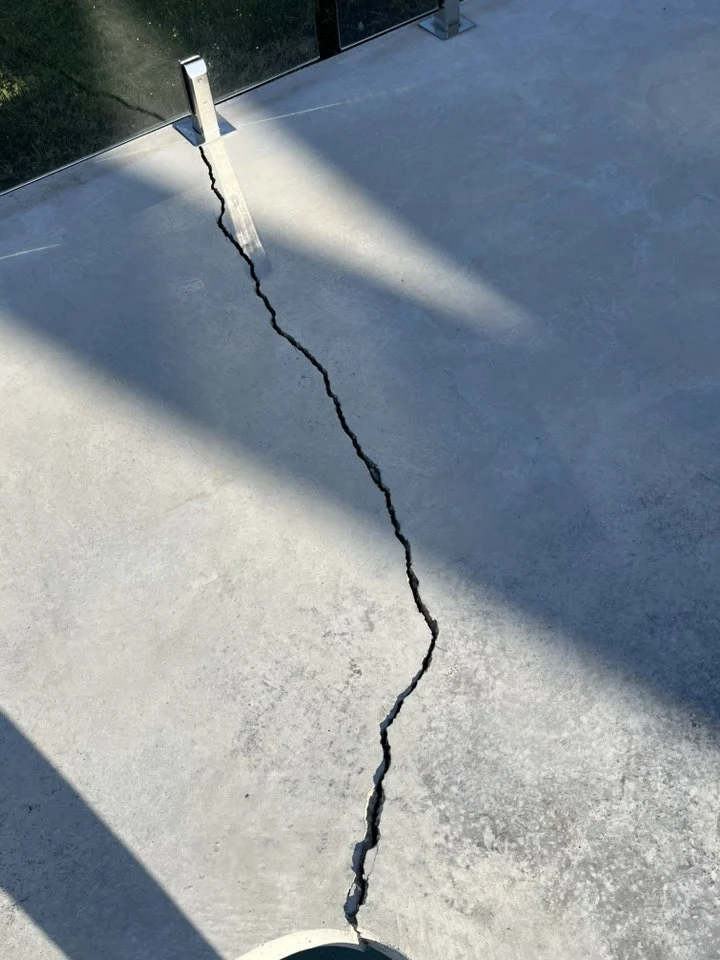
Why Concrete Is the Best Choice for Calgary Sidewalks and Walkways
Built for Calgary’s Freeze-Thaw Climate
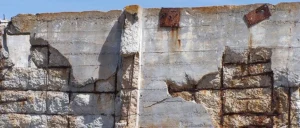
Calgary experiences more than 100 freeze-thaw cycles per year—one of the most challenging environments for exterior concrete in Canada. During these cycles, moisture penetrates the surface, freezes, expands, and then thaws, slowly breaking down weaker materials. According to the American Cement Association, high-quality concrete designed for cold climates includes air-entrainment, which creates microscopic air pockets that allow frozen water to expand without cracking the slab.
When properly mixed, poured, and cured, concrete sidewalks in Calgary can last 30 to 40 years or more. This is why municipalities, commercial developers, and long-term property owners continue to rely on concrete as their primary pedestrian surface.
Lower Lifetime Cost Compared to Alternatives
While concrete may have a slightly higher upfront cost than asphalt or gravel, its long-term value is significantly better. Asphalt typically requires resurfacing every 10–15 years, while pavers may shift or sink without constant maintenance. Concrete walkways, when correctly installed, require minimal upkeep beyond occasional sealing and joint maintenance.
- Longer service life reduces replacement costs
- Minimal annual maintenance
- Higher resistance to de-icing chemicals
For Calgary property owners focused on durability and predictable costs, concrete sidewalks consistently outperform alternative materials over time. Working with experienced providers of professional concrete flatwork services in Calgary ensures proper air-entrained concrete mixes, correct base preparation, and installation techniques specifically designed to withstand local freeze-thaw conditions—delivering sidewalks that can last 30 to 40 years or more.
Safety, Accessibility, and Code Compliance
Concrete provides a stable, slip-resistant surface that can be customized with broom finishes or exposed aggregate to improve traction during winter months. Properly sloped and graded concrete walkways help prevent water pooling, which reduces ice buildup and slip hazards. These same principles of proper grading and drainage apply to concrete driveway construction in Calgary, where managing water runoff and preventing freeze-thaw damage are critical to long-term performance and safety
Concrete is also the preferred material for meeting accessibility standards, including consistent surface transitions, controlled slopes, and curb ramp integration. This makes it ideal for both residential pathways and commercial sidewalks that must meet municipal and accessibility guidelines.
Types of Concrete Sidewalks and Walkways in Calgary
Standard Broom-Finished Concrete Walkways
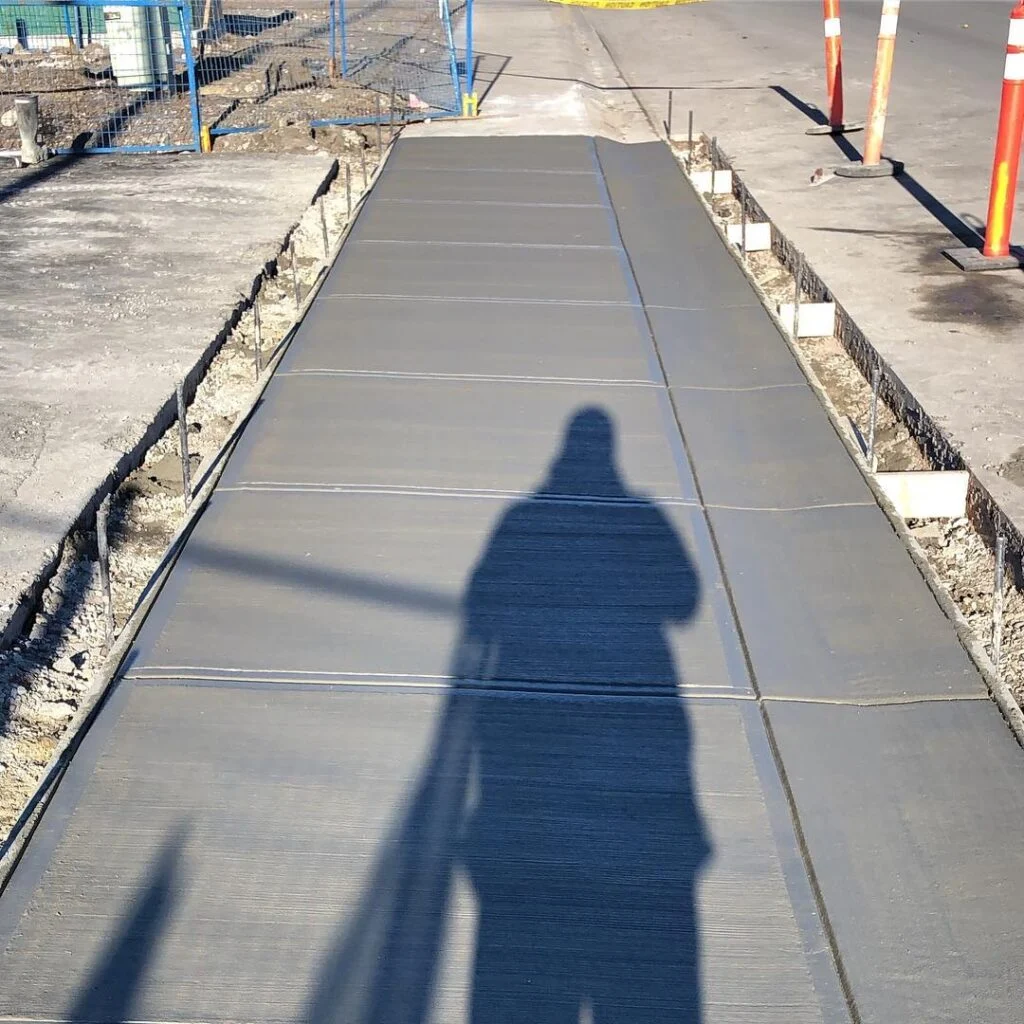
Broom-finished concrete is the most common sidewalk and walkway solution across Calgary. The surface is lightly textured using a broom while the concrete is still fresh, creating subtle grooves that improve traction without sacrificing durability. This finish is widely used for residential sidewalks, driveways, public pathways, and commercial properties due to its affordability, reliability, and compliance with city standards. For comprehensive guidance on broom finish concrete application techniques and other finishing options suitable for Calgary’s climate, proper timing and execution during the finishing stage are critical to achieving optimal surface texture and durability. It performs exceptionally well in winter conditions and is easy to maintain year after year.
Exposed Aggregate Concrete Walkways
Exposed aggregate concrete blends functionality with visual appeal. By washing away the top layer of cement paste, decorative stone and gravel are revealed on the surface. This creates a textured, slip-resistant finish that is well-suited for Calgary’s icy conditions.
Exposed aggregate walkways are commonly used in front entrances, garden paths, and high-visibility commercial areas. They offer improved traction compared to smooth finishes and maintain their appearance even after years of freeze-thaw exposure.
Stamped Concrete Walkways
Stamped concrete walkways are designed to mimic natural stone, brick, slate, or tile while maintaining the structural strength of poured concrete. This option is popular for homeowners looking to enhance curb appeal without sacrificing durability.
In Calgary, stamped concrete must be carefully sealed and maintained to protect against moisture intrusion and surface scaling. When installed correctly by experienced professionals, stamped walkways can provide a long-lasting decorative solution that withstands local climate demands.
Precast Concrete Sidewalk Panels
Precast concrete sidewalk panels are manufactured in controlled environments and delivered to site ready for installation. This approach ensures consistent strength, precise dimensions, and excellent surface quality. Precast solutions are increasingly used for commercial developments, municipal sidewalks, and high-traffic areas where speed and quality control are critical.
For Calgary projects with tight timelines or winter installation constraints, precast concrete walkways offer a reliable alternative to traditional on-site pouring.
Residential vs Commercial Concrete Walkways in Calgary
Residential Sidewalks and Walkways
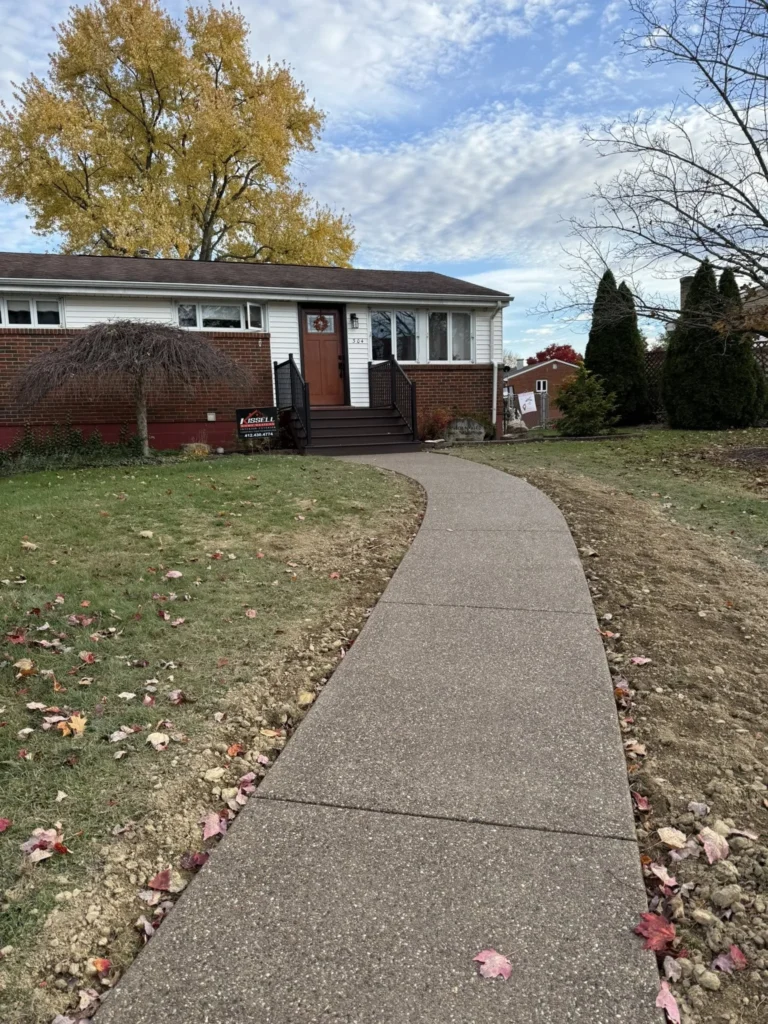
Residential concrete walkways typically connect driveways, front entrances, side yards, and backyard spaces. In Calgary neighborhoods, these walkways must balance aesthetics, durability, and winter safety. Homeowners often prioritize finishes that complement landscaping while still providing slip resistance. Proper base preparation and drainage are especially important in residential settings, where soil movement and frost heave can cause premature cracking if shortcuts are taken. Understanding proper sidewalk concrete thickness specifications ensures walkways are designed to withstand pedestrian traffic and seasonal ground movement without over-engineering.
Commercial and Public Sidewalks
Commercial concrete sidewalks are designed to handle higher foot traffic, snow-clearing equipment, and accessibility requirements. Retail plazas, office buildings, schools, and industrial sites require thicker slabs, reinforced concrete, and precise grading to meet both functional and regulatory standards. In many cases, commercial sidewalks in Calgary are built using reinforced or precast concrete systems by experienced commercial flatwork concrete contractors to ensure long-term performance under demanding conditions.
Accessibility and Pedestrian Flow Considerations
Both residential and commercial walkways must be designed with accessibility in mind. Consistent widths, smooth transitions, and proper slopes improve safety for pedestrians of all ages and abilities. Thoughtful layout design also improves pedestrian flow, reducing wear and minimizing ice buildup during winter months.
Investing in well-designed concrete sidewalks and walkways from the start not only improves safety but also reduces long-term maintenance and liability concerns.
City of Calgary Sidewalk Standards and Permits
Understanding Local Sidewalk Regulations
Concrete sidewalks and walkways in Calgary must comply with City of Calgary standards to ensure safety, durability, and accessibility. These standards typically regulate minimum sidewalk width, slab thickness, slope, and surface finish. For most residential applications, sidewalks must be constructed to withstand pedestrian traffic and seasonal freeze-thaw cycles without compromising structural integrity.
Commercial and public sidewalks often require additional specifications, including thicker slabs, reinforced concrete, and stricter grading tolerances. Following municipal guidelines from the beginning helps prevent costly corrections or delays during inspections.
When Permits and Inspections Are Required
In Calgary, permits are often required when installing or replacing sidewalks that connect to public infrastructure, such as city-owned pathways, curbs, or driveways. Property owners may also need permits when altering sidewalk elevations, widths, or drainage patterns.
Working with experienced concrete professionals helps streamline the permitting process and ensures all work meets city inspection requirements. Proper documentation and compliance protect property owners from future liability issues.
Drainage, Snow, and Ice Management Requirements
Effective drainage is a critical component of sidewalk performance in Calgary. Poor grading can lead to standing water, which quickly turns into ice during winter. City standards emphasize proper slope away from buildings and toward designated drainage areas to minimize these risks.
Well-designed concrete walkways reduce the need for excessive de-icing chemicals, helping preserve surface integrity while improving winter safety.
Concrete Sidewalk and Walkway Cost in Calgary
Average Cost Ranges
The cost of concrete sidewalks and walkways in Calgary varies depending on size, thickness, finish, and site conditions. On average, residential concrete walkways may range from moderate per-square-foot pricing, while commercial sidewalks require higher investment due to reinforcement and regulatory requirements.
Although pricing can vary, concrete remains one of the most cost-effective materials over its lifespan due to its durability and low maintenance needs.
Key Factors That Affect Pricing
- Excavation and site preparation requirements
- Concrete thickness and reinforcement
- Decorative finishes or custom designs
- Accessibility and site logistics
- Seasonal considerations and scheduling
Concrete vs Other Walkway Materials
| Material | Durability | Maintenance | Winter Performance |
|---|---|---|---|
| Concrete | High (30–40+ years) | Low | Excellent |
| Asphalt | Medium | Moderate to High | Fair |
| Pavers | Medium | High | Variable |
Design Considerations for Calgary Walkways
Layout, Flow, and Functionality
A well-designed concrete walkway should guide pedestrian movement naturally while integrating seamlessly with the surrounding landscape. Straight paths offer efficiency, while gentle curves can enhance visual appeal and improve flow around landscaping features.
Drainage and Surface Grading
Proper grading is essential to prevent water pooling and ice formation. Even minor slope adjustments can significantly improve winter safety and extend the life of concrete walkways in Calgary.
Aesthetic Choices and Property Value
Concrete offers a wide range of finish and color options, allowing walkways to complement architectural styles and landscaping designs. Decorative elements can enhance curb appeal and contribute to higher property values without sacrificing durability.
Concrete Sidewalk Installation Process
Site Preparation and Base Compaction
Successful concrete sidewalks begin with proper excavation and base preparation. A well-compacted granular base provides stability, reduces settling, and protects against frost heave.
Forming, Reinforcement, and Pouring
Accurate forming ensures clean edges and proper dimensions. Reinforcement such as rebar or wire mesh adds strength, especially for commercial or high-traffic sidewalks. Concrete must be poured and finished under controlled conditions to achieve optimal strength and surface quality.
Curing and Cold-Weather Protection
Curing is one of the most critical steps in concrete performance. In Calgary’s climate, proper curing methods—including insulation or curing blankets—help prevent surface damage and ensure long-term durability.
Maintenance and Longevity of Concrete Walkways
Sealing and Surface Protection
Sealing concrete walkways helps protect against moisture penetration, staining, and de-icing chemicals. Most surfaces benefit from resealing every few years, depending on usage and exposure.
Crack Control and Early Repairs
Control joints are strategically placed to manage natural expansion and contraction. Addressing minor cracks early prevents water infiltration and extends the lifespan of concrete sidewalks.
Best Practices for Winter Care
Using non-corrosive de-icing products and avoiding excessive salt application helps preserve concrete surfaces. Regular snow removal also minimizes freeze-thaw stress.
Why Choose Omega Ready Mix for Concrete Sidewalks and Walkways
Local Expertise You Can Trust
Omega Ready Mix brings extensive experience supplying concrete solutions designed specifically for Calgary’s climate and soil conditions. This local expertise ensures every sidewalk and walkway is built for long-term performance.
Modern Equipment and Quality-Controlled Supply
With advanced equipment and strict quality control, Omega Ready Mix delivers consistent, high-performance concrete for residential, commercial, and municipal projects across Alberta.
Scalable Solutions for Any Project
From small residential walkways to large commercial sidewalks and precast systems, Omega Ready Mix supports projects of all sizes with reliable service and technical expertise.
Frequently Asked Questions
How thick should a concrete sidewalk be in Calgary?
Most residential sidewalks are typically poured at standard thickness, while commercial sidewalks often require thicker, reinforced slabs to handle increased traffic and equipment loads.
How long do concrete walkways last in Calgary?
With proper installation and maintenance, concrete sidewalks and walkways in Calgary can last 30 to 40 years or more.
Can concrete be poured during colder months?
Yes, with proper cold-weather techniques such as heated materials and curing protection, concrete can be safely installed in cooler conditions.
Do concrete walkways need regular maintenance?
Concrete requires minimal maintenance, primarily sealing and occasional joint inspection, making it one of the lowest-maintenance walkway options available.
Conclusion: Building Safer, Longer-Lasting Walkways in Calgary
Concrete sidewalks and walkways remain the most reliable choice for Calgary’s demanding climate. With the right design, materials, and installation practices, concrete delivers unmatched durability, safety, and long-term value.
Whether for residential pathways or commercial sidewalks, investing in quality concrete solutions reduces maintenance costs and enhances property performance for decades.
Get a Quote for Concrete Sidewalks and Walkways in Calgary
Planning a new sidewalk or walkway project? Contact Omega Ready Mix today to discuss your requirements and receive expert guidance backed by local experience, modern equipment, and dependable service.