
Prepare a job site for concrete pumping is one of the most critical steps to ensure a safe, efficient, and high-quality concrete pour. Without proper site preparation, even the best pump and concrete mix can lead to delays, safety risks, and costly rework. From residential foundations to large-scale commercial slabs, concrete pumps allow crews to place concrete faster, safer, and with far greater precision than traditional chute methods. However, even the most advanced pump and best-quality ready-mix concrete can fail to deliver results if the job site is not properly prepared.
How to Prepare a Job Site for Concrete Pumping (Step-by-Step Guide)
This step-by-step guide shows contractors and site supervisors how to prepare a job site for concrete pumping so equipment setup, concrete placement, and finishing can proceed safely and efficiently without costly delays.
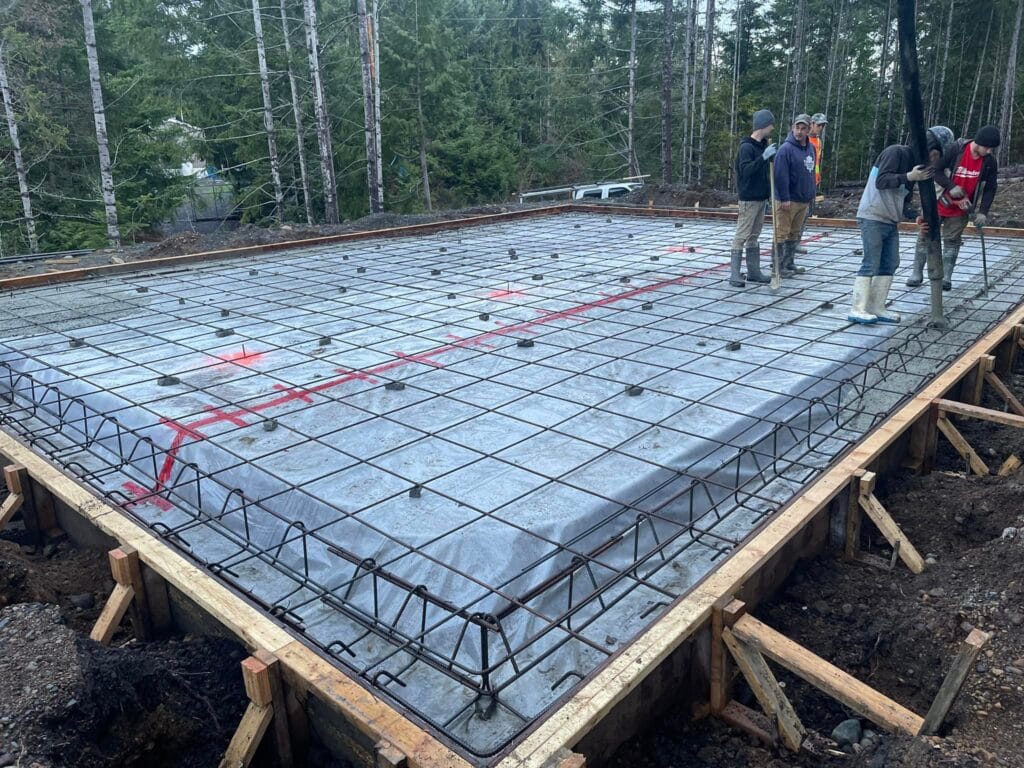
In real-world construction, delays, rejected loads, safety incidents, and added costs are often traced back to one issue: inadequate site preparation. This guide explains how to prepare your job site for concrete pumping step by step, drawing on industry best practices and on-the-ground experience from professional concrete suppliers like . Whether you’re a contractor, site supervisor, or builder, this article will help you avoid costly mistakes and ensure a smooth, efficient pour.
Understanding Concrete Pumping on Modern Job Sites
What Is Concrete Pumping?
Concrete pumping is the process of transporting ready-mix concrete from a truck to its final placement location using a specialized pump. Instead of relying on gravity and chutes, concrete is pushed through pipes or hoses under pressure, allowing it to reach areas that would otherwise be difficult or unsafe to access.
This method is especially valuable on today’s job sites, where tighter footprints, taller structures, and stricter safety requirements are the norm. Concrete pumping is commonly used for:
- Residential basements and foundation walls
- Slabs on grade and elevated slabs
- Commercial buildings and parkades
- Industrial floors and infrastructure projects
Understanding situations where concrete pumping is required helps contractors identify projects early in the planning phase that will need specialized equipment and preparation. These situations typically involve limited site access, long placement distances, large continuous pours, or precision-critical work where traditional chute placement is impractical or impossible.
According to industry studies, pumped concrete placement can reduce labor requirements by up to 30–40% compared to manual placement methods, while also improving consistency and finish quality.
Understanding pumping equipment is essential when you prepare a job site for concrete pumping, as access, ground support, and safety zones all depend on the pump type being used.
Types of Concrete Pumps Used on Job Sites
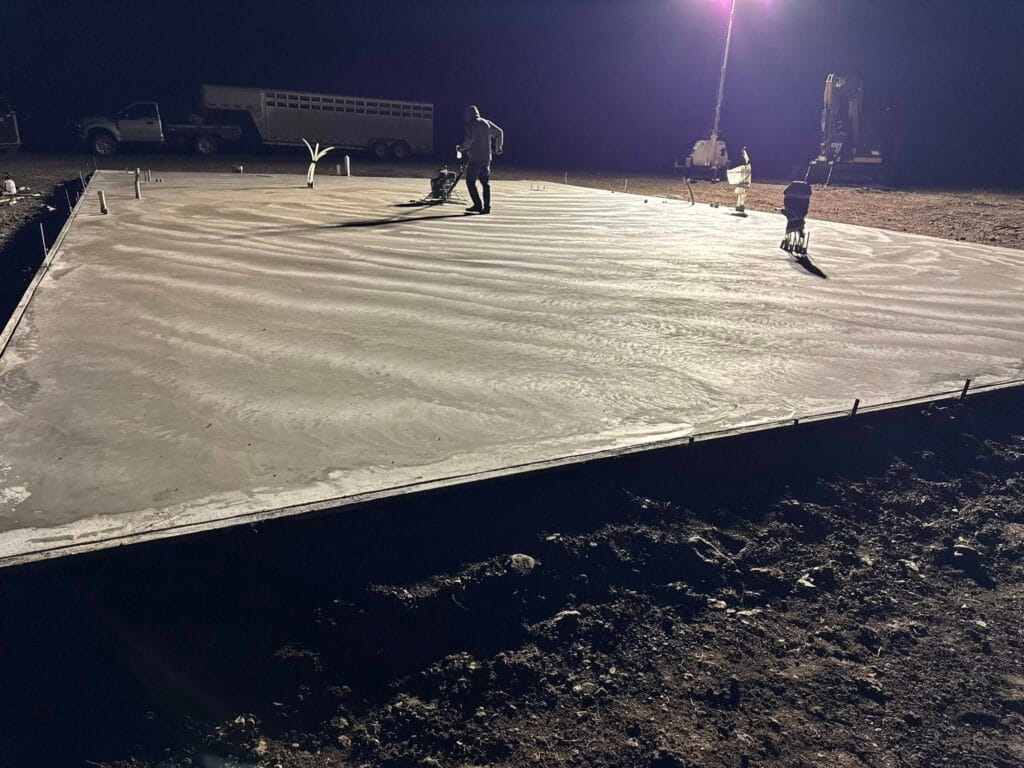
Understanding the type of pump being used is essential when preparing your job site, as each has different access, space, and ground requirements.
- Boom Pumps: Truck-mounted pumps with an articulating hydraulic arm capable of reaching long distances vertically and horizontally. Ideal for large pours, multi-story buildings, and wide slabs.
- Line Pumps: Smaller, more flexible pumps that push concrete through hoses laid along the ground. Best suited for residential projects, tight-access sites, and shorter reach requirements.
Line pumps are particularly valuable for concrete pumping for tight spaces in Calgary, where urban infill projects, narrow residential lots, and fenced backyards require flexible hose routing through areas that larger boom pump trucks cannot access.
Because boom pumps are heavier and require outrigger deployment, they demand more robust ground preparation. Line pumps, while lighter, require careful hose routing and clean-out planning.
Why It’s Important to Prepare a Job Site for Concrete Pumping
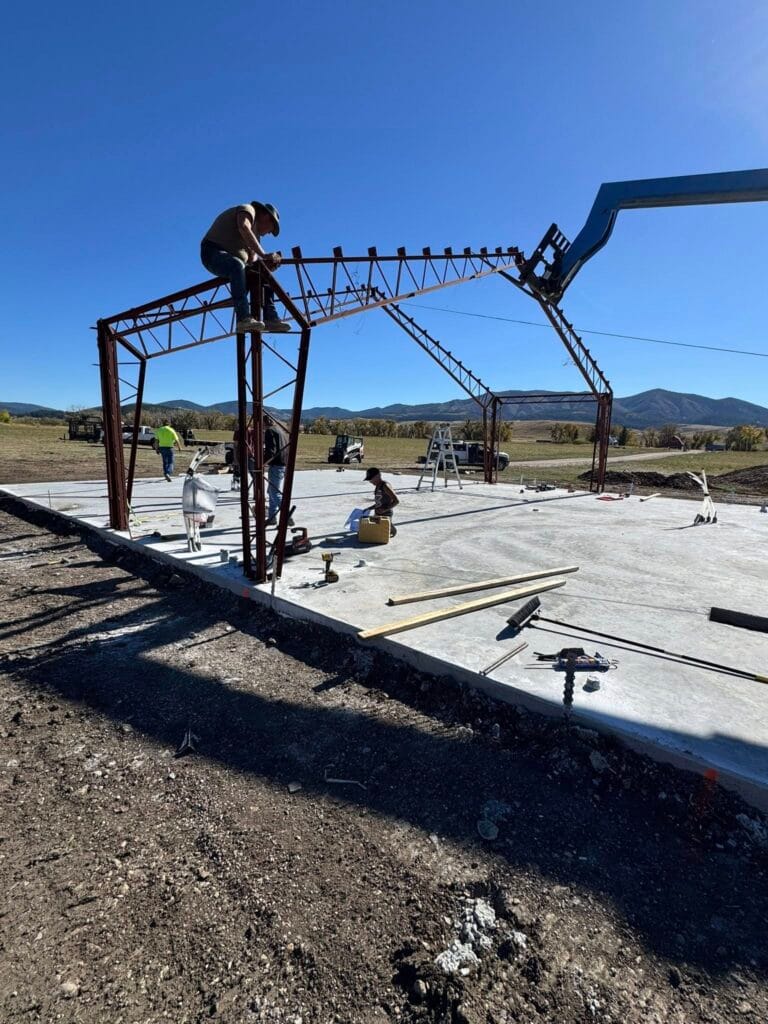
Safety Risks of Poor Preparation
Concrete pump trucks are heavy pieces of equipment. A fully loaded boom pump can weigh over 30,000 kg, and improper ground conditions or inadequate clearance can create serious hazards.
Common safety risks associated with poor preparation include:
- Outrigger settlement or tipping due to soft ground
- Contact with overhead power lines or structures
- Uncontrolled hose movement during pumping
- Workers entering unsafe exclusion zones
Proper ground preparation is non-negotiable when you prepare a job site for concrete pumping, especially for boom pumps that rely on stable outrigger support.
Construction safety authorities consistently identify equipment instability and overhead hazards as leading causes of serious job site incidents. Proper preparation dramatically reduces these risks.
Taking the time to prepare a job site for concrete pumping using Omega Ready Mix Line Pumps significantly reduces safety risks, improves workflow, and protects both workers and equipment on active construction sites.
Cost & Schedule Impacts
From a financial perspective, an unprepared site can quickly turn an efficient pour into an expensive problem. Concrete pumping operations are typically billed by the hour, and delays caused by access issues or last-minute changes can result in:
- Standby and wait-time charges
- Rejected or partially wasted concrete loads
- Extended labor costs for finishing crews
Understanding concrete pump rental costs in Calgary helps contractors budget accurately and recognize that proper site preparation is an investment that prevents these additional expenses. While hourly rental rates vary by equipment type, the cost of delays caused by poor preparation often exceeds the base rental fee.
In cold or hot weather, delays are even more critical, as concrete has a limited workable time before quality is compromised.
Quality of the Final Pour
Proper site preparation directly affects the quality of the finished concrete. When pumping runs smoothly, concrete is placed consistently, reducing segregation and cold joints. This leads to stronger, more durable slabs and walls, and better long-term performance.
Common Mistakes When You Don’t Prepare a Job Site for Concrete Pumping
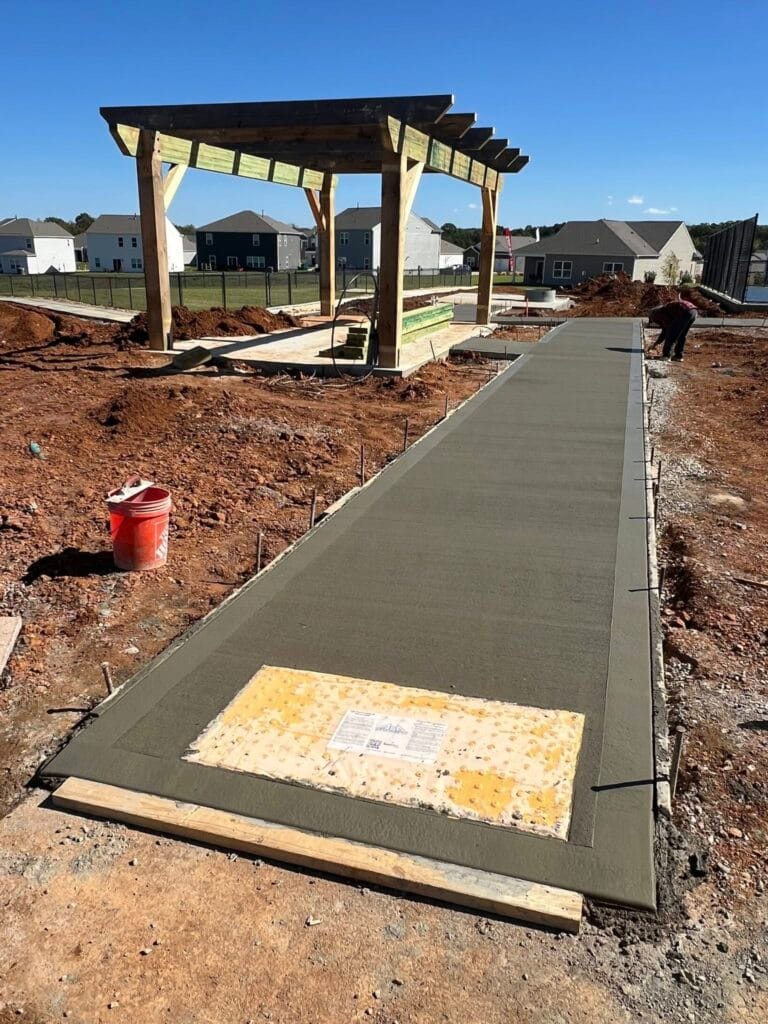
- Last-minute access changes that delay pump setup
- Inadequate ground support for pump outriggers
- Poor communication with the pump operator
- No designated safety or exclusion zones
- Missing clean-out planning for hoses and washout
Pre-Pour Planning: What to Do Before the Pump Arrives
Pre-pour planning is a critical phase when you prepare a job site for concrete pumping, as it determines equipment selection, scheduling, and crew readiness on pour day.
Confirm Pour Details With Your Concrete Supplier
Effective preparation starts days—not hours—before the pump truck arrives. Contractors should confirm all critical details with their concrete supplier, including:
- Total volume of concrete required
- Specified mix design and slump
- Type of pump being used (boom or line)
- Estimated pumping duration
Clear communication at this stage helps suppliers match the right equipment and crew to your project.
Schedule Coordination
Timing is everything on pour day. The pump should arrive shortly before the first concrete truck, and finishing crews must be ready as soon as placement begins. Poor scheduling often results in trucks waiting on site or concrete sitting too long before placement.
Experienced contractors build buffer time into their schedules while still ensuring continuous concrete flow once pumping starts.
Permits, Traffic & Access Planning
For urban job sites, preparation may extend beyond the property line. You may need to arrange:
- Temporary street or lane closures
- Parking restrictions for pump setup
- Coordination with neighboring properties
Failing to address these factors in advance can prevent the pump from accessing the site altogether.
Site Access Requirements for Concrete Pump Trucks
Access Road & Driveway Conditions
Concrete pump trucks require clear, stable access routes. Driveways, access roads, and site entrances must be wide enough to accommodate large vehicles and strong enough to support their weight.
As a general guideline:
- Access routes should be free of sharp turns and overhead obstructions
- Ground or pavement must be capable of supporting heavy axle loads
- Soft soil, mud, or snow should be addressed before arrival
Gate, Fence & Obstruction Removal
Temporary fencing, stored materials, or debris often block ideal pump placement areas. These should be removed or relocated before pour day. Even small obstructions can force last-minute repositioning that delays the entire operation.
Urban vs. Rural Site Considerations
Urban sites often face tight access and limited setup space, while rural sites may struggle with soft ground or long travel distances. Each environment requires different preparation strategies, but both benefit from early coordination with the pump operator.
Ground Preparation for Pump Setup
Load-Bearing Ground Requirements
The ground beneath a concrete pump must be firm, level, and capable of supporting concentrated loads from outriggers. Uncompacted fill, thawing soil, or saturated ground can lead to dangerous settlement.
Best practices include:
- Compacting soil in advance
- Using gravel bases where necessary
- Avoiding setup near excavations or trench edges
Outrigger Pad Placement
Boom pumps rely on outriggers for stability. Steel plates or heavy timber mats are commonly used to distribute loads evenly and prevent sinking. These pads should be placed on level ground, with adequate clearance on all sides.
Weather-Related Ground Issues
Weather plays a major role in site readiness. Rain, snowmelt, or freeze-thaw cycles can rapidly change ground conditions. Monitoring forecasts and adjusting preparation plans accordingly is a hallmark of experienced site management.
Up next: In the second half of this guide, we’ll cover safety zones, hose management, pump-friendly mix design, crew responsibilities, common mistakes to avoid, a full job-site checklist, and FAQs—along with a clear call to action for your next concrete pour.
Setting Up Safe Pumping Zones on the Job Site
Once the pump is positioned and the ground is properly prepared, the next critical step is establishing safe pumping zones. Concrete pumping involves high pressures, heavy equipment, and moving components, making clearly defined safety areas essential for protecting workers and maintaining compliance.
Establishing Exclusion & Safety Zones
A designated exclusion zone should be set up around the pump truck, outriggers, and hose connections. Only essential personnel—such as the pump operator and designated spotters—should be allowed inside this area.
- Use cones, barricades, or caution tape to mark restricted areas
- Post clear signage indicating active pumping operations
- Ensure all workers understand site-specific safety rules
Industry safety data shows that clearly marked exclusion zones can reduce equipment-related incidents by more than 50%, particularly on busy commercial sites.
Overhead Hazards & Clearance
Overhead hazards are one of the most serious risks associated with concrete pumping. Power lines, scaffolding, and tree branches must be identified and addressed before setup.
Minimum clearance distances from overhead power lines are regulated and must always be respected. If adequate clearance cannot be achieved, the pour should be postponed until conditions are made safe.
Crew Communication & Visibility
Clear communication between the pump operator and placement crew is essential. Hand signals, two-way radios, or designated spotters help ensure smooth coordination, especially when visibility is limited.
Line Pump & Hose Management Preparation
Hose Routing & Protection
For line pumps, proper hose layout is just as important as pump placement. Hoses should be routed in a way that minimizes sharp bends and avoids high-traffic areas.
- Lay hoses on stable ground or protective mats
- Avoid dragging hoses across finished surfaces
- Secure hoses to prevent sudden movement during pumping
Careful hose management not only improves safety but also reduces the risk of blockages and uneven concrete flow.
Hose routing and clean-out planning are often overlooked steps when contractors prepare a job site for concrete pumping, yet they directly impact safety and efficiency.
Clean-Out Area Planning
Every concrete pumping operation requires a designated clean-out area for residual concrete and wash water. This area should be:
- Clearly identified before pumping begins
- Environmentally compliant and contained
- Accessible without disrupting other site activities
Proper clean-out planning helps avoid environmental violations and keeps the job site organized.
Concrete Mix Design Considerations for Pumping
Pump-Friendly Mix Characteristics
Not all concrete mixes are equally suitable for pumping. A pump-friendly mix must balance strength, workability, and flow. Key characteristics include:
- Appropriate slump for consistent flow
- Well-graded aggregates with suitable maximum size
- Admixtures that enhance workability without segregation
Studies by concrete research organizations indicate that properly designed pump mixes can reduce line pressure and improve placement consistency, leading to better overall finish quality.
Coordinating Mix Design With the Pump Operator
Communication between the contractor, concrete supplier, and pump operator is critical. Sharing details about hose length, vertical rise, and placement method allows the mix to be adjusted if needed, reducing the risk of blockages or downtime.
Crew Readiness & Responsibilities on Pour Day
Roles & Responsibilities
A successful concrete pour depends on every crew member understanding their role. Typical responsibilities include:
- Site Supervisor: Overall coordination and safety oversight
- Pump Operator: Equipment setup, operation, and monitoring
- Placement Crew: Guiding concrete into forms and ensuring even distribution
- Finishing Team: Screeding, floating, and final surface treatment
Tools & Equipment Checklist
Before pumping begins, ensure all necessary tools are on site and ready:
- Concrete vibrators
- Rakes, screeds, and floats
- Personal protective equipment (PPE)
- Backup tools in case of equipment failure
Common Job Site Mistakes to Avoid
Last-Minute Access Changes
Changing pump placement or access routes on pour day often leads to delays and safety risks. Finalize access plans well in advance.
Inadequate Ground Support
Failing to prepare stable ground is one of the most common causes of pump refusal. Never assume the ground is “good enough.”
Poor Communication With the Pump Operator
Lack of coordination can result in inconsistent flow, wasted concrete, and extended pour times.
Underestimating Pour Time
Rushing a pour increases the risk of mistakes. Build realistic timelines that account for setup, placement, and finishing.
Residential vs Commercial Job Site Preparation
Residential Foundations & Slabs
Residential sites often involve tighter access, nearby homes, and limited staging areas. Extra attention must be given to protecting finished surfaces and coordinating with homeowners.
Commercial & Industrial Projects
Commercial sites typically require larger pumps, more extensive safety planning, and coordination with multiple trades. While more complex, these sites benefit greatly from structured preparation processes.
Checklist to Prepare a Job Site for Concrete Pumping
Use the following checklist to prepare a job site for concrete pumping and confirm that access, ground conditions, safety zones, and crew readiness are fully addressed.
- Access routes cleared and confirmed
- Ground compacted and level for pump setup
- Outrigger pads or mats in place
- Safety and exclusion zones established
- Hose routing and clean-out area planned
- Crew, tools, and PPE ready
Frequently Asked Questions (FAQ)
How much space does a concrete pump truck need?
Space requirements vary by pump type, but boom pumps generally require more room for outriggers and boom movement than line pumps.
Can a concrete pump operate on gravel or dirt?
Yes, provided the ground is properly compacted and supported with pads or mats to prevent settlement.
What happens if the site isn’t ready when the pump arrives?
The pump may be unable to set up safely, leading to delays, standby charges, or cancellation of the pour.
How far can a concrete pump reach?
Modern boom pumps can reach over 50 metres vertically and more than 60 metres horizontally, depending on the model.
Who is responsible for site preparation?
Site preparation is typically the responsibility of the contractor or site supervisor, in coordination with the concrete supplier and pump operator.
Conclusion: Set Your Pour Up for Success
Knowing how to prepare your job site for concrete pumping is one of the most effective ways to ensure a safe, efficient, and high-quality concrete pour. From early planning and access coordination to ground preparation and crew readiness, each step plays a vital role in the overall success of the project.
Well-prepared sites experience fewer delays, improved safety outcomes, and better concrete performance—saving time and money in the long run.
Ready to plan your next pour? Contact our concrete team early to coordinate with your pump operator and treat site preparation as a critical phase of your construction process. A little preparation goes a long way toward a successful concrete pumping operation.