
When Do You Need a Concrete Pump Calgary?
When do you need a concrete pump Calgary homeowners and contractors often ask when planning a pour in tight urban lots, winter conditions, or large commercial projects. Understanding when concrete pumping is required can save time, reduce labour costs, and prevent costly placement issues.
The short answer is: not always—but when you do need one, a concrete pump can save you time, money, and serious headaches. This guide breaks down exactly when you need a concrete pump in Calgary, how it works, and why it often becomes the smartest choice for both residential and commercial projects.
What Is a Concrete Pump and How Does It Work?
A concrete pump is specialized equipment designed to transport ready-mix concrete from the truck directly to where it needs to be placed—quickly, efficiently, and with precision. Instead of relying on gravity-fed chutes or manual wheelbarrowing, pumping uses controlled pressure to move concrete through hoses or a boom arm.
Concrete Pumping Explained Simply
In practical terms, concrete pumping works like this:
- Ready-mix concrete is discharged into a hopper on the pump.
- The pump uses hydraulic pressure to push the concrete through steel pipes or rubber hoses.
- The concrete is delivered exactly where it’s needed—whether that’s 100 feet away, below grade, or several storeys high.
This method allows for continuous, consistent placement, which improves both speed and concrete quality.
Difference Between Ready-Mix Delivery and Pumping
Standard ready-mix trucks rely on chutes that typically reach only 10–15 feet. If the pour location is farther than that, crews must move concrete manually—an approach that is slow, labour-intensive, and risky for quality control.
Concrete pumping eliminates these limitations by:
- Reducing manual handling
- Minimizing segregation of the mix
- Allowing precise placement in difficult locations
- Speeding up overall pour time
Common Concrete Pump Types Used in Calgary
Most Calgary projects use one of the following pump types:
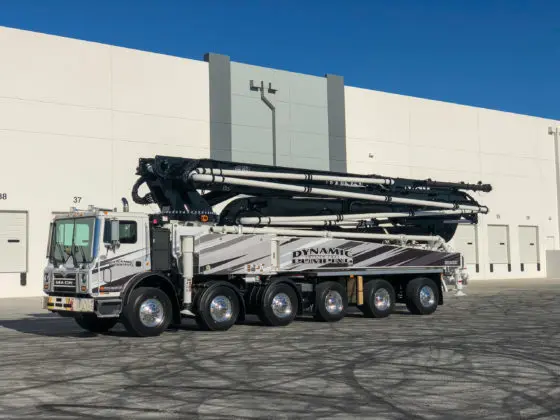
- Boom pumps – Truck-mounted pumps with a robotic arm for long reach and vertical placement
- Line pumps – Flexible hose systems ideal for residential and tight-access sites
- Trailer pumps – Compact units for smaller, specialized jobs
Key Situations Where You Need a Concrete Pump
Understanding when do you need a concrete pump Calgary sites require pumping is especially important when access is limited or manual placement would compromise quality.
While not every concrete job requires pumping, certain conditions make it the most practical—or only—viable option.
Limited or No Site Access
Knowing when do you need a concrete pump Calgary helps avoid delays when truck access is restricted or manual placement is impractical.
Many Calgary properties, especially infills and older neighbourhoods, offer limited access from the street. If a concrete truck cannot physically get close to the pour location, pumping becomes essential.
Common access challenges include:
This is where concrete pumping for tight spaces in Calgary becomes essential—allowing crews to navigate narrow side yards, fenced backyards, and congested urban lots where traditional concrete placement methods simply cannot work.
- Narrow driveways or alley access
- Backyard pours behind existing homes
- Fences, trees, or retaining walls
- Overhead power lines or structures
In these cases, a line pump can route hoses around obstacles, while a boom pump can reach over buildings or fences with ease.
Long Horizontal or Vertical Distances
Concrete pumping is often required when the pour location is far from the truck—either horizontally or vertically.
Examples include:
- Basement slabs and foundation walls
- Suspended slabs and elevated decks
- Multi-storey commercial structures
Pumping ensures consistent flow and proper consolidation, even at extended distances.
Large or Continuous Concrete Pours
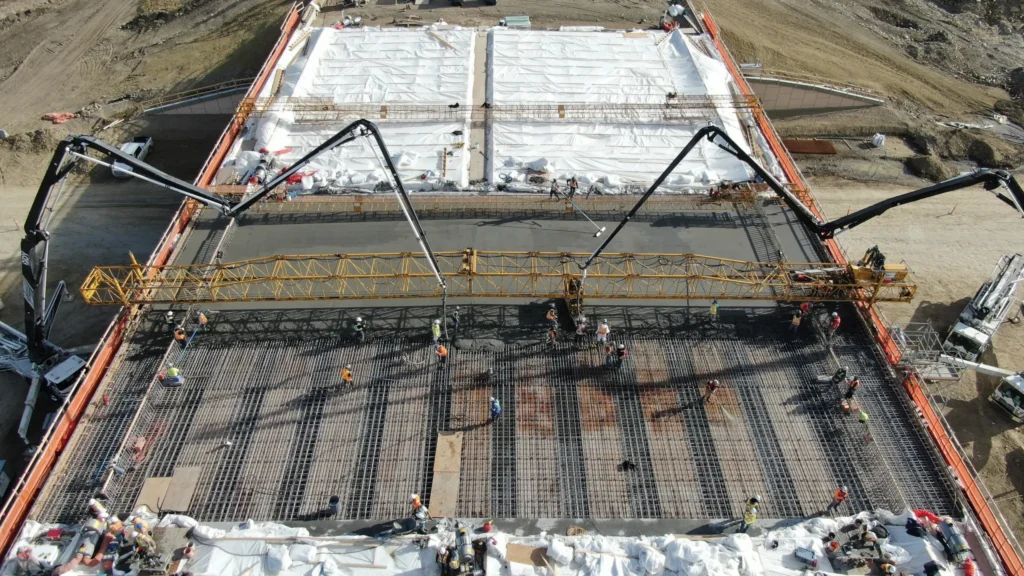
For large pours, maintaining a steady placement rate is critical. Stopping and starting can lead to cold joints, surface defects, and structural weaknesses.
Concrete pumps are commonly used for:
- Foundations and footings
- Slabs-on-grade
- Warehouse and industrial floors
- Structural walls and columns
According to industry data from the American Concrete Pumping Association, pumped concrete can reduce placement time by up to 50% compared to manual methods—while also improving overall quality.
Precision-Critical Concrete Work
Some pours demand a high level of accuracy. Pumping allows crews to place concrete exactly where it’s needed without overpouring or disturbing reinforcement.
This is especially important for:
- Structural elements
- Precast connections and embeds
- Architectural concrete features
When do you need a concrete pump Calgary residential projects typically require pumping when access, distance, or placement quality becomes a concern. While small pours can sometimes be completed using truck chutes, many Calgary homes—especially infill and inner-city properties—present conditions where pumping.
When Do You Need a Concrete Pump Calgary for Residential Projects?
When do you need a concrete pump Calgary residential projects typically require pumping when access, distance, or placement quality becomes a concern. While small pours can sometimes be completed using truck chutes, many Calgary homes—especially infill and inner-city properties—present conditions where pumping. For homeowners, understanding when do you need a concrete pump Calgary ensures concrete is placed efficiently without damaging existing structures or landscaping.
Residential Projects That Typically Require Concrete Pumping
Homeowners are often surprised to learn how many residential projects benefit from concrete pumping—especially in Calgary’s growing urban core.
Basement & Foundation Walls
Foundation work is one of the most common reasons homeowners need a concrete pump. Below-grade placement, tight excavation spaces, and the need for consistent consolidation all make pumping the safest option.
Benefits include:
- Better compaction around rebar
- Reduced honeycombing
- Faster placement in cold weather
Driveways, Patios & Sidewalks
Even flatwork can require pumping when access is limited. For example, backyard patios or side yards often sit far beyond chute reach.
Pumping helps:
- Protect landscaping and finished surfaces
- Reduce mess and cleanup
- Speed up placement for better finishing results
Garage Pads & Home Additions
Garage slabs and additions frequently sit behind existing structures. A line pump can easily deliver concrete around corners and through narrow access points without disrupting the property.
Backyard Concrete Projects
Projects such as retaining walls, garden suites, and pool decks almost always require pumping due to distance and access constraints.
In these scenarios, pumping is not a luxury—it’s often the only practical solution.
Summary: Key Takeaways So Far
- Concrete pumps are essential when access, distance, or precision is an issue.
- They improve placement speed, quality, and safety.
- Many residential Calgary projects benefit from pumping—even smaller pours.
In the next section, we’ll dive deeper into commercial and industrial projects, compare boom pumps vs line pumps, and explore Calgary-specific factors like winter pouring and urban density.
Need help deciding if your project requires a concrete pump? Contact Omega Ready Mix for expert guidance and coordinated ready-mix and pumping solutions tailored to Calgary conditions.
Commercial & Industrial Projects That Require Concrete Pumping
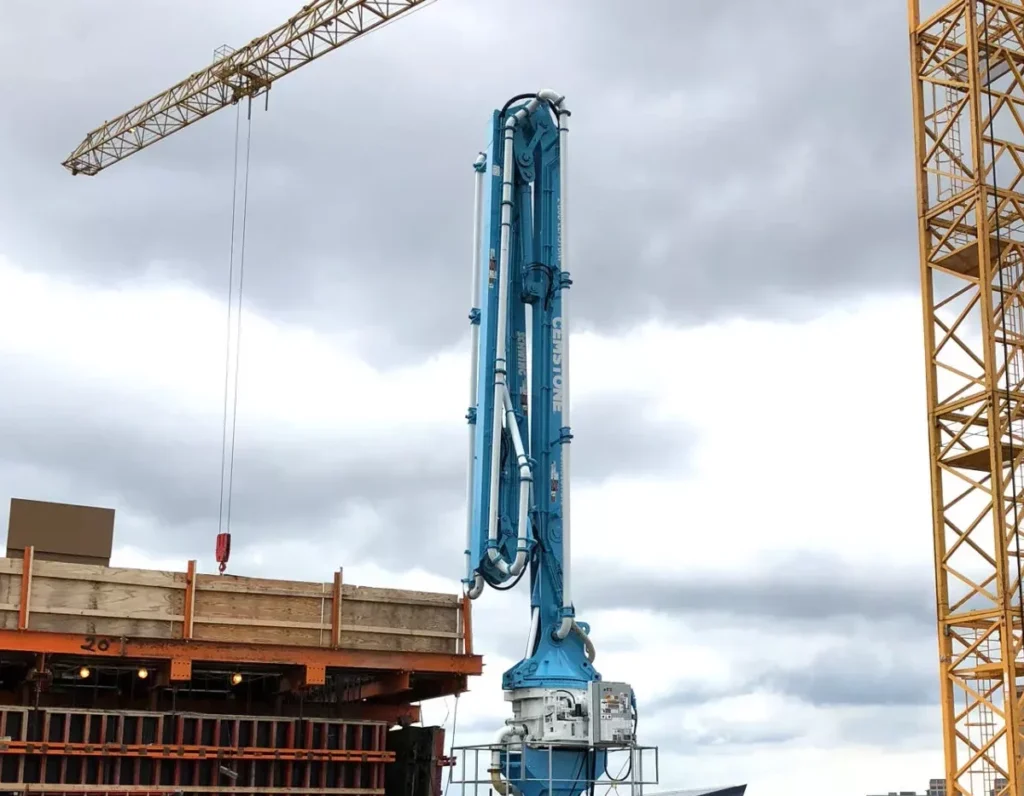
For large-scale construction, knowing when do you need a concrete pump Calgary commercial projects demand helps contractors maintain speed, safety, and consistent concrete placement.
Contractors often evaluate when do you need a concrete pump Calgary on commercial sites where volume, height, and speed are critical.
In commercial and industrial construction, concrete pumping is less of an option and more of a standard practice. These projects typically involve higher volumes, stricter schedules, and tighter quality controls—areas where pumping delivers clear advantages.
Multi-Storey Buildings
For multi-storey residential, office, or mixed-use developments in Calgary, gravity placement is simply not feasible. Concrete must be delivered vertically with speed and consistency.
Boom pumps are commonly used on these sites because they:
- Reach upper floors safely and efficiently
- Allow continuous placement without rehandling
- Reduce labour requirements and congestion on site
Warehouses & Large Slabs
Industrial floors and warehouse slabs demand uninterrupted pours to maintain surface flatness and structural integrity. Pumping supports high-volume placement while keeping crews focused on finishing rather than moving concrete.
For large slabs, pumping helps:
- Maintain consistent slump and workability
- Prevent cold joints
- Meet tight pour windows
Infrastructure & Municipal Projects
Municipal and infrastructure projects often come with traffic restrictions, limited staging areas, and strict safety requirements. Concrete pumps allow placement from a distance, reducing disruption and improving site safety.
Boom Pump vs Line Pump: Which One Do You Need?
Choosing between a line pump and boom pump depends on your project’s specific requirements, including site access, reach needed, pour volume, and budget constraints.
Choosing the right pump is just as important as deciding to pump in the first place. The two most common options—boom pumps and line pumps—serve different needs.
Boom Pumps
Boom pumps are truck-mounted units with an articulated arm that can reach long distances both horizontally and vertically.
They are ideal for:
- High-rise and multi-storey construction
- Large commercial pours
- Projects requiring fast setup and long reach
Line Pumps
Line pumps use flexible hoses that can be routed through tight spaces, around buildings, or down into excavations.
They are commonly used for:
- Residential foundations
- Backyard and infill projects
- Smaller commercial pours
Comparison Table: Boom Pump vs Line Pump
| Feature | Boom Pump | Line Pump |
|---|---|---|
| Reach | Very long (vertical & horizontal) | Moderate (hose-based) |
| Setup Speed | Fast | Moderate |
| Best For | Large commercial projects | Residential & tight access |
| Cost Range | Higher | Lower |
Calgary-Specific Factors That Affect the Need for a Concrete Pump
Concrete work in Calgary isn’t just about the project—it’s about the environment and regulations surrounding it.
Winter & Cold Weather Conditions
Calgary’s long winters make speed critical. Pumping reduces the time concrete is exposed to cold temperatures, helping maintain proper curing conditions.
Faster placement also supports:
- Effective use of heated enclosures
- Reduced risk of freezing
- Better strength development
Urban Density & Narrow Lots
Inner-city neighbourhoods often feature narrow lots, limited parking, and minimal staging areas. Pumping allows concrete to be placed without blocking roads or disturbing adjacent properties.
Local Bylaws & Site Restrictions
Traffic control, noise bylaws, and site access permits can all impact concrete delivery. Pumping minimizes truck movement and shortens on-site time, helping projects stay compliant.
Cost Considerations: Is a Concrete Pump Worth It?
Typical Concrete Pumping Costs in Calgary
Understanding the cost of renting a concrete pump in Calgary helps contractors and homeowners budget accurately for their projects. Concrete pumping is usually priced by the hour, with minimums depending on pump type. While it adds an upfront cost, it often reduces total project expenses.
Concrete pumping is usually priced by the hour, with minimums depending on pump type. While it adds an upfront cost, it often reduces total project expenses.
Cost vs Labour Comparison
When comparing pumping to manual placement, consider:
- Smaller crew requirements
- Shorter pour durations
- Lower risk of rework or repairs
Hidden Costs of Not Using a Pump
Skipping pumping when it’s needed can lead to:
- Delayed pours
- Inconsistent consolidation
- Structural deficiencies
- Higher long-term maintenance costs
Signs You Definitely Need a Concrete Pump
Quick Checklist
- The truck cannot reach the pour location
- The pour is below grade or elevated
- The project requires continuous placement
- Site access is restricted or congested
- Quality and finish are critical
How Omega Ready Mix Supports Concrete Pumping Projects
At Omega Ready Mix, concrete pumping is not treated as an afterthought—it’s part of an integrated approach to quality placement.
Integrated Ready-Mix and Pump Coordination
Coordinating concrete supply and pumping reduces delays, ensures consistent mix performance, and keeps pours running smoothly.
Experienced Operators & Modern Equipment
Professional pump operators understand flow rates, placement techniques, and site safety—ensuring concrete is placed correctly the first time.
Serving Calgary & Surrounding Areas
From residential foundations to commercial and precast-related pours, Omega Ready Mix supports projects across Calgary and nearby communities with dependable service.
Common Mistakes When Deciding on Concrete Pumping
Underestimating Distance or Volume
Many projects start without pumping planned—only to realize too late that manual placement isn’t feasible.
Choosing the Wrong Pump Type
Selecting a pump that’s too small or poorly suited can cause delays and quality issues.
Waiting Until Pour Day to Decide
Late decisions often result in scheduling conflicts, rushed setups, and higher costs.
Frequently Asked Questions (FAQ)
Can I pour concrete without a pump?
Yes, but only when access, distance, and volume allow for chute placement without compromising quality.
Is a concrete pump required by code?
No, but many project conditions make pumping the safest and most practical option.
How early should I book a concrete pump in Calgary?
Booking early—especially during peak season or winter—helps ensure availability and smooth scheduling.
Does pumping affect concrete quality?
When done correctly, pumping improves consistency and consolidation.
Can concrete pumps be used in winter?
Yes. Pumping is often preferred in winter due to faster placement and reduced exposure to cold.
Final Thoughts: When a Concrete Pump Is the Right Choice
Ultimately, understanding when do you need a concrete pump Calgary projects require allows homeowners and contractors to plan pours efficiently and avoid costly delays or quality issues.
If your project involves limited access, long distances, large volumes, or strict quality requirements, concrete pumping is almost always the right decision. In Calgary’s climate and construction environment, pumping improves efficiency, safety, and long-term performance.
Planning ahead and choosing the right pump ensures your concrete work is completed on time and to a high standard.
Call to Action
Not sure if your project needs a concrete pump? Contact Omega Ready Mix for expert advice, coordinated ready-mix delivery, and professional pumping solutions tailored to Calgary conditions.