
Planning a new driveway in McKenzie Towne or a patio in the Beltline? You’re likely weighing the environmental impact of your project. Eco-friendly concrete is no longer a niche product—it’s a practical, durable choice for modern Calgary builds. This guide breaks down your options, from recycled materials to advanced technologies, so you can make an informed choice for your home. Let’s explore what’s available right here in our city.
What is Eco-Friendly Concrete?
Eco-friendly concrete, often called green concrete, is designed to reduce the environmental footprint of traditional concrete production. It achieves this by using recycled materials, industrial by-products, or innovative processes that lower carbon emissions. The goal is to create a high-performance building material without depleting natural resources or generating excessive waste. For a homeowner in Calgary, this means a product that stands up to our tough climate while aligning with sustainable values.
Traditional concrete production is a major source of CO2 emissions globally, primarily from cement manufacturing. Eco-friendly alternatives tackle this problem head-on. They might replace a portion of the cement with materials like fly ash from power plants or use technologies that permanently sequester carbon dioxide within the cured concrete itself. The result is a material that performs just as well, if not better, in applications from foundations to decorative finishes.
Bottom line: it’s concrete that’s built to last in Calgary’s freeze-thaw cycles while being kinder to the planet.
Types of Eco-Friendly Concrete
The world of sustainable concrete is diverse, with options suited for different parts of your project. Understanding the core materials helps you discuss your project intelligently with suppliers like OmegaReadyMix.
Recycled Aggregate Concrete
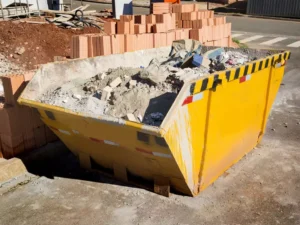
This type uses crushed, recycled concrete or other construction debris as the aggregate (the stone and sand portion) instead of newly mined materials. It’s a fantastic way to divert waste from Calgary landfills, such as the Shepard Landfill, and give old concrete a new life. The key benefit is a significant reduction in the demand for virgin aggregate, which lowers the overall environmental impact of your pour.
A common caveat is that the strength and consistency can vary slightly more than with virgin aggregate, depending on the source material. However, for many residential applications like walkways or sub-base, it’s an excellent and cost-effective choice. Always ensure your supplier tests and certifies their recycled aggregate for the intended use.
Fly Ash or Slag Cement
These are supplementary cementitious materials (SCMs) that replace a portion of the Portland cement in the mix. Fly ash is a by-product of coal-fired power generation, while slag comes from steel production. Using them prevents these materials from going to waste and reduces the cement content, which is the most carbon-intensive part of concrete. The key benefit is often improved long-term strength and durability, with better resistance to sulphate attack—a plus for Calgary’s sometimes challenging soil conditions.
The main caveat is that concrete with high volumes of fly ash or slag can have a slower initial set time. This needs to be planned for, especially during Calgary’s shorter construction season where early frost is a concern. Your contractor will need to account for this in the scheduling.
CarbonCure Technology
This is an innovative process where captured carbon dioxide is injected into the concrete during mixing. The CO2 reacts with the mix and becomes permanently mineralized, effectively trapped inside the finished product. The key benefit is a direct reduction in the carbon footprint of the concrete without compromising performance. It’s a technology being adopted by forward-thinking ready-mix companies.
The caveat is availability; not all local suppliers may offer it yet, and it may come at a slight premium. However, as demand grows in eco-conscious markets like Calgary’s inner-city developments, it’s becoming more accessible. It represents a direct way to build carbon reduction into your project.
To understand Canadian standards for concrete materials and durability, refer to Canadian Standards Association
Permeable Concrete
Also known as porous or pervious concrete, this mix is designed with interconnected voids that allow water to pass directly through it into the ground below. The key benefit for Calgary homeowners is stormwater management; it reduces runoff, helps recharge groundwater, and can mitigate flooding risks in areas with heavy clay soils. It’s ideal for driveways, patios, and walkways.
The primary caveat is that it requires specific sub-base preparation and regular maintenance to prevent the pores from clogging with sediment. In neighbourhoods with mature trees, like Mount Royal, it can be a great solution to prevent root zone waterlogging. It’s not typically recommended for high-traffic or heavy-load areas due to its slightly lower compressive strength.
Recycled Concrete
This refers to using large pieces of demolished concrete, often from old curbs, foundations, or slabs, as a base material or even as a decorative element. It’s different from recycled aggregate concrete in that the pieces are larger and sometimes used in their existing form. The key benefit is massive waste reduction and a unique, rustic aesthetic for landscaping features like retaining walls or garden borders.
The caveat is that it’s not a standardized structural material. Its use is generally limited to non-load-bearing applications. Sourcing can also be project-specific, as you need a supply of clean, demolished concrete. It’s a highly sustainable choice for the right application, giving old urban infrastructure a second life in your yard.
High-Performance Concrete
While not always “green” by default, high-performance concrete (HPC) is designed for extreme durability and longevity. By lasting significantly longer and requiring less maintenance or replacement, it becomes sustainable over its full life cycle. The key benefit is exceptional resistance to Calgary’s freeze-thaw cycles, de-icing salts, and abrasion, making it perfect for driveways and garage floors.
The caveat is that it often uses specialized admixtures and precise mix designs, which can increase the upfront cost. However, the long-term cost savings from avoided repairs and its extended service life make it an economically and environmentally sound investment. It’s about building it once and building it right.
Eco Cement (Ecological Microcement)
This is a specialized product often used for thin, seamless coatings over existing surfaces. It’s formulated with natural minerals and has very low VOC (volatile organic compound) emissions. The key benefit is its application as a renovation product; you can resurface an old, tired concrete patio or interior floor without demolition, saving immense amounts of material from the landfill.
The caveat is that it’s a finish, not a structural concrete. It’s applied in thin layers by skilled tradespeople. For Calgary homeowners looking to update an existing space sustainably—like an enclosed patio in Bridgeland—it’s a fantastic low-waste option that provides a modern, continuous look.
AshCrete
A specific type of concrete where a very high percentage (up to 97%) of the traditional Portland cement is replaced with fly ash. The key benefit is an extremely low carbon footprint and the productive use of a major industrial by-product. It can develop very high ultimate strength and excellent chemical resistance.
The caveat, similar to other high-volume fly ash mixes, is a very slow strength gain. This requires careful planning and extended curing times, which can be a challenge in Calgary’s variable climate. It’s a specialized product best used in applications where early strength is not critical, and the environmental benefit is the top priority.
Green Concrete
This is a broad, umbrella term that can refer to any concrete mix designed with environmental considerations at its core. It often involves a combination of the strategies above: using recycled aggregates, supplementary cementitious materials, and efficient production methods. The key benefit is a holistic approach to sustainability, considering the entire life cycle from material sourcing to end-of-life.
The caveat is that “green” is not a regulated term, so it’s important to ask your supplier for specifics. What makes their mix “green”? Request data on recycled content, carbon reduction, or product certifications. A reputable provider like OmegaReadyMix will be transparent about the composition and benefits of their sustainable mixes.
Choosing the right type starts with defining your project’s priorities: is it ultimate durability, maximum recycled content, or cutting-edge carbon tech?
Eco-Friendly Decorative Concrete Options
Sustainability doesn’t mean sacrificing style. Many eco-friendly concrete solutions offer beautiful finishes that enhance your home’s curb appeal and living spaces.
Stamped Concrete
Stamped concrete can be made with eco-friendly base mixes (like those containing fly ash or recycled aggregate) and then patterned and coloured to resemble stone, brick, or tile. The key benefit is achieving a high-end look for your patio or walkway without the resource intensity of quarrying and transporting natural stone. A stamped concrete patio in Altadore can mimic expensive flagstone at a fraction of the environmental cost.
The caveat is that the stamping process itself and the required sealants are standard; the “green” aspect comes from the concrete mix underneath. Ensure you discuss the base mix’s sustainable properties with your contractor to get the full environmental benefit.

Polished Concrete Floors
Polishing an existing concrete slab, whether new or old, is one of the most sustainable flooring options available. It involves grinding the surface to a smooth, glossy finish, often revealing attractive aggregate beneath. The key benefit is zero additional material use—you’re enhancing what’s already there. It’s incredibly durable, easy to clean, and provides excellent thermal mass for energy efficiency in your home.
The caveat is that it’s only an option for interior slabs or protected exterior areas. The process can be dusty, requiring proper containment during renovation. For a modern, low-maintenance floor in a Calgary infill or basement suite, polished concrete is a top-tier green choice.
Cast-in-Place Stamped Concrete
This is similar to standard stamped concrete but emphasizes the on-site, custom-poured nature. Using a local, eco-friendly ready-mix reduces transportation emissions compared to importing pre-made pavers from afar. The key benefit is design flexibility and local sourcing. You can create a unique pattern for your driveway in Edgemont that perfectly fits the space, all with a lower carbon footprint.
The caveat is that it requires skilled installation to ensure the pattern is consistent and the concrete cures properly. The environmental advantage is maximized when paired with a sustainable mix design from a Calgary-based plant.
Prefabricated or Precast Concrete
Precast concrete elements (like pavers, retaining wall blocks, or steps) are made in a controlled factory setting. This allows for highly efficient use of materials, precise recycling of waste, and the easy incorporation of recycled content. The key benefit is consistent quality, reduced on-site waste, and often faster installation.
The caveat is that the sustainability depends heavily on the manufacturer’s practices. Look for local precasters who use recycled aggregates and sustainable manufacturing processes. Transporting heavy precast elements over very long distances can offset some of the factory efficiency gains.
Recycled Concrete Products
This includes things like pavers or tiles made from 100% post-consumer recycled concrete. The key benefit is closing the material loop completely. Old concrete is crushed, sometimes mixed with other recycled materials, and formed into new, usable products. It’s the ultimate in circular economy thinking for hardscaping.
The caveat is aesthetic consistency; colours and textures may vary batch to batch, which can be part of the charm for a rustic pathway. Availability might be more limited than standard products, but it’s worth seeking out for a truly distinctive and sustainable feature.
Your decorative finish is the visible part of a sustainable system—choose both for beauty and performance.
Benefits of Eco-Friendly Concrete
Why go green with your concrete project? The advantages extend beyond feeling good about your environmental choice to deliver tangible benefits for your home and wallet.
Environmental Benefits
The most direct benefit is the reduced carbon footprint. By using industrial by-products like fly ash or slag, you’re preventing them from becoming landfill waste and reducing the need for cement production. Technologies like CarbonCure actively remove CO2 from the atmosphere. Using recycled aggregate conserves natural gravel resources and reduces the energy and emissions from mining and transportation.
For Calgary, a city focused on climate resilience, choosing eco-concrete is a practical step toward municipal sustainability goals. It means less strain on local landfills and a smaller overall environmental impact for your renovation or new build. Every driveway or foundation adds up, making a collective difference.
Durability and Longevity
Many eco-friendly concrete mixes, particularly those with fly ash or slag, develop stronger, denser, and more durable concrete over time. They are often more resistant to chemical attacks from de-icing salts (a must for Calgary winters) and sulphate ions present in some local soils. This translates to fewer cracks, less spalling, and a longer service life for your investment.
A longer-lasting driveway or patio means you won’t need to replace it as soon, saving resources, money, and hassle down the line. This life-cycle durability is a core principle of sustainable building: build well once, instead of adequately multiple times.
Energy Efficiency
Concrete itself has high thermal mass, meaning it absorbs and stores heat energy. When used in floors or walls inside your home, this can help regulate indoor temperatures, reducing the load on your heating and cooling systems. Polished concrete floors are exceptional for this, passively contributing to lower energy bills.
Furthermore, the production of some eco-concretes, like those using recycled materials, often requires less energy than producing virgin materials from scratch. This embodied energy savings is another layer of environmental benefit that isn’t always visible but is critically important.

Water Conservation
Permeable concrete is the star here for water benefits. By allowing rainwater to infiltrate the ground on your property, it reduces stormwater runoff. This lessens the burden on Calgary’s municipal storm sewer systems during heavy rains or rapid spring snowmelt, helping to prevent localized flooding.
It also allows water to replenish the local aquifer and provides moisture directly to nearby tree roots and landscaping. In communities with strict stormwater management bylaws, using permeable surfaces can sometimes help meet regulatory requirements for new developments or major renovations.
Cost Savings
While some advanced eco-options may have a slightly higher upfront material cost, the long-term savings are significant. The enhanced durability means lower maintenance and repair costs over decades. Energy efficiency gains can reduce utility bills. In some cases, using recycled aggregate can be cost-competitive with or even cheaper than virgin aggregate, providing immediate savings.
There’s also potential for future-proofing your home’s value. As energy codes tighten and buyer preference for sustainable features grows, a home built with demonstrably green materials may have a marketability edge. It’s an investment in your property’s resilience and appeal.
The benefits stack up: a tougher product for our climate, lower long-term costs, and a lighter footprint on our city.
Applications for Calgary Homes
So where does all this fit into your specific project? Here’s how eco-friendly concrete can be used throughout a typical Calgary property.
Driveways and Patios
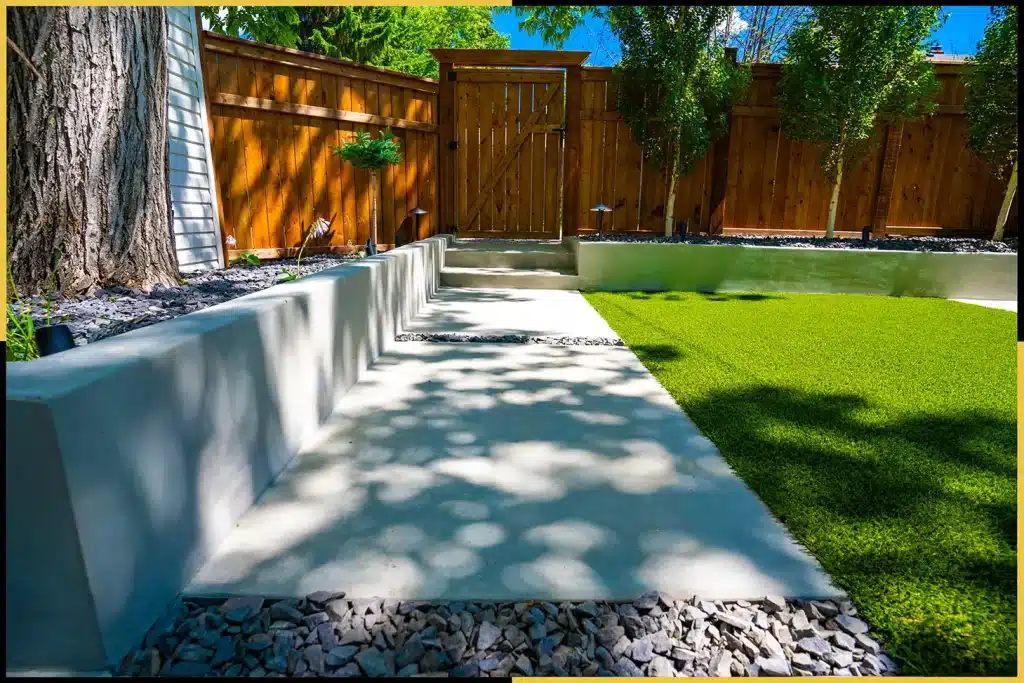
This is the most common application. For driveways, consider a high-performance mix with fly ash for salt resistance, or permeable concrete to manage runoff from your paved surface. For patios, stamped concrete made with recycled aggregate offers beauty and sustainability. Both applications face the full brunt of Calgary weather, making durability the top priority alongside environmental specs.
Think about the entire system: a permeable driveway in a community like Silver Springs can handle snowmelt effectively, while a stamped eco-concrete patio creates a durable, attractive outdoor living space. These surfaces are highly visible, so they’re a great place to make a sustainable statement that also performs.
Foundations and Walls
The foundation is the unseen workhorse of your home. Using concrete with supplementary cementitious materials like slag can create a denser, more water-resistant, and chemically stable foundation. This is crucial for protecting your home from moisture and soil pressures, especially in areas with high water tables or reactive clay.
For basement walls or above-grade walls in modern builds, insulated concrete forms (ICFs) paired with an eco-friendly concrete mix create an incredibly energy-efficient, durable, and quiet shell. This application leverages the thermal mass and strength of concrete for long-term home performance.
Flooring Solutions
Inside your home, polished concrete slabs are the premier eco-friendly flooring. If you’re building a new slab-on-grade home, garage, or basement suite, specifying a green concrete mix for the slab means your finished floor is sustainable from the ground up. The polish reveals the aggregate, requiring no additional finish materials like tile, wood, or carpet.
For renovations, microcement (eco-cement) can be applied over existing, sound concrete floors to create a fresh, seamless surface without tear-out. This is ideal for updating a dated basement or main floor with a modern, low-VOC finish that prevents tons of old material from hitting the landfill.
From the ground your home sits on to the floors you walk on, sustainable concrete has a role to play.
Pros and Cons of Eco-Friendly Concrete Options
Let’s weigh the overall advantages and considerations to help you decide.
Pros:
- Reduced Environmental Impact: Lower carbon emissions, less waste to landfill, and conservation of natural resources.
- Enhanced Durability: Often more resistant to Calgary’s specific challenges like freeze-thaw cycles and de-icing salts.
- Long-Term Value: Lower lifecycle costs due to less maintenance and longer service life.
- Performance Benefits: Some mixes offer better workability, finish, or ultimate strength.
- Future-Proofing: Aligns with growing sustainability standards and consumer preferences.
Cons & Considerations:
- Availability & Cost: Some specialized options may not be offered by all suppliers or may carry a price premium.
- Curing Time: Mixes with high volumes of SCMs can set more slowly, affecting project timelines in our short season.
- Knowledge Gap: Not all contractors are equally experienced with every type of eco-concrete; you need an informed partner.
- Variable Standards: The term “green” isn’t regulated, so you must verify claims about recycled content or carbon savings.
The pros heavily outweigh the cons for most Calgary homeowners, especially when working with a knowledgeable supplier. The key is matching the right type of eco-concrete to your specific project requirements and timeline. The minor planning considerations are far outweighed by the long-term benefits to your property and the local environment.
For most projects, the durability and environmental wins make eco-friendly concrete a smart default choice, not a compromise.
Why Choose Eco-Friendly Concrete for Your Calgary Home
Calgary’s environment demands tough materials, and our community values forward-thinking choices. Eco-friendly concrete meets both needs head-on. It gives you a driveway that withstands the winter salt on Sarcee Trail, a patio that handles the summer sun in Inglewood, and the satisfaction of knowing your build used resources wisely. The technology is proven, the benefits are real, and the options are available right here.
Making the switch isn’t about sacrificing performance for principles; it’s about getting better performance because of better principles. You invest in a material that’s designed for longevity in our specific climate while reducing its impact on the planet. It’s a practical decision for your home’s value and a responsible one for our shared city.
Ready to explore the right sustainable mix for your driveway, patio, or foundation? The team at OmegaReadyMix has the local expertise to guide you. We can help you select from our range of eco-friendly concrete options for Calgary homeowners, ensuring your project is built to last and built with care. Get in touch for a quote and let’s pour a better foundation for your home.