
Whether you’re planning a driveway replacement in McKenzie Towne or a commercial foundation pour in the Beltline, our winters demand a specific approach to concrete. Doing it wrong means waking up to cracks, spalling, and expensive repairs come spring. That’s the reality of Calgary’s climate.
This guide walks you through what you actually need to know to get it right—from site prep to long-term protection. By following these cold weather concrete practices, you’ll ensure your Calgary project lasts decades, not just seasons. Let’s dive in.
Understanding Cold Weather Concrete Challenges
The core challenge isn’t just the cold itself, but how it interacts with concrete during its most vulnerable phase. Pouring in Edmonton’s dry chill or Vancouver’s damp winters is different. Our conditions are uniquely tough on the material from the moment it’s poured.
Understanding these forces isn’t just academic. It’s the key to choosing the right methods and materials to protect your investment. We’ll break down the two biggest culprits you need to guard against.
Impact of Freeze-Thaw Cycles
Calgary’s hallmark freeze-thaw cycle—with temperatures swinging above and below zero multiple times a day—is brutal on concrete. Water trapped inside the concrete expands as it freezes, creating immense internal pressure.
This repeated expansion and contraction, especially during Chinooks in neighbourhoods like Bridgeland, can lead to cracking and surface deterioration called spalling. Over a single season, this process can turn a new pour into a crumbling mess.
Risks of Freezing and Slower Curing
If fresh concrete freezes before it gains sufficient strength, the water inside turns to ice, permanently disrupting the chemical bonding process. This weakens the concrete permanently, reducing its compressive strength and durability.
Even if it doesn’t freeze, curing slows dramatically in cold temperatures. Concrete needs warmth to develop its strength properly. A slow cure means it stays weak and vulnerable to damage from loads or weather for much longer.
For official cold weather concreting standards in Canada, refer to Canadian Standards Association, which outlines temperature requirements and curing guidelines.
Bottom line: Pouring in Calgary winter isn’t about fighting one cold day, but managing a dynamic and punishing cycle.
Site Preparation for Cold Weather Pouring
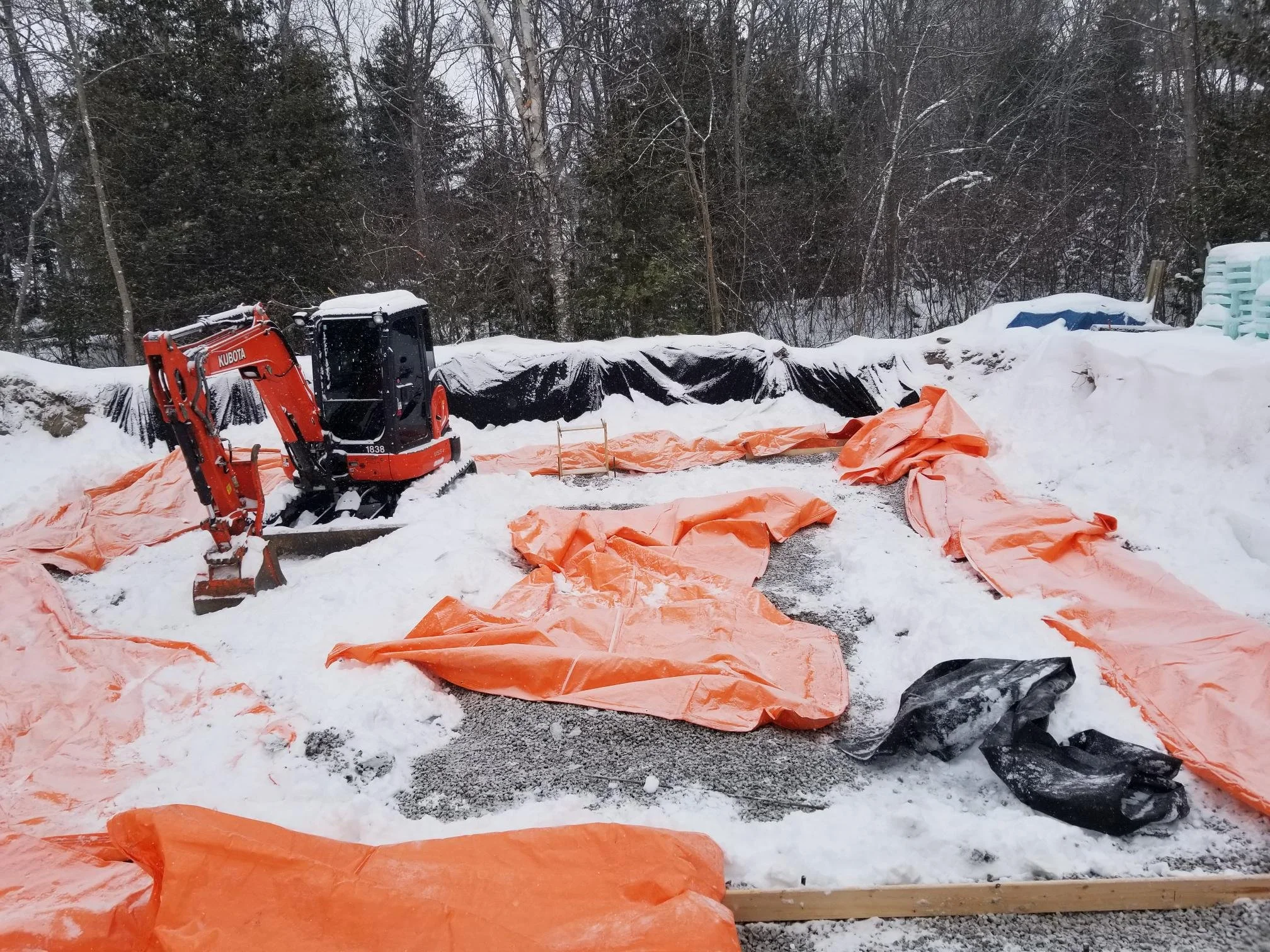
The foundation of any successful pour is the site itself. In summer, this might be straightforward. In winter, especially on Calgary’s clay-heavy soils in areas like Tuscany, it becomes a critical pre-game. A frozen or unprepared site will doom the concrete no matter the mix.
Proper prep ensures the concrete has a stable, warm, and dry bed to start its life. Skipping these steps is the most common cause of winter concrete failure for DIYers and rushed contractors alike.
Thawing Frozen Ground
Never pour on frozen ground. The ground will thaw unevenly beneath the slab, leading to settlement and cracking. For larger projects, contractors use ground heaters or heated enclosures to thaw the area thoroughly.
For a homeowner’s patio project, planning ahead is key. If possible, cover the area with insulating blankets or tarps days before the pour to allow natural thawing if the frost isn’t too deep.
Removing Snow, Ice, and Frost
The entire pour area must be completely clear of snow, ice, and frost. This includes the sub-grade and any formwork. Any melting snow or ice will introduce excess water into the concrete mix or base, weakening it.
Use brooms, blowers, and if necessary, safe application of calcium chloride (not salt!) to melt thin layers of ice. Ensure the area is dry before the concrete truck arrives.
Ensuring Proper Slope for Drainage
Water is concrete’s enemy in winter. A proper slope away from structures (like your house in Chestermere) is even more critical in cold weather to prevent water pooling and freezing against the slab edge.
Plan for at least a 2% slope. This simple step prevents water from seeping into the concrete and freezing, which is a primary cause of edge spalling and deterioration.
Protecting Granular Bases from Freezing
The granular base (the gravel layer) must also be protected from freezing. A frozen base acts as a cold sink, drawing heat out of the concrete from below and inhibiting curing.
Cover the prepared base with insulating blankets or a layer of sand until the pour day. For pros like OmegaReadyMix, this is a standard part of the pre-pour checklist.
Sound familiar? A perfect mix poured on a frozen site is a wasted mix.
Choosing the Right Concrete Mix

The concrete itself needs to be built for battle. A standard summer mix will fail. The right winter mix includes specific design elements to combat low temperatures and freeze-thaw cycles.
It’s not just about adding an accelerator; it’s a holistic design with a lower water content, entrained air, and specified strength. This is where working with a knowledgeable local supplier becomes non-negotiable.
Low Water-to-Cement Ratio
A lower water-to-cement ratio produces a denser, stronger, and less permeable concrete. Less water means less free water available to freeze inside the slab, reducing the risk of freeze-thaw damage.
This mix design requires precise batching. It’s a standard practice for winter mixes supplied by professional companies serving Calgary’s construction needs.
Air-Entrained Concrete
Air-entrained concrete contains microscopic, evenly distributed air bubbles. These tiny bubbles act as relief valves, providing space for water to expand into when it freezes, preventing internal pressure buildup.
This is absolutely essential for all exterior concrete in Calgary. It’s a non-negotiable specification for any project facing our winter weather.
Winter Mix with Accelerators and Additives
Accelerators, like calcium chloride or non-chloride types, are added to speed up the initial setting time, helping the concrete gain strength faster before temperatures drop. This is crucial for afternoon pours that will face nighttime freezing.
Other additives might include superplasticizers to improve workability with the low water content, ensuring the concrete can still be placed and finished properly.
Appropriate Compressive Strength
The mix should be designed for a higher early strength. Typically, a winter mix will target a minimum compressive strength (e.g., 5000 psi) to ensure it can resist early freezing and load stresses.
Discuss the required strength with your engineer or supplier based on your specific project. A foundation in the frost-prone ground of Airdrie needs a different specification than a sidewalk.
What separates a great pour from a failed one? It’s in the mix design, not just the weather.
Cold Weather Pouring Best Practices
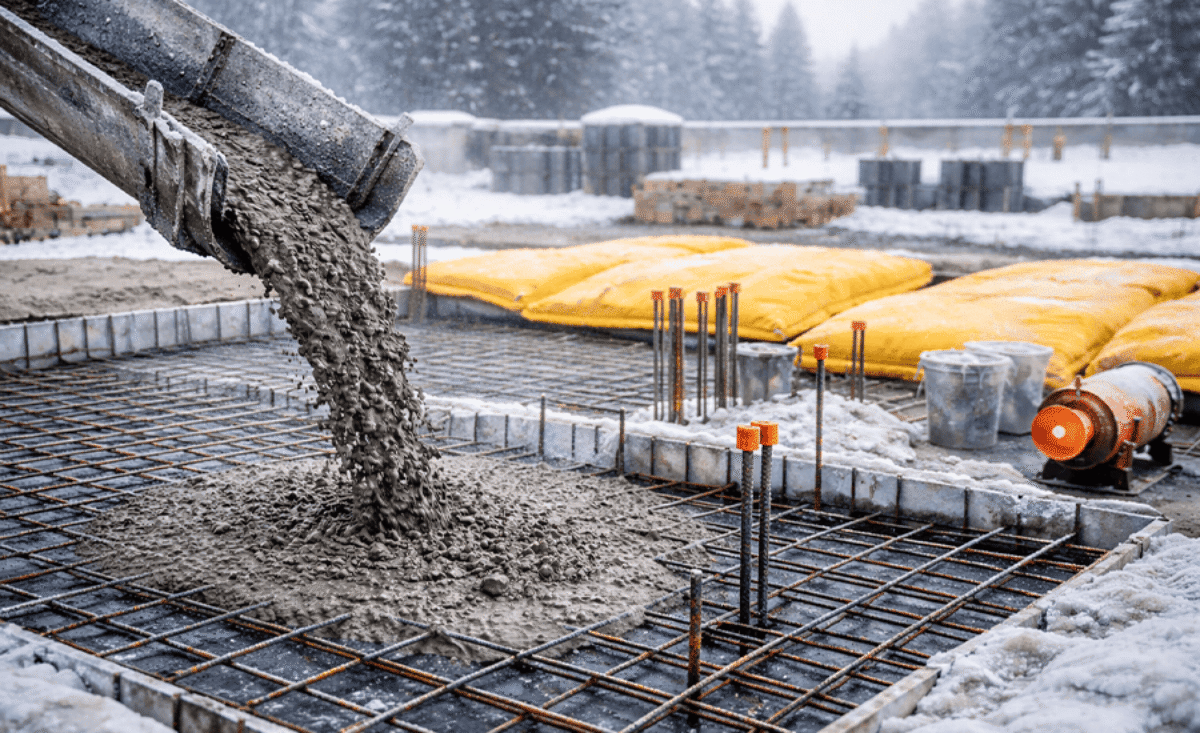
Execution is everything. Even with perfect prep and mix, poor placement practices can ruin the project. Timing, protection, and technique need to be aligned with the cold conditions.
This stage is about controlling the environment and the material from the truck to the finished surface. It’s a coordinated effort that relies heavily on forecasting and readiness.
Monitoring Weather Forecasts
Never pour based on today’s weather alone. You need a reliable forecast for the next 3-5 days, especially the nightly lows. A sunny day with a plunge to -15°C at night is a dangerous scenario.
Plan pours for periods with stable, above-freezing temperatures, or ensure you have the equipment and plan to maintain those temperatures artificially through the critical curing period.
Avoiding Late-Season Placements
Be wary of pours scheduled very late in the fall or very early in the spring. These periods often have the most unpredictable and severe freeze-thaw cycles. The ground may also be partially frozen.
If you must pour during these borderline times, your protection plans (insulation, heaters) need to be even more robust and ready for sudden temperature drops.
Proper Formwork Preparation
Formwork must be clean, dry, and free of ice. Wet or frozen forms can stick to the concrete, causing surface defects when removed. They can also transfer cold to the edges of the slab.
For metal forms, applying a thin coating of non-freezing oil can prevent sticking and rust, which is a common issue in our humid winter conditions.
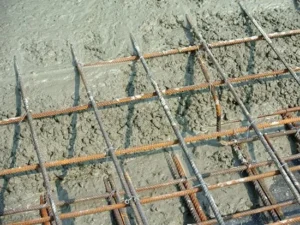
Adding Rebar for Crack Control
In winter, the risk of thermal contraction cracking is higher. Properly placed and secured reinforcement (rebar or wire mesh) helps control and distribute these stresses, preventing random cracking.
Ensure the rebar is clean and free of ice or frost before placement. Frozen rebar will not bond properly with the concrete, compromising its structural role.
Bottom line: The pour itself is a race against the cold. Every step must be deliberate and protective.
Protecting and Curing Concrete
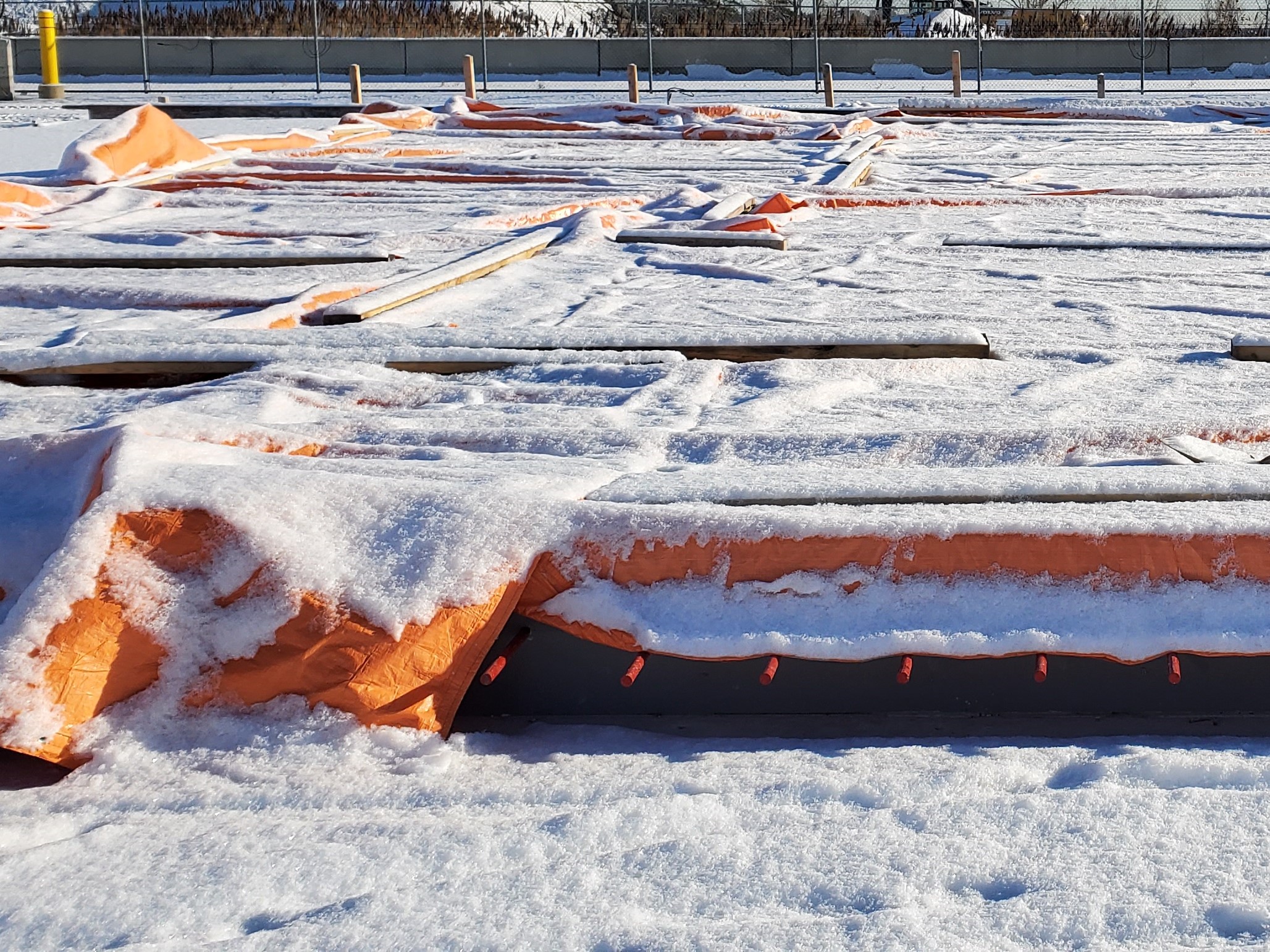
Once the concrete is placed, the most critical phase begins: curing. In warm weather, curing happens naturally. In Calgary winter, it’s a protected process you must actively manage. This phase determines the final strength and durability.
Curing isn’t just about time; it’s about maintaining specific temperature conditions for a specific duration. Let’s look at how to create that artificial “summer” for your slab.
Maintaining Minimum Temperatures
The concrete must be kept above a minimum temperature (typically 5°C to 10°C) for the first 72 hours, and above freezing for several days after. This is often achieved with insulated blankets, heated enclosures, or even temporary heaters.
Temperature monitoring with probes is essential for professional projects. For a driveway, simple insulation and monitoring of ambient temperature is key.
Using Insulated Concrete Blankets
Insulated concrete blankets are the most common tool for this job. They trap the heat generated by the curing reaction within the slab, creating a warm microclimate. They also protect from wind and precipitation.
These blankets should be placed immediately after finishing and left undisturbed for the required curing period. Removing them prematurely to “check” the concrete is a common mistake.
Curing Duration and Methods
Curing duration extends in cold weather. While 7 days might suffice in summer, winter concrete may need protected curing for 10-14 days, depending on the mix and temperatures.
Methods include wet curing (keeping the surface moist under insulation) or using curing compounds that seal in moisture. The goal is to prevent the concrete from drying out before it’s strong.
Avoiding De-Icing Chemicals
Never use chloride-based de-icing salts (like rock salt) on new concrete for the first winter, and use them sparingly thereafter. Chlorides penetrate and can corrode reinforcement and deteriorate the surface.
Use sand for traction or safer, chloride-free ice melts if necessary. This is a critical long-term maintenance practice for any Calgary driveway or walkway.
Think of curing as incubating the concrete. You’re providing the warmth it needs to grow strong.
Safety and Finishing Guidelines
Cold weather changes the finishing process and introduces unique safety hazards. Working with cold, stiff concrete and on potentially slippery sites requires adjusted techniques and heightened awareness.
Ignoring these guidelines can lead to poor finish quality, unsafe working conditions, and even long-term damage to the concrete surface.
Finishing Without Reducing Air Voids
Over-finishing or using vibratory tools excessively on air-entrained concrete can drive out the crucial air bubbles, destroying its freeze-thaw resistance. Finish the surface efficiently but don’t overwork it.
Timing is also compressed. The concrete may set faster due to accelerators, so the finishing crew needs to be ready and efficient to hit the correct window.
On-Site Safety Protocols
Ice, snow, and wet surfaces create slip hazards. Ensure the site is kept clear during work. Crews should wear appropriate insulated, waterproof gear and use caution around equipment.
Heaters or temporary enclosures used for thawing or curing must be operated safely, with proper ventilation and fire safety protocols in place, especially on residential sites.
Winter Maintenance for Calgary Concrete
Your responsibility doesn’t end when the curing blankets come off. Proper winter maintenance protects your investment year after year. Calgary’s climate is relentless, so your defence must be consistent.
Two simple, annual practices can dramatically extend the life of your concrete surfaces, whether it’s a sprawling Deerfoot Trail commercial lot or a cozy backyard patio.
Sealing Driveways and Surfaces
Applying a high-quality penetrating sealant every 2-3 years is vital. This sealant reduces water absorption, preventing moisture from entering the concrete and freezing internally. It also protects against staining.
The best time to seal is in the fall, before the snow arrives. Ensure the concrete is clean and dry before application for the sealant to penetrate properly.
Keeping Concrete Clean
Regularly clear snow and debris. Avoid using metal shovels or sharp tools that can scrape and damage the surface. Plastic shovels or snow blowers are safer options.
Prompt cleaning prevents corrosive materials (like leaves or road grime) from sitting on the surface and degrading it over time. A clean surface is a durable surface.
CSA Standards and Recommendations
In Canada, the CSA (Canadian Standards Association) provides the benchmark for cold weather concreting in CSA A23.1. These aren’t just guidelines; they’re the engineering foundation for safe, durable winter construction.
Adhering to these standards, or exceeding them, is what separates a professional pour from an amateur one. They provide clear, measurable targets for temperature and protection.
Minimum Curing Temperatures and Times
CSA standards specify minimum temperature requirements for concrete during placement and curing. For example, concrete must typically be placed at an ambient temperature above 5°C, and maintained above 10°C for the first 3 days.
They also define the duration of protection based on the concrete strength achieved. Following these standards ensures the concrete develops the structural properties it was designed for.
Working with a pro like OmegaReadyMix means your project is built to these standards from the start.
FAQs: Cold Weather Concrete in Calgary
Let’s tackle some of the most common questions Calgary homeowners and contractors have about winter concrete.
What’s the absolute coldest temperature I can pour concrete in Calgary?
You shouldn’t pour when the ambient temperature is below 5°C (41°F) without a comprehensive heated enclosure plan. Even at that temperature, you must guarantee you can maintain the concrete above 10°C for the first 72 hours.
Many professional crews won’t schedule pours if the forecast shows sustained temperatures below -5°C, as the cost and risk of protection become very high. Planning around warmer spells is key.
Can I use a standard concrete mix if I just add an accelerator?
No, that’s a common and costly mistake. An accelerator only speeds up setting; it doesn’t address the fundamental need for a low water-to-cement ratio, air entrainment, and higher design strength.
A standard mix with an accelerator is still permeable and vulnerable to freeze-thaw damage. You need a holistically designed winter mix from a supplier like OmegaReadyMix that serves Calgary’s specific conditions.
How long does winter concrete need to be protected with blankets?
Typically, insulated blankets should remain in place for at least 7 to 10 days, depending on the mix design and actual weather conditions. For high-strength or critical structural elements, protection might extend to 14 days.
The blanket shouldn’t be removed until the concrete has reached a sufficient strength (often measured by maturity testing) to withstand the exposed environment.
Is it worth pouring concrete in Calgary winter, or should I just wait for spring?
It can be worth it with proper planning and execution, especially for projects that need to proceed for timeline reasons. The costs are higher due to protection measures, but a correctly done winter pour will be just as durable as a summer one.
If your schedule allows, waiting for stable spring temperatures above 10°C certainly simplifies the process and reduces cost. The decision hinges on your project timeline versus your budget for winter protection.
Conclusion
Pouring concrete in a Calgary winter is a disciplined science, not a gamble. From thawing the clay ground in Ogden to choosing an air-entrained mix for your Chestermere driveway, each step builds a defence against our climate.
The practices outlined here—proper site prep, a specialized mix, controlled placement, and protected curing—are what ensure your project doesn’t just survive the winter, but thrives for decades. Ignoring any one of them invites failure.
Now that you know what to look for, partnering with a local expert who lives by these standards is your best next step. OmegaReadyMix has been providing Calgary with concrete solutions built for our winters for years. Get a quote for your project and ensure it’s done right, from the ground up.